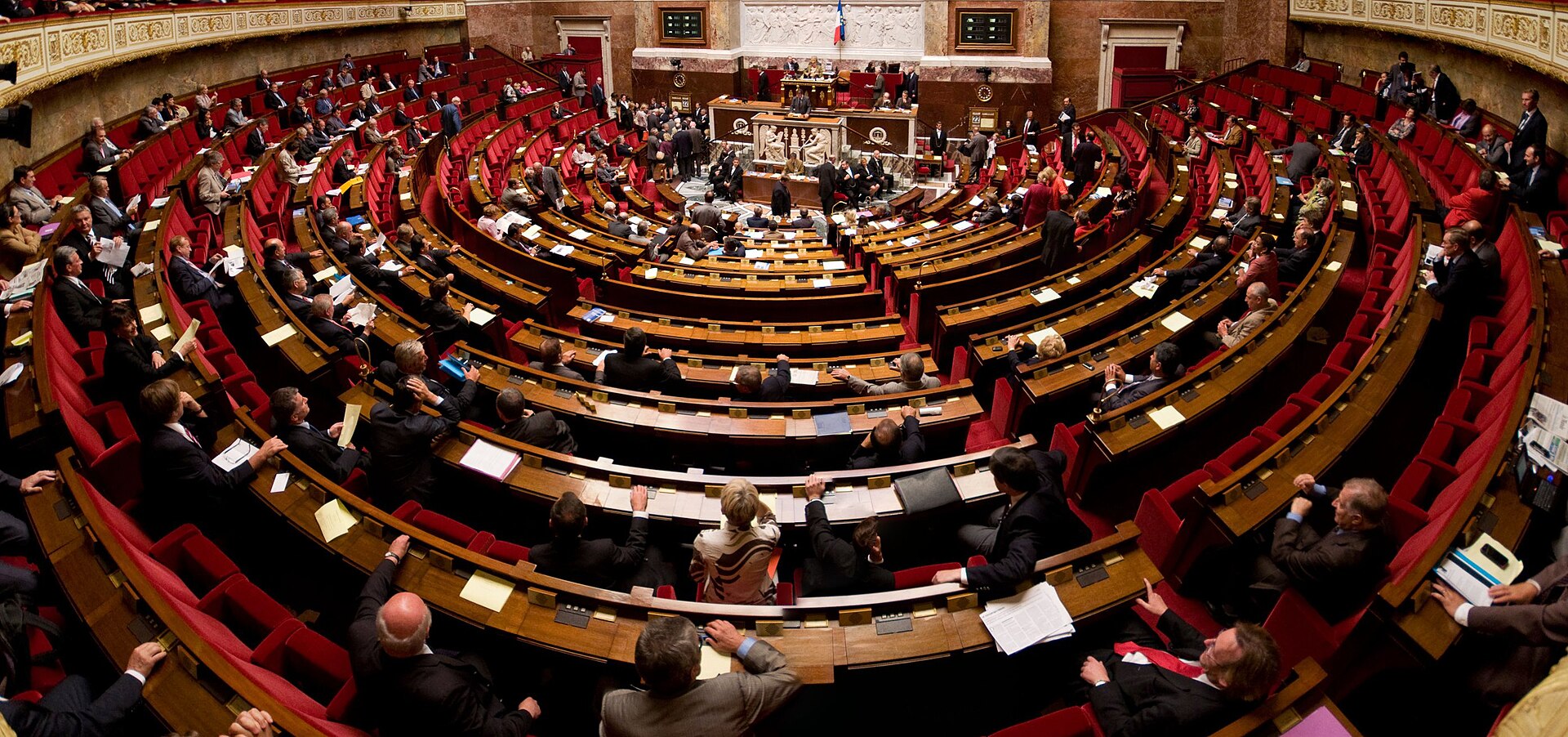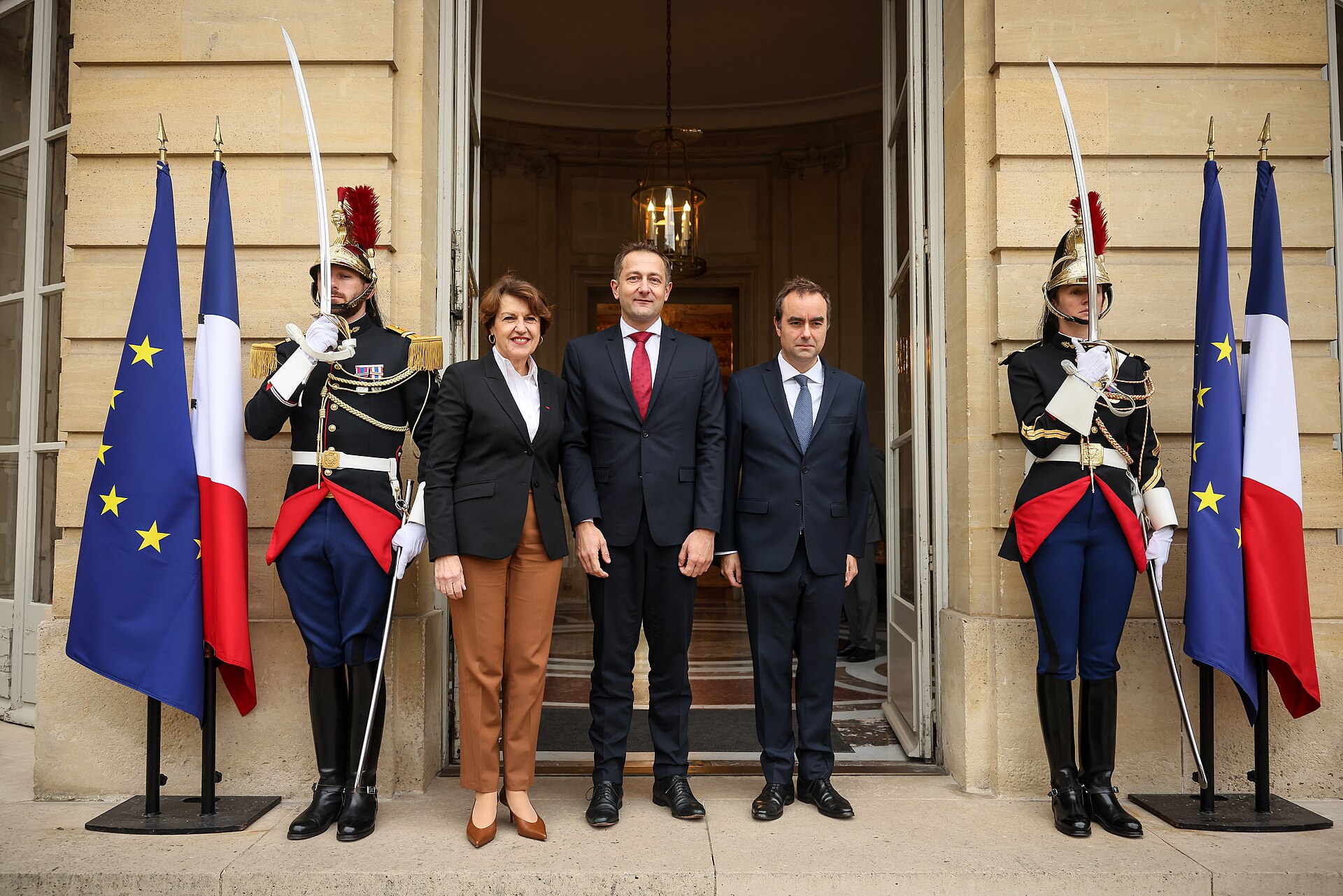
A months-long relief was expressed on Friday, April 24, 2026, in the corridors of the Berlaymont building. Following an accelerated procedure initiated on Wednesday evening, the 27 member states gave their green light to a €90 billion ($~179.8 billion) loan intended to cover Ukraine's economic and military needs for the next two years. The unblocking ends months of political paralysis caused by the Hungarian veto and comes as Kyiv approaches the fourth anniversary of the full-scale Russian invasion, facing an increasingly strained budgetary situation.
Hungary's Lock Released
The trigger was a technical decision: Kyiv agreed on Tuesday, April 22, 2026, to reopen the Ukrainian section of the Druzhba pipeline, halted since late January, which transports Russian crude oil to Hungary and Slovakia. For Budapest and Bratislava, two capitals highly dependent on this energy artery, this resumption ended an economic blockade deemed unbearable. In return, Viktor Orbán withdrew his veto on the European loan, which he had blocked until then in the name of "defending Hungarian interests." Slovak Prime Minister Robert Fico followed suit without difficulty. European Budget Commissioner Piotr Serafin hailed "a clear-headed compromise that shows Europe can find paths to agreement even when everything seems blocked."
An Unprecedented Financial Mechanism
The €90 billion loan is based on two components. The first, amounting to approximately €45 billion, will be financed by borrowings directly contracted by the European Commission on the markets and guaranteed by the EU budget—a mechanism already proven for the NextGenerationEU recovery plan. The second, equivalent in amount, will take the form of a "reparation loan" backed by the roughly €200 billion in immobilized Russian sovereign assets within the Union since 2022, primarily held by Euroclear in Belgium. Brussels has not confiscated the capital but is using the financial flows generated by these assets to cover the debt service. This legal innovation was immediately denounced by Moscow as "outright theft" by Sergei Lavrov.
New Sanctions Against Moscow
The 27 member states also adopted a 20th sanctions package, which had also been frozen for weeks by the Hungarian veto. Key measures include blacklisting 117 new entities and individuals, targeting 47 additional ships from the Russian "ghost fleet" used to circumvent the G7 oil price cap, reinforcing restrictions on exports of dual-use components (drones, microprocessors, machine tools), and establishing an accelerated mechanism to eventually ban all imports of Russian liquefied natural gas in 2028. Brussels also announced an additional €6 billion envelope to support Ukrainian energy infrastructure, which was severely hit throughout the winter.
Kyiv Breathes Easier, But Remains Under Pressure
In Kyiv, President Volodymyr Zelensky hailed a "historic" decision that "ensures Ukraine's economic survival in 2026 and 2027." The Ukrainian Ministry of Finance had estimated the financing deficit for 2026 alone at around €38 billion. The European loan, combined with contributions from the IMF, the G7, and U.S. bilateral commitments—currently frozen in Congress—covers immediate needs. However, concern remains: Russia has relaunched a war of attrition in Donbas and is now directly threatening the cities of Pokrovsk and Kostiantynivka. Without a massive new military effort, the European money might only provide a reprieve, not a solution.
A Political Victory for von der Leyen
The agreement is, above all, a personal victory for Ursula von der Leyen, whose strategy of linking energy concessions with political unblocking has finally paid off. The Commission President, celebrating her 18th Ukraine-focused meeting since the start of her second term on Friday, recalled that "Europe has kept its word." The challenge now is to transform this diplomatic success into economic effect: the first disbursements are expected before the end of June 2026, requiring swift operational implementation by the European Investment Bank and the Luxembourg Treasury.
Editorial Opinion
The agreement of April 24, 2026, is more than a financial boost; it is proof that, as a bloc of 27, the European Union can still avoid self-paralysis when the stakes are existential. But let us not be mistaken about the nature of the compromise: Brussels paid for a decision that should have stemmed from simple European solidarity with Russian oil. Budapest's recurrent veto now acts as a permanent political tax on Ukraine's defense—a democratic anomaly that will sooner or later have to be resolved by revising the unanimity rules. Fundamentally, the mechanism linked to Russian assets is a major legal innovation, paving the way for a precedent: Moscow will pay the bill for its own aggression. This is morally just and strategically astute, but it also makes Europe a direct stakeholder in a war whose timeline and end conditions it does not dictate. The real question now is no longer "how to finance Kyiv" but "how far is Europe prepared to go alone if Washington were to disengage tomorrow?"
Key Takeaways
- €90 billion ($179.8 billion) European loan approved on April 24, 2026, for 2026-2027.
- Hungarian veto lifted after the reopening of the Druzhba pipeline (Hungary, Slovakia).
- Mechanism backed by ~€200 billion in Russian assets immobilized in the EU.
- 20th sanctions package: 117 new entities, 47 "ghost fleet" ships.
- First disbursements expected before end of June 2026.