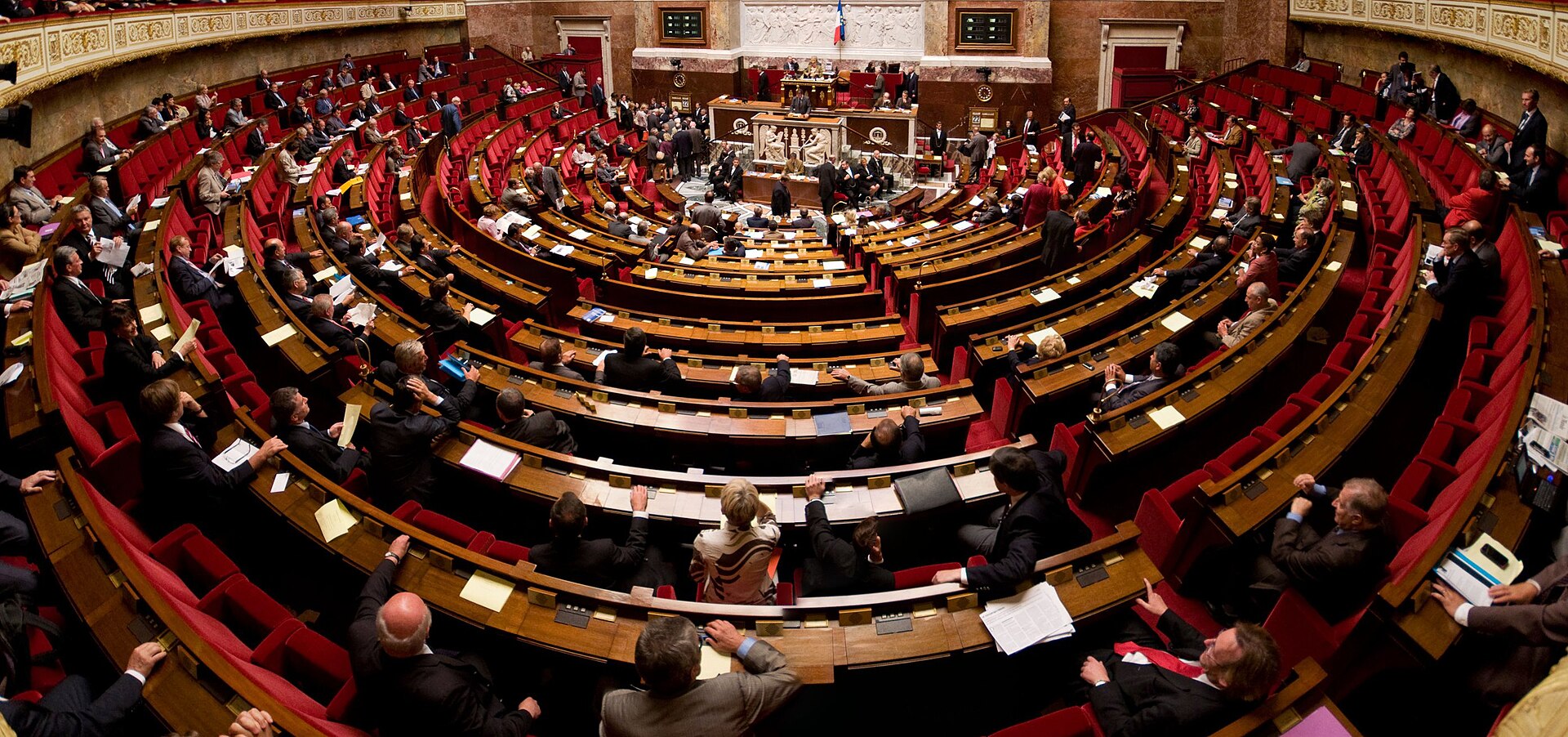
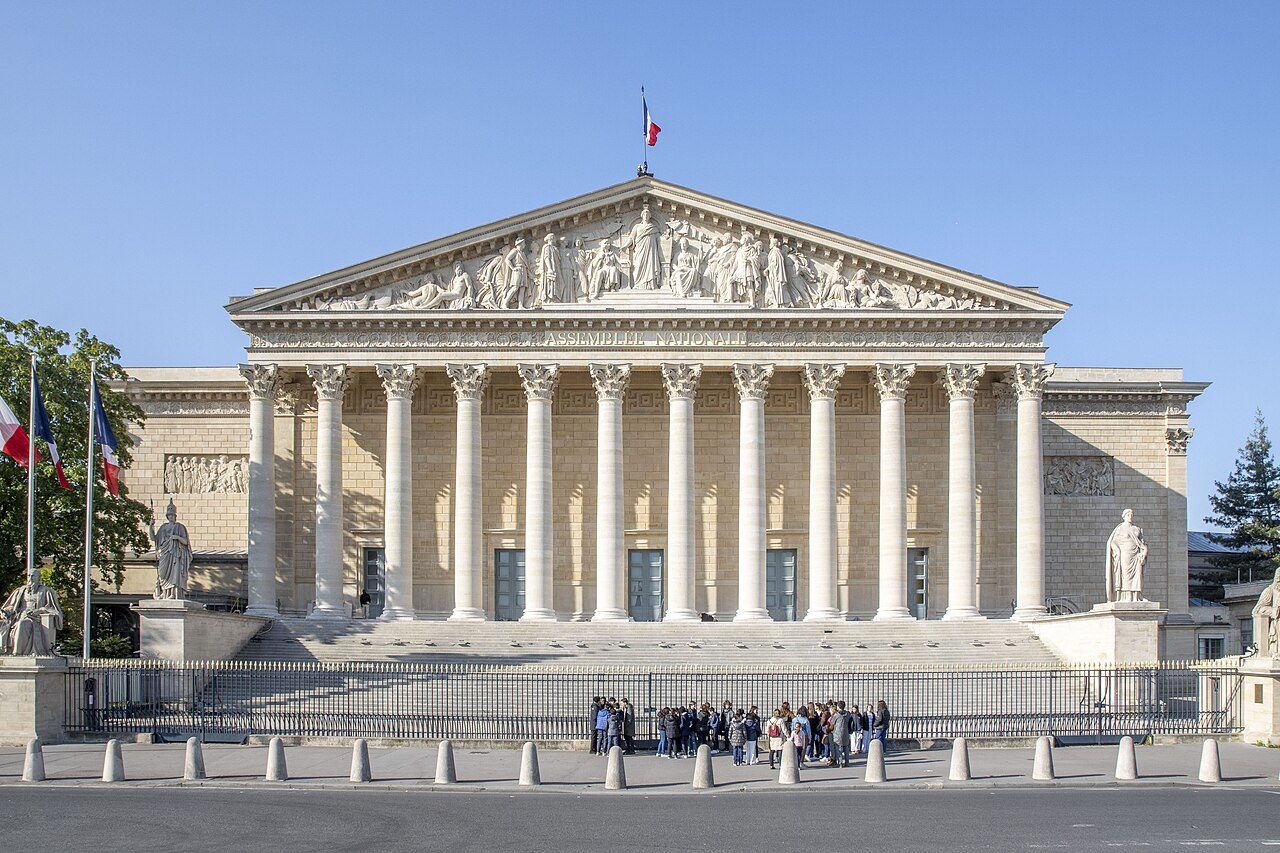
The Essentials — Parliament definitively approved six legislative texts on Tuesday, July 21, 2026, including several emblematic projects, in an end-of-session described as fruitful but more strained than ever for the government.
A Session Concluding with a Harvest of Texts
On the eve of the parliamentary session's closure, debates accelerated in the National Assembly and the Senate. Six texts were definitively adopted in a single day, a pace that reflects both the government's desire to finalize its legislative agenda before the summer recess and the persistent tensions between political groups.
This end of session is presented as a success for the executive in terms of the number of texts voted, but it occurs in a political climate judged to be more strained than during previous sessions.
A Budgetary Context Under Scrutiny
This legislative news is set against a backdrop of increased vigilance regarding public finances. The public finance alert committee, which met on July 7, 2026, reviewed the execution of the 2026 budget and identified risks concerning expenditures, with updated macroeconomic forecasts and their implications for public accounts.
Why This End-of-Session Acceleration?
Every year, the end of the parliamentary session, generally set for late July before the summer recess, concentrates the definitive votes on texts still under discussion between the two chambers. Disagreements between the National Assembly and the Senate, or between the majority and the opposition, can delay the adoption of certain projects until the last useful days.
Frequently Asked Questions (FAQ)
How many texts were adopted by Parliament on July 21, 2026? Six legislative texts were definitively approved, including several emblematic bills.
Why is the end of the parliamentary session often tense? It concentrates the last votes before the summer recess, which increases pressure on negotiations between political groups and between the two parliamentary chambers.
What is the state of French public finances in 2026? The public finance alert committee, which met on July 7, 2026, identified several risks regarding expenditures and updated the country's macroeconomic forecasts.
Editorial Opinion
Beyond the self-congratulatory tone displayed by the government regarding the number of texts voted, the OrChair editorial team notes that the political climate described as "more strained than ever" deserves close monitoring upon the return from recess. The interplay between the busy legislative agenda and the budgetary vigilance announced in early July suggests lively debates from September, particularly concerning public spending.
*