In Brief — The 2027 Finance Bill will be presented on September 30 in the Council of Ministers. Known orientations: no tax increases, a brake on public spending, possible under-indexing of high pensions. The context remains constrained by a debt close to 3,350 billion euros and a fragmented Parliament.
The schedule is now set: the 2027 Finance Bill will be presented on September 30 in the Council of Ministers, before being examined by a Parliament still lacking a clear majority. Sébastien Lecornu has unveiled the initial directions: a budget described as "reversible," with no announced tax increases, a slowdown in public spending, and possible under-indexing of the highest retirement pensions.
A Summer of Standoffs Between Matignon and Ministries
These orientations come after a turbulent summer on the budgetary front. As early as mid-April, budget conferences had reported demands deemed "out of touch" by Matignon: 30 billion euros in additional financing needs, including 24 billion in new spending from various ministries. This would create, according to government calculations, more than 23,000 jobs starting next year and nearly 40,000 over the 2027-2029 period. In a framing letter sent to his ministers, revealed by the press this summer, the Prime Minister decisively stated: "if everything is a priority, nothing is."
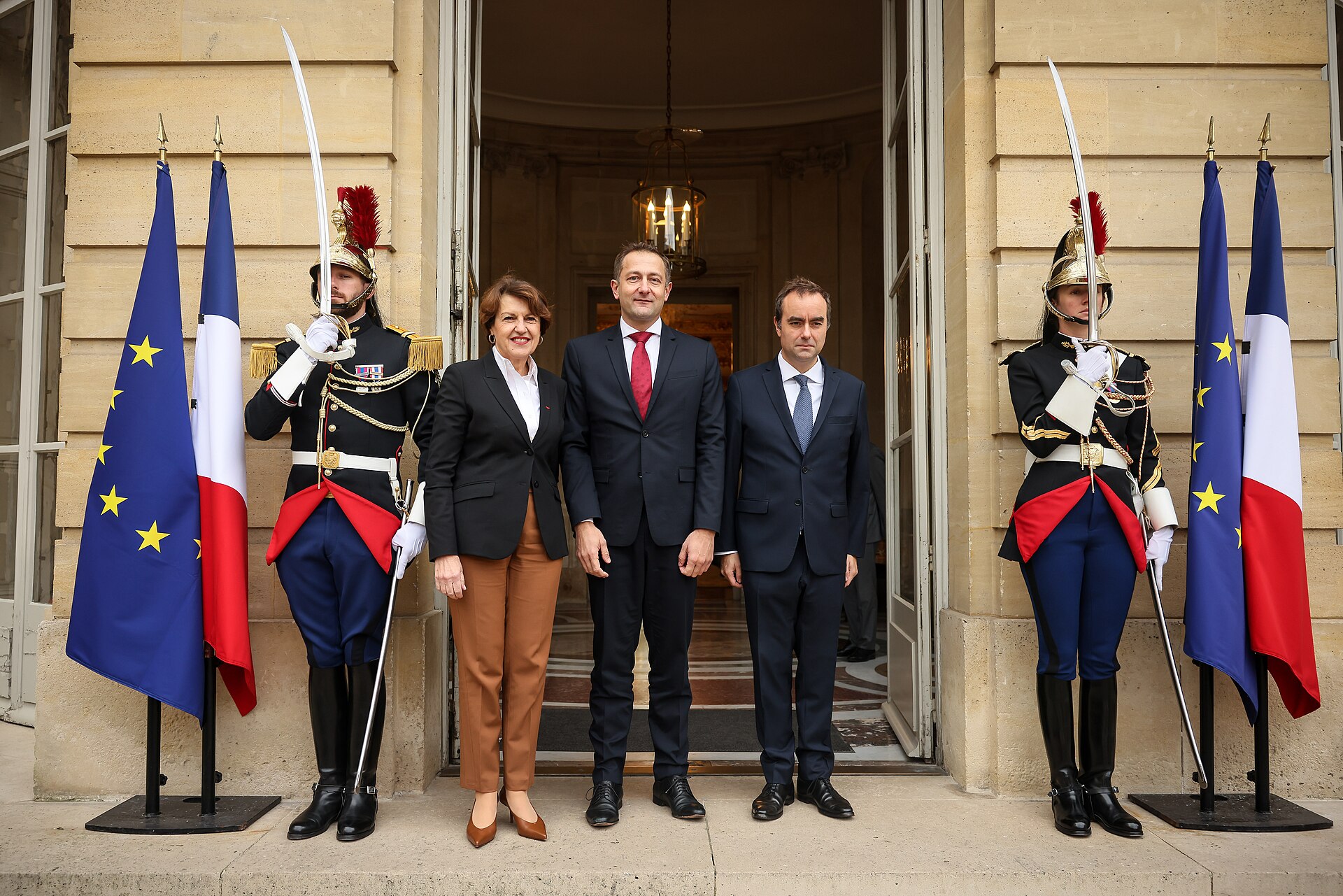
David Amiel, Minister of Public Action and Accounts, had also raised his tone as early as June, recalling that the government's objective for 2027 remained the reduction of public spending, not its increase. These exchanges, held during budget preparation, set the tone for an exercise conducted under constraint: the executive had to simultaneously meet the needs reported by each administration and maintain a public finance recovery trajectory deemed necessary by both markets and France's European partners.
"Inventing Things to Worry the French is Not Legitimate"
On August 20, Sébastien Lecornu took to social media to deny a series of measures he deemed "invented" to worry the French people: elimination of personalized housing benefits, freezing of the active solidarity income, questioning of the tax credit for employing a home helper, or an increase in income tax. "The real decisions will be announced when they have been made, transparently," he assured, while acknowledging that "criticizing government decisions is legitimate," but that "inventing things to worry the French is not."
Two days later, in a letter to parliamentarians, the head of government justified the urgency of a vote before the end of the year: "waiting for the presidential election means choosing disorder." Voting a budget, he argued, protects France from speculative movements and preserves its freedom of decision on the international stage – whereas the absence of an adopted text could neither be corrected nor reoriented by the next government. He also pointed out that a voted budget could still be "corrected, reoriented, or modified" by the team emerging from the polls in 2027.
The Prime Minister further noted that the next National Assembly, in the event of early legislative elections following the presidential election, could present a political configuration similar to the current one – thus requiring the same compromises between blocs as today. This argument was intended to convince the opposition that delaying the debate would not make the exercise any simpler next year.
A Highly Constrained Financial and Parliamentary Context
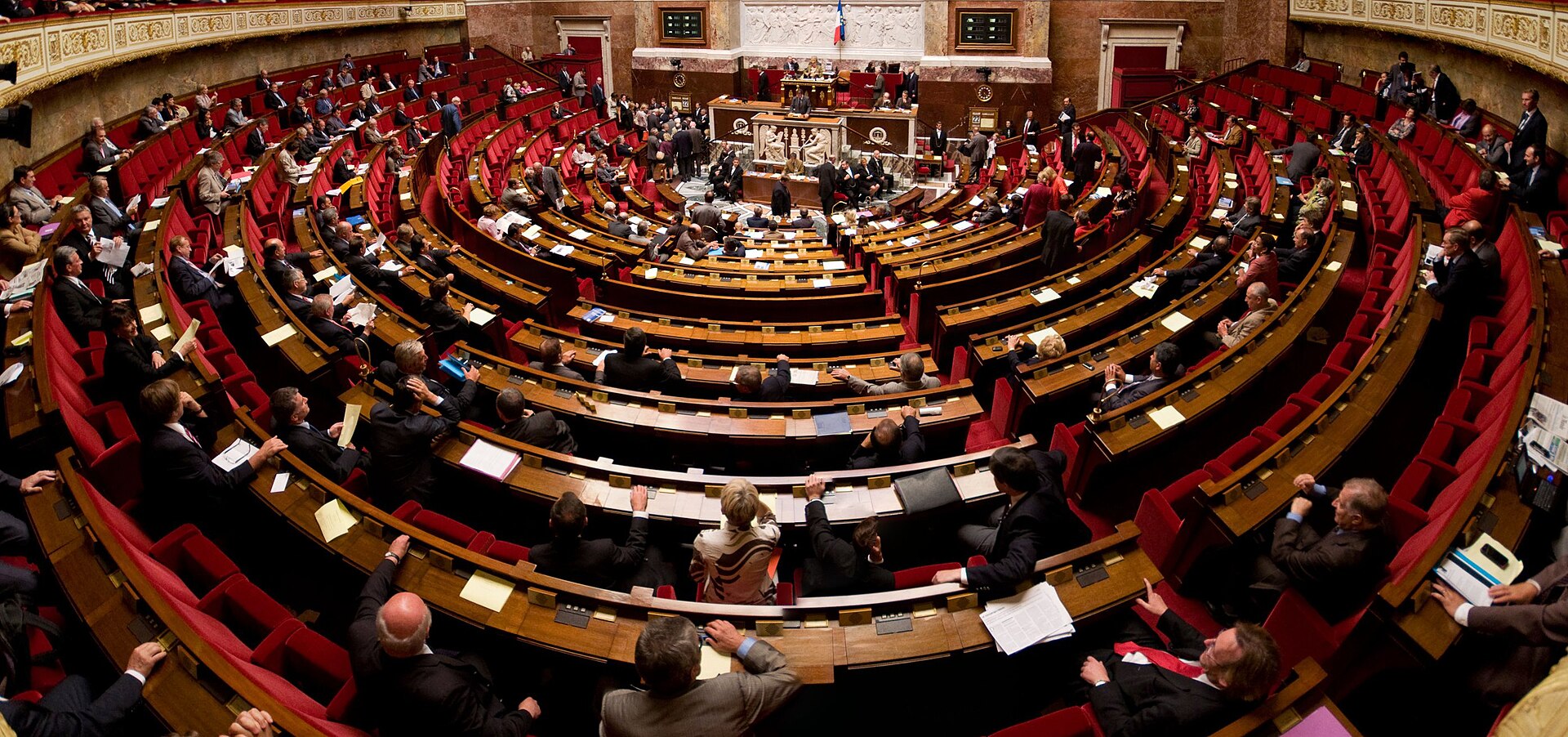
The context remains particularly constrained: public debt close to 3,350 billion euros, a Parliament fragmented since the last legislative elections, and an approaching presidential election weighing on every decision. The previous budget, that of 2026, was only adopted after four months of deadlock, significant concessions to the left, and the use of Article 49.3 of the Constitution – an exercise that the press alternately labeled a "socialist budget" by part of the right and "austerity" by the radical left. The debate on the 2027 budget promises to be, at least on this point, a continuation of this trend.
On the opposition side, initial reactions remain cautious in the absence of a definitive text. The parliamentary left has already indicated that it will remain vigilant regarding any measures affecting the purchasing power of the most modest households, while right-wing and centrist parties are calling for more ambitious savings than those outlined so far. This classic dividing line leaves little room for compromise that would not involve, as in 2026, several months of negotiations and successive adjustments to the initial text.
The parliamentary timetable remains constrained by the Constitution: Parliament has seventy days from the submission of the Finance Bill to make a decision, failing which the government can implement the budget by ordinance. This mechanism, already discussed during the debates on the 2026 budget, could again loom over this autumn's discussions if no compromise emerges before the end of the calendar year.
A major unknown remains, which neither the orientations unveiled this summer nor the Prime Minister's successive letters can resolve: the exact scale of the savings requested from each ministry, and thus their concrete translation for public services and beneficiaries of social benefits. These politically most sensitive decisions will only be known when the text is officially presented on September 30, when the general orientations will finally have to be translated into precise figures, ministry by ministry, budget line by budget line.
Editorial Note — The word to remember is "reversible." It signifies both the political constraint – no majority for a binding text – and the government's gamble: to pass a framework rather than choices, leaving it to the next executive to make the final decisions. Effective for avoiding censure; much less so for providing visibility to local authorities, businesses, and households.