Sébastien Lecornu sent two letters this summer. The first, in June, to rein in ministries demanding 30 billion euros in new funding, including 24 billion in additional spending. The second, in August, to deny measures he deemed "invented to worry the French": abolition of housing benefits (APL), freezing of social welfare (RSA), and an increase in income tax. In between, a country learning about the state of its future public finances through successive leaks, trial balloons, and course corrections.
This is not a communication problem. It's a methodological problem. The 2027 Finance Bill will be presented on September 30th to the Council of Ministers, in a country without a parliamentary majority, a few months before a presidential election that is already capturing all calculations. The Prime Minister himself summarized it in his letter to parliamentarians: "waiting for the presidential election is choosing chaos." True. But the reverse is just as true: building a budget in the shadow of a presidential election also means renouncing certain choices, for fear of what they might cost at the ballot box.
A Recent Precedent
The 2026 budget was only adopted after four months of parliamentary deadlock and the use of Article 49.3, in a climate of widespread distrust between the government and a Parliament fragmented into irreconcilable blocs. Nothing, at this stage, indicates that the balance of power will be different this autumn. Both left and right opposition parties have already made it known that they will not sign a blank check, and the government knows it: it is precisely for this reason that it is proceeding with caution, releasing guidelines rather than firm measures.
French debt is nearing 3,350 billion euros. A "reversible" budget, without tax increases, with a brake on spending, and a possible under-indexing of high pensions: these are the only known guidelines at this stage. Words cautious enough not to offend anyone before autumn, and vague enough not to commit to anything. The government is managing a climate rather than building a direction.
The Price of Prudence
This prudence has a price. It leaves administrations, local authorities, and businesses in a budgetary fog that has lasted for months: how to plan for recruitment, investment, or social assistance when no one yet knows if the envelope funding it will exist next year? Financial markets, for their part, are watching every sign of political deadlock with particular attention, knowing that a budget not voted on or voted on in haste directly impacts the cost at which France borrows.
The government invokes stability to justify its method. But the stability it seeks is primarily its own: avoiding a motion of no confidence, avoiding dissolution, avoiding being the executive that precipitated the country into new legislative elections a few months before the presidential election. This political calculation is understandable. However, the fundamental debate—how much the state costs, to whom it redistributes, which public services it maintains or reduces—continues to be avoided in favor of day-to-day symptom management.
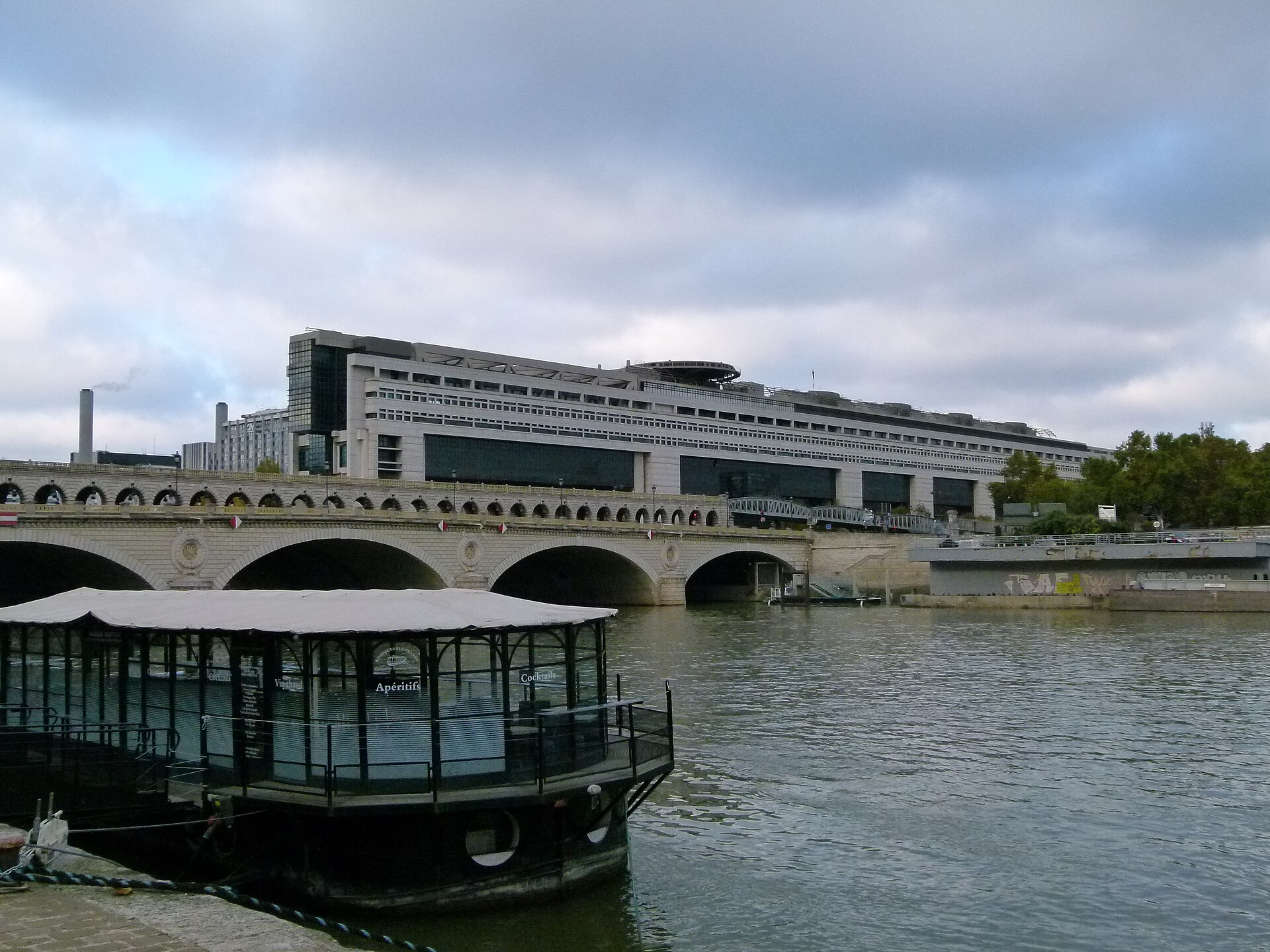
The result, for households and businesses that must anticipate their own decisions, is an uncertainty that has lasted for months and will last until autumn, at best. The real democratic debate on the country's budgetary priorities—who pays, who is protected, who waits—has not yet begun. It is being prepared behind the scenes, between Bercy's decisions and short statements on social media. The French, for their part, are watching from the sidelines, waiting for September 30th to finally know what is truly at stake with their money.
Governing by Denials
This way of governing through successive denials ends up producing the opposite effect of what is sought. Every measure mentioned and then contradicted fuels the idea that nothing is stable, that everything is negotiable behind the scenes, and that today's official version could be outdated tomorrow. The climate of distrust towards public discourse, already long-standing in France, can only be reinforced, even when the government is telling the truth.
Yet, there would be another way to proceed, which other parliamentary democracies practice more consistently: present quantified and contradictory scenarios early, publicly document the choices made rather than drip-feeding them, and let the parliamentary debate decide between acknowledged options rather than denying them until the last moment. Such an exercise requires a minimum of trust between the executive and the opposition, precisely what is most lacking at this stage of the five-year term.
By September 30th, each week will bring its share of leaks, denials, and short statements. The risk is not only that the debate will be late; it is that it will end up taking place entirely in the urgency of autumn, under the pressure of a constitutional calendar that requires a vote before December 31st. A country that decides its major financial balances in haste rarely makes the best decisions—and it is precisely this risk that the current method, in trying to avoid it, helps to foster.
*Opinion piece. The views expressed are solely those of the author.*