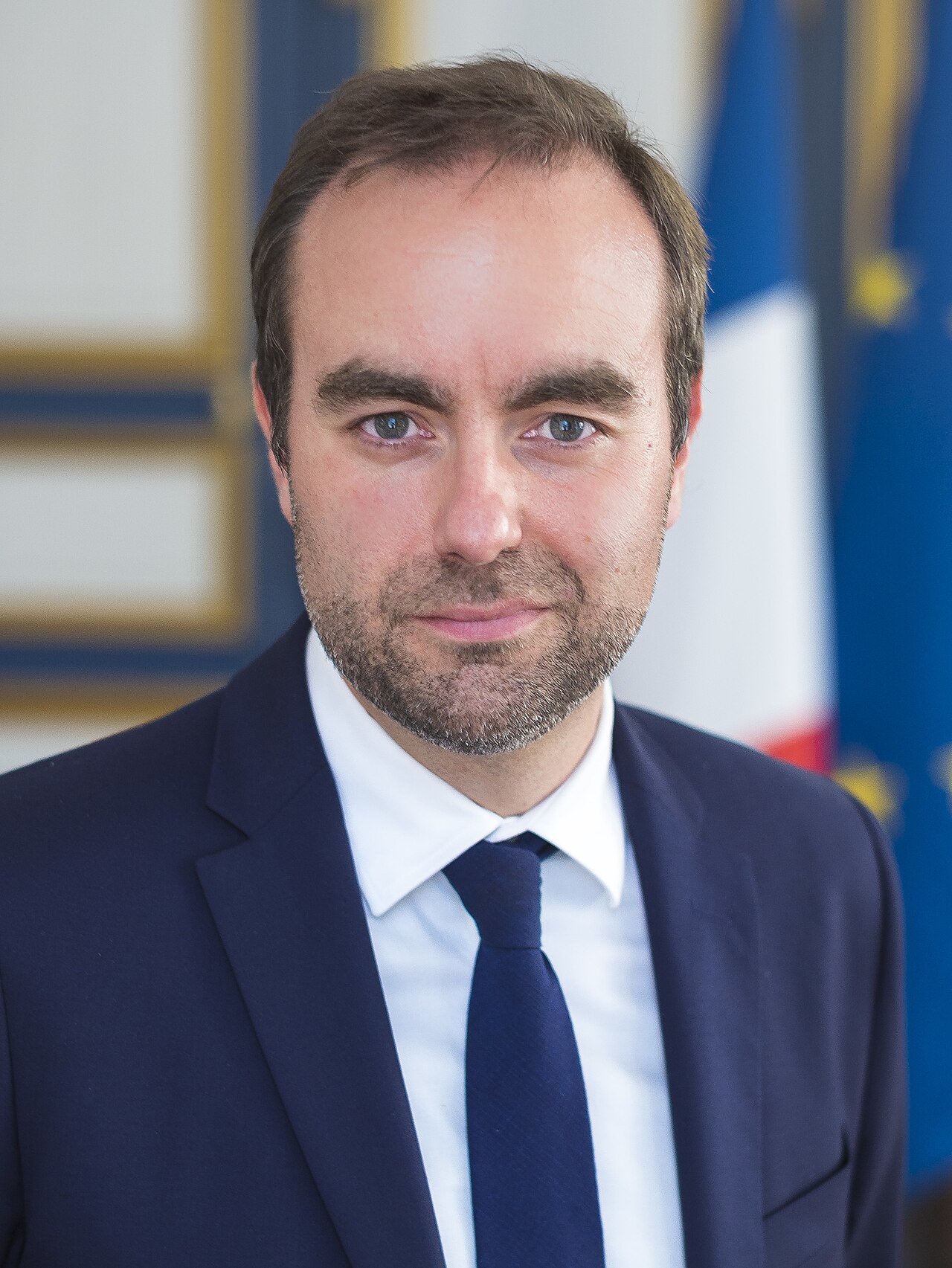
A service note signed by Prime Minister Sébastien Lecornu and sent on Thursday, April 23, 2026, to all ministers was leaked to the press on Friday morning. Six billion euros in additional savings must be made during the 2026 fiscal year to absorb the budgetary shock caused by the Middle East war and the resulting surge in energy prices. Four billion will weigh on the state budget through a generalized freeze of ministerial credits, and two billion on social security through a slowdown in healthcare spending, excluding emergencies. The head of government publicly stated from Matignon: "No one likes savings, but it would be irresponsible to refuse them."
A Credit Freeze, Not a Rectifying Finance Law
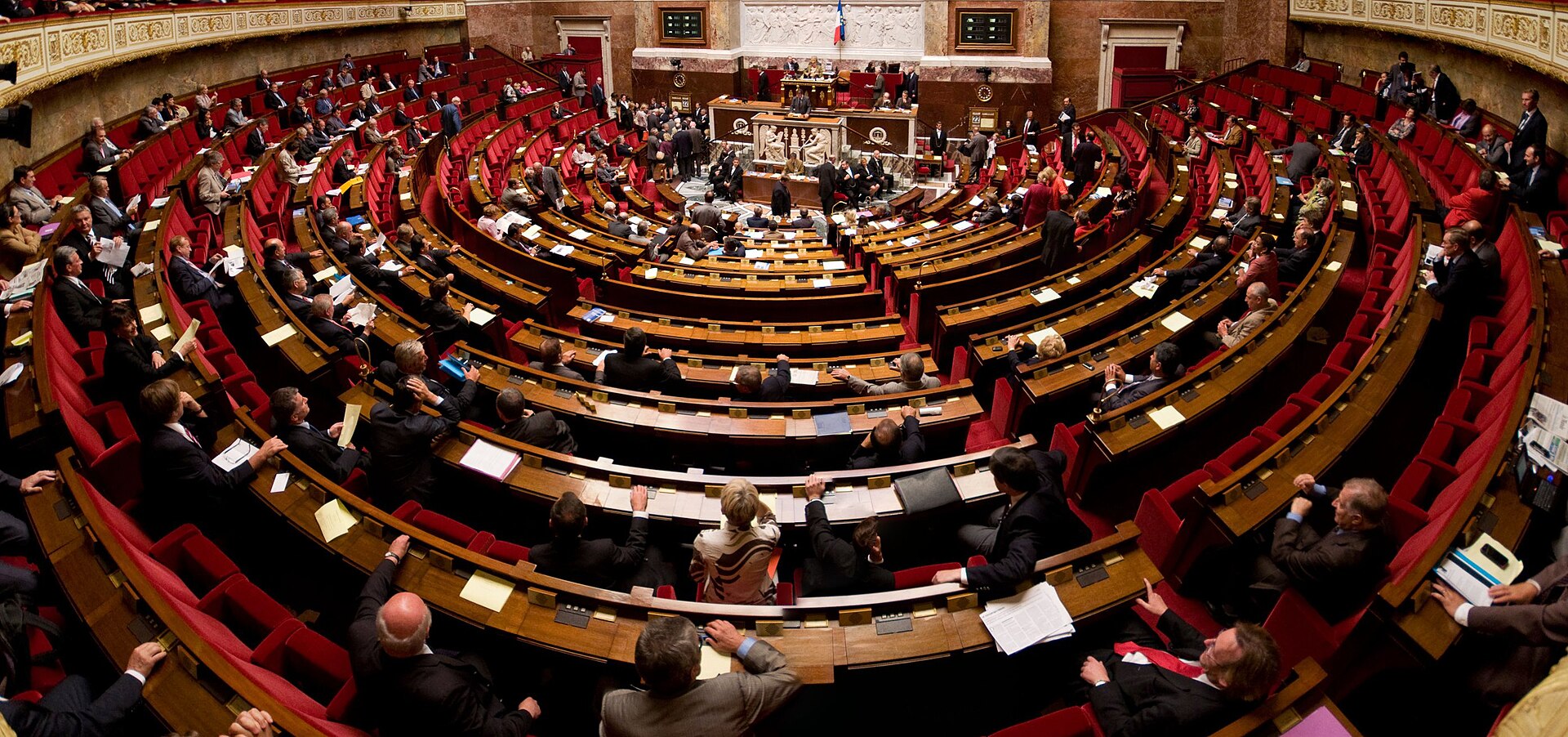
The technical subtlety is worth highlighting. Rather than submitting a rectifying finance law (LFR) to Parliament—a heavy, lengthy, and politically risky option for a minority government—Sébastien Lecornu opted for the regulatory path of credit freeze, provided for in Article 14 of the LOLF organic law. In practice, Bercy will block up to 4% of the spending authorizations voted in the initial 2026 finance law in ministerial accounts. The Ministries of Culture, Territorial Cohesion, and Agriculture would be the most affected, while Defense, Interior, and National Education would be safeguarded at the express request of the Élysée. This method allows for swift action but bypasses Parliament, which is already irritating the LR party and the left.
The Court of Auditors Openly Critical
In a press release issued Thursday evening, the Court of Auditors broke with its traditional duty of reserve to express itself unequivocally. First President Pierre Moscovici denounced "an accumulation of short-sighted management measures, taken in haste, which do not constitute a credible budgetary strategy." The report recalls that this is now the third "additional savings" decision made in less than six months, following the 4 billion announced in January and the 2 billion in March. In total, nearly 12 billion euros in cuts will have been imposed outside the parliamentary process, equivalent to the annual budget of the Ministry of Justice. The Court calls for an "immediate rebalancing" through a formal rectifying finance law by the summer.
The Context: A Major Energy Shock
The origin of the budgetary problem is clear. Since the beginning of the war in the Middle East and the US naval blockade on Iranian ports, Brent crude has oscillated between 95 and 105 dollars per barrel, compared to the 75 dollars anticipated in the initial finance law. Wholesale electricity prices on the European market have simultaneously jumped by 60% since February, boosted by residual gas dependence. To absorb this shock and prevent an explosion in pump prices and household electricity bills, the government announced on April 21 a fuel aid of €50 per vehicle for 28 million low-income French citizens—a scheme estimated at 1.4 billion euros, in addition to the 800 million for the exceptional energy check. In total, protective measures amount to nearly 4 billion euros in costs for the second quarter alone.
Lescure and Amiel on the Front Lines
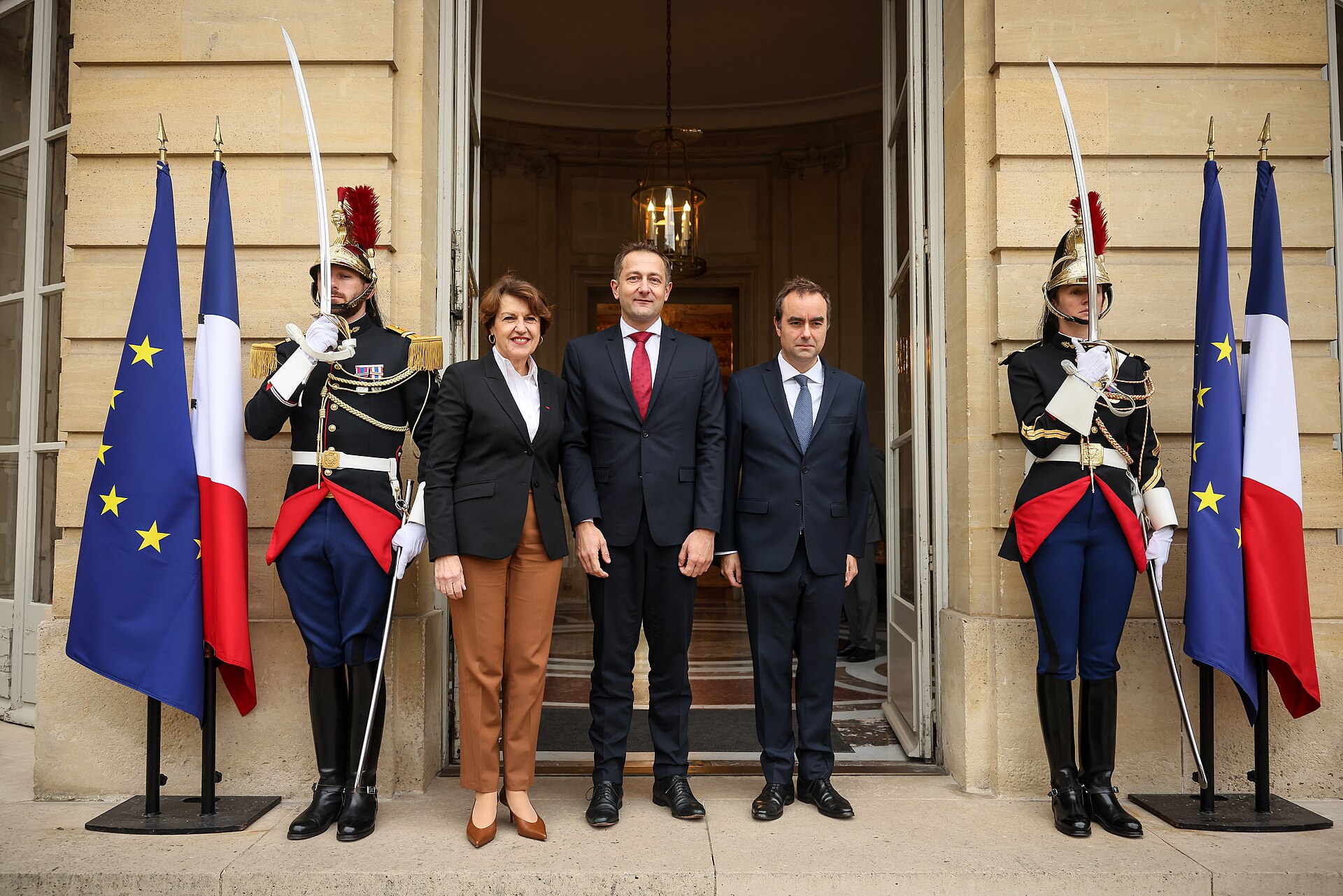
The two ministers primarily responsible for implementation, Roland Lescure (Economy) and David Amiel (Public Accounts), will hold a joint press conference at Bercy on Tuesday, April 28, to detail the breakdown by budgetary mission. According to available information, the main cuts would affect public development aid (-€320 million), the youth Culture Pass (-€180 million), MaPrimeRénov' (-€400 million), subsidized employment contracts (-€250 million), as well as massive postponements of investments in social housing. On the social security side, the freeze would mainly affect hospital tariff revaluations planned for the second half of the year, which is of great concern to the French Hospital Federation.
Editorial Opinion
The savings plan of April 24, 2026, is an act of tactical responsibility but a strategic failure. Tactical: yes, French citizens must be protected against the energy shock, and French debt is now approaching 116% of GDP. Failure: because the credit freeze method, used three times in six months, reflects the crucial lack of a multi-year budgetary roadmap. Sébastien Lecornu acts as a firefighter, never an architect. The Court of Auditors is right: without a rectifying finance law and parliamentary debate, these decisions suffer from a serious democratic deficit, which will ultimately be paid for politically. More profoundly, France is now paying the price for fifteen years of budgetary procrastination—a refusal to make choices between social spending, defense, and ecological investment. The Middle East war has only made visible what was already unsustainable. The real political courage would be to tell the French the truth: this government, like previous ones, is buying time. It is not buying the future.
Key Takeaways
- Plan for €6 billion in additional savings for 2026 confirmed on April 24 by Sébastien Lecornu.
- €4 billion for the state budget (credit freeze), €2 billion for social security.
- Method of credit freeze (Article 14 LOLF) instead of a rectifying finance law.
- 3rd savings plan in 6 months; ~€12 billion outside parliamentary process in total.
- Court of Auditors (Pierre Moscovici) openly criticizes the "haste".