
Artificial intelligence is beginning to influence global gastronomy, primarily through three avenues: food pairing (analysis of molecular compatibilities between ingredients), ingredient traceability, and the optimization of restaurant management. However, Michelin-starred chefs remain divided on the place of technology in an age-old art.
AI-assisted food pairing relies on analyzing shared aromatic compounds between ingredients. This approach, developed by companies like Foodpairing.com (Belgium), allows for the identification of surprising yet scientifically founded combinations. Chefs such as Heston Blumenthal (The Fat Duck) and Andoni Luis Aduriz (Mugaritz) have been exploring this path for several years.
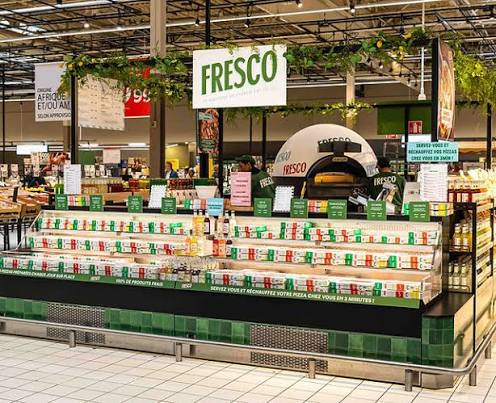
Food traceability is advancing thanks to blockchain and AI. Carrefour has rolled out blockchain across several product lines, allowing consumers to scan a QR code to know the exact origin of each ingredient. The EU is strengthening its traceability requirements to combat food fraud, estimated at 30 billion euros annually in Europe.
Cultivated meat in the laboratory (cellular meat) is progressing slowly. Singapore was the first country to approve the sale of cultivated meat (Eat Just, 2020). In the United States, Upside Foods and Good Meat received authorization from the FDA and USDA in 2023. The EU has not yet approved sales, and Italy has even banned it. Production costs remain high.
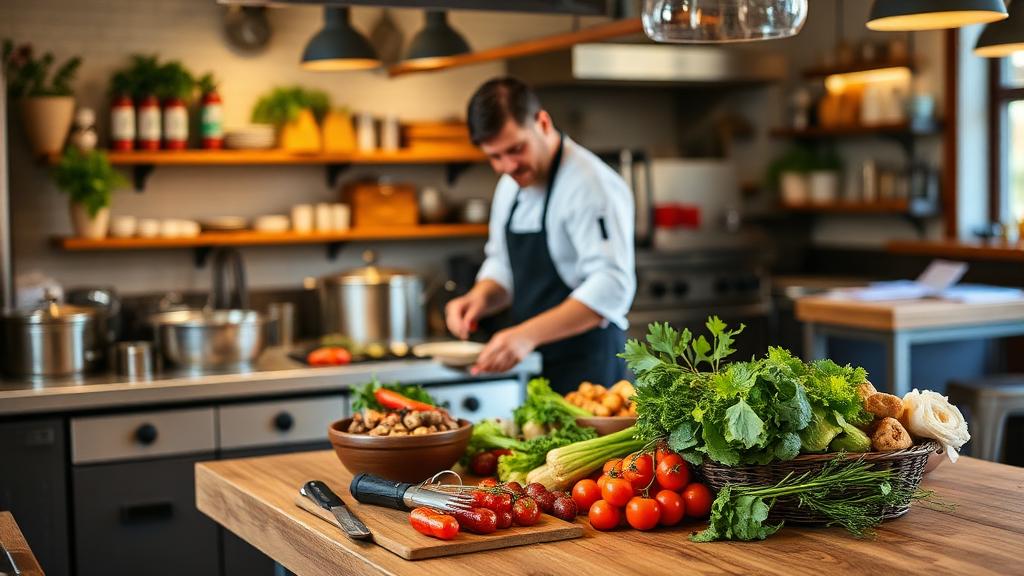
AI tools for restaurant management are developing: predicting customer traffic, optimizing menus based on margins and inventory, dynamic reservation management. Startups like ClearCOGS and Nory offer these services to restaurateurs.
The 2026 Michelin Guide continues to reward chefs who combine tradition and innovation. France remains the country with the most Michelin-starred restaurants in the world. AI does not (yet) have a formal place in the evaluation criteria, but the creativity it inspires indirectly contributes to the evolution of gastronomy.