A wind of change is blowing through French restaurants. In 2026, the 'semainier'—a format where the restaurant offers a single menu that changes each day of the week—is establishing itself as the culinary trend of the year. Far from being a regression, this return to the fundamentals of market-driven cuisine is attracting a new generation of chefs and diners.
Less waste, more meaning
The principle is simple but remarkably effective: a single menu per service, made with fresh products bought that very morning. According to Avenue Limousine, this approach reduces food waste by 40 to 60% compared to a classic restaurant with a fixed à la carte menu. Losses are minimized as the chef buys only what is needed for the number of covers expected.
A virtuous economic model
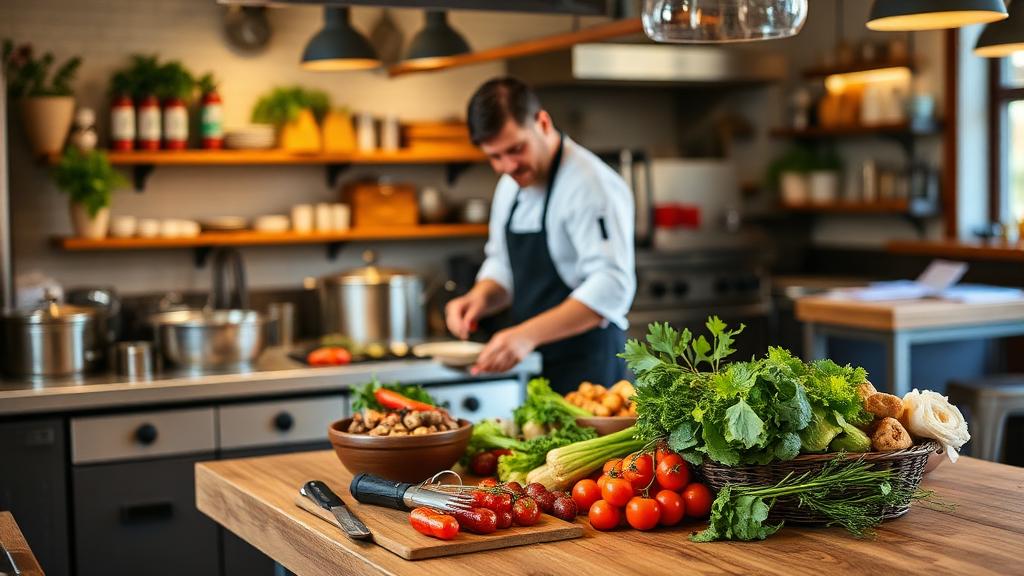
In a context of persistent food inflation—raw material prices have increased by 15% in two years according to INSEE—the semainier offers a powerful economic lever. Chefs negotiate directly with local producers, favor short supply chains, and adapt their menu to the day's arrivals. The result: gourmet quality dishes at accessible prices, often between 15 and 25 euros for lunch.
A philosophy that goes beyond the plate
The semainier is not just a matter of logistics. It is a philosophical choice that reconnects with the tradition of 'neighborhood canteens' and regional bistros. In Paris, Lyon, Bordeaux, and Marseille, dozens of establishments have adopted this format in 2026. Customers, increasingly sensitive to environmental issues, are embracing this transparency: you know what you're eating, where it comes from, and why it's on the menu today.