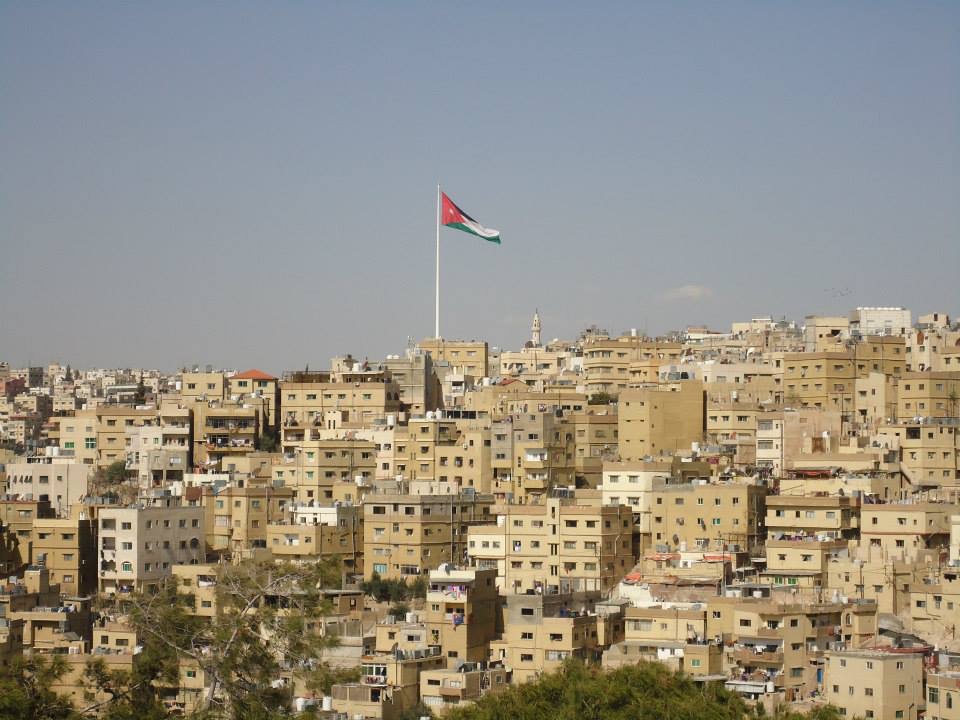
Fourteen weeks of discreet negotiations, dozens of lists exchanged via the Red Cross, several interruptions linked to cross-strikes in the Red Sea: it took rare diplomatic endurance to achieve the agreement signed Thursday, May 14, 2026, in Amman, and confirmed this Friday, May 15, by both parties. The internationally recognized Yemeni government, supported by Saudi Arabia, and the Houthi rebels from the north of the country, aligned with Tehran, have committed to releasing a total of over 1,600 individuals linked to the conflict.
The largest exchange since 2015
This is, to date, the most massive operation since the start of the Yemeni civil war in March 2015. Previous exchanges, in October 2020 (1,056 detainees) and April 2023 (887 detainees), had already been presented as historic. This one surpasses them in volume and, even more so, in political symbolism: it comes at a time when the Iran–United States war has reshuffled the regional cards, and when the Houthis, deprived of their main strategic sponsor in the midst of the Gulf War, are seeking to monetize their nuisance capacity.
The UN Special Envoy for Yemen, the Swede Hans Grundberg, present at the closing ceremony alongside Christine Cipolla for the International Committee of the Red Cross, hailed "a first-rate humanitarian outcome" and "proof that technical dialogue remains possible even in the heart of the worst regional storm." Jordan, host of the talks, sees its mediator role consolidated.
A three-week release schedule
The agreement provides for a phased release. The first wave, expected as early as Sunday, May 17, should bring back approximately 400 detainees from each side, transported by chartered ICRC flights from Sanaa, Aden, and Marib. The following two, scheduled for May 24 and May 31, will complete the operation. Among those released will be, on the government side, several brothers of President Rashad al-Alimi detained since 2017 by the Houthis, and, on the rebel side, several political leaders arrested by Saudi forces in 2019.
A distinctive feature of this agreement: it includes, for the first time, the release of four Yemeni journalists sentenced to death by Houthi courts in 2020. Reporters Without Borders, which had been campaigning for their release for five years, hailed "a major advance for freedom of the press in the region."
The regional context, a determining factor
The exchange does not fall on this date by chance. Since the political decapitation of Iran (death of Supreme Leader Ali Khamenei on February 28, President Massoud Pezeshkian on March 12), the Houthis have seen their long-range arms supplies dwindle. Their ability to block the Bab-el-Mandeb Strait remains real, but their political agenda has shifted: they are now seeking international legitimacy that no military offensive can offer them. The release of prisoners, conversely, provides it.
Riyadh, for its part, sees this agreement as a new milestone in its strategy of gradual disengagement from the conflict. Crown Prince Mohammed bin Salman, who is to receive Donald Trump in Jeddah at the end of the month, wishes to arrive at this meeting with a cleared Yemeni file. As for the Sultanate of Oman, which has been providing a back channel between Sanaa and Riyadh for eight years, it emerges from the shadows as one of the main technical architects of the agreement.
A truce that does not say its name
The agreement does not, legally, concern a general ceasefire. Sporadic fighting continues in Marib and around Hodeidah, and Houthi strikes against cargo ships in the Red Sea have not ceased. But several European diplomats see in it "a truce that does not say its name": as long as prisoner rotations take place, the belligerents have a common interest in preserving a minimum of stability.
The UN, which had to suspend part of its humanitarian operations in Yemen in March after the abduction of several of its agents by the Houthis, hopes to be able to resume its food programs in the Hajjah region within the next two weeks. The World Food Programme estimates that 17 million Yemenis are facing acute food insecurity.
Editorial opinion
For eleven years, Yemen has been the blind spot of Western consciousness: too far, too complex, too much like itself. This agreement will neither resolve the country's abysmal poverty, nor the political fracture between Sanaa and Aden, nor Iran's grip, however weakened, on the Houthis. It will, however, have the immense merit, for 1,600 families, of returning men to their loved ones. And it signals, on a regional scale, that a de-escalation logic, initiated in Beijing between Trump and Xi, can produce concrete effects in secondary conflicts. This is good news. It will remain fragile as long as weapons have not definitively left the Red Sea.
To remember
- Agreement signed Thursday, May 14, 2026, in Amman between the recognized Yemeni government and Houthi rebels.
- Over 1,600 prisoners of war will be released in three waves (May 17, 24, and 31).
- Largest exchange since the start of the Yemeni civil war in 2015.
- Four journalists sentenced to death by Houthi courts are included in the agreement.
- Joint mediation by the UN (Hans Grundberg), the ICRC (Christine Cipolla), Jordan, and the Sultanate of Oman.
- The agreement comes against a backdrop of Iranian strategic weakening and gradual Saudi disengagement.