The most anxiety-inducing countdown of the decade is coming to an end. The ultimatum issued Sunday by President Donald Trump to Iran – to reopen the Strait of Hormuz by Tuesday evening under penalty of "massive destruction" – expires this April 7, 2026, at the end of the day. During a press conference held Monday at the White House, Trump reiterated his threats in unprecedentedly brutal terms, vowing to "bomb bridges, power plants, and everything that keeps this regime standing." When asked about the risk of committing war crimes by targeting civilian infrastructure, he replied that he was "not worried."
The presidential rhetoric has sent shockwaves through global diplomacy. The UN High Commissioner for Human Rights recalled that "the deliberate targeting of infrastructure essential for the survival of the civilian population constitutes a serious violation of international humanitarian law." Several human rights organizations, including Amnesty International and Human Rights Watch, have urged the US administration to withdraw its threats, warning that the destruction of power grids and bridges would plunge millions of Iranians into a catastrophic humanitarian crisis.
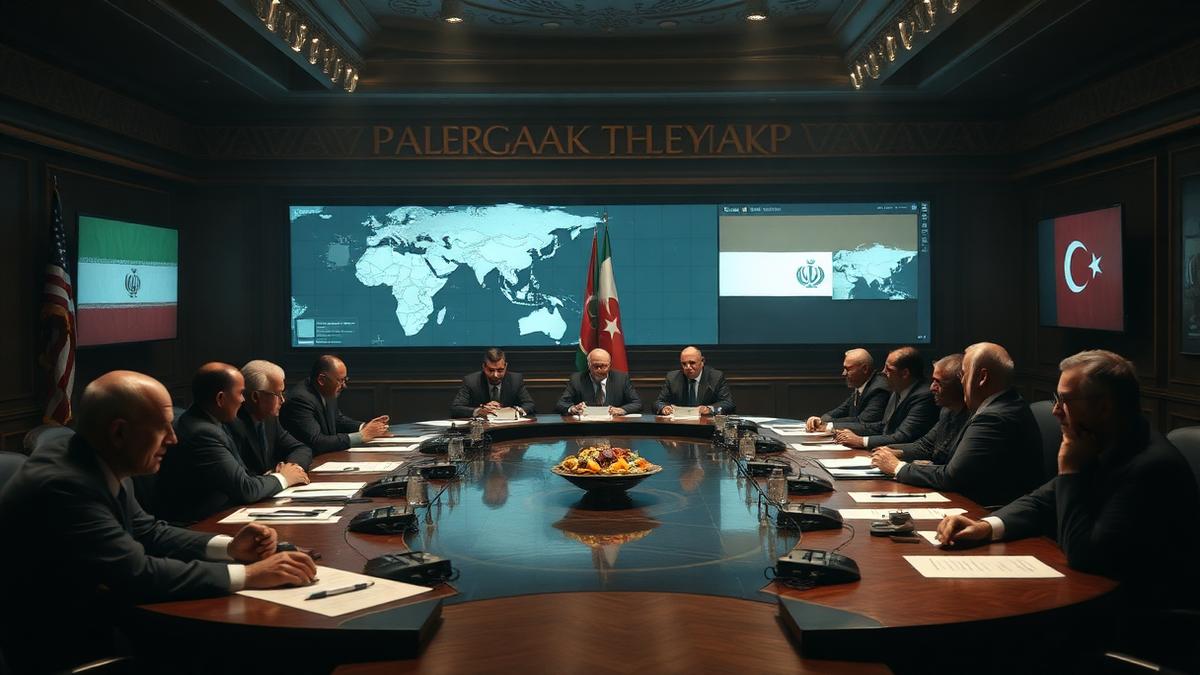
The Iranian army responded by dismissing Washington's "arrogant rhetoric." In a statement released Tuesday morning, the supreme command of the Iranian armed forces asserted that "the Islamic Republic does not bow to the bravado of a president who confuses diplomacy with a reality show." Tehran reiterated its position: the Strait of Hormuz will only reopen in exchange for a permanent ceasefire, the withdrawal of US naval forces from the Persian Gulf, and the lifting of economic sanctions. The head of intelligence for the Revolutionary Guards was killed in an Israeli strike, according to unconfirmed Iranian sources.
European capitals are stepping up calls for restraint. French President Emmanuel Macron described the situation as "the most dangerous since the Cuban Missile Crisis" and proposed mediation by the European Union, complementing Pakistani-Egyptian-Turkish efforts. Berlin summoned the US ambassador to express its "deep concern" over threats against civilian infrastructure. The United Kingdom, caught between its special relationship with Washington and its obligations under international law, has adopted an intermediate position, calling for "immediate de-escalation from all parties."
Geopolitical analysts agree on one point: the next few hours will be decisive. If the ultimatum expires without an agreement, options range from a massive intensification of US strikes – including potentially against civilian targets – to an extension of the conflict to the entire Gulf. The most feared scenario remains a strike on Iranian oil facilities, which would trigger a global oil shock comparable to that of 1973. Markets are already anticipating the worst: Brent crude exceeds $120, gold reaches new highs, and global stock indices continue their downward trend.