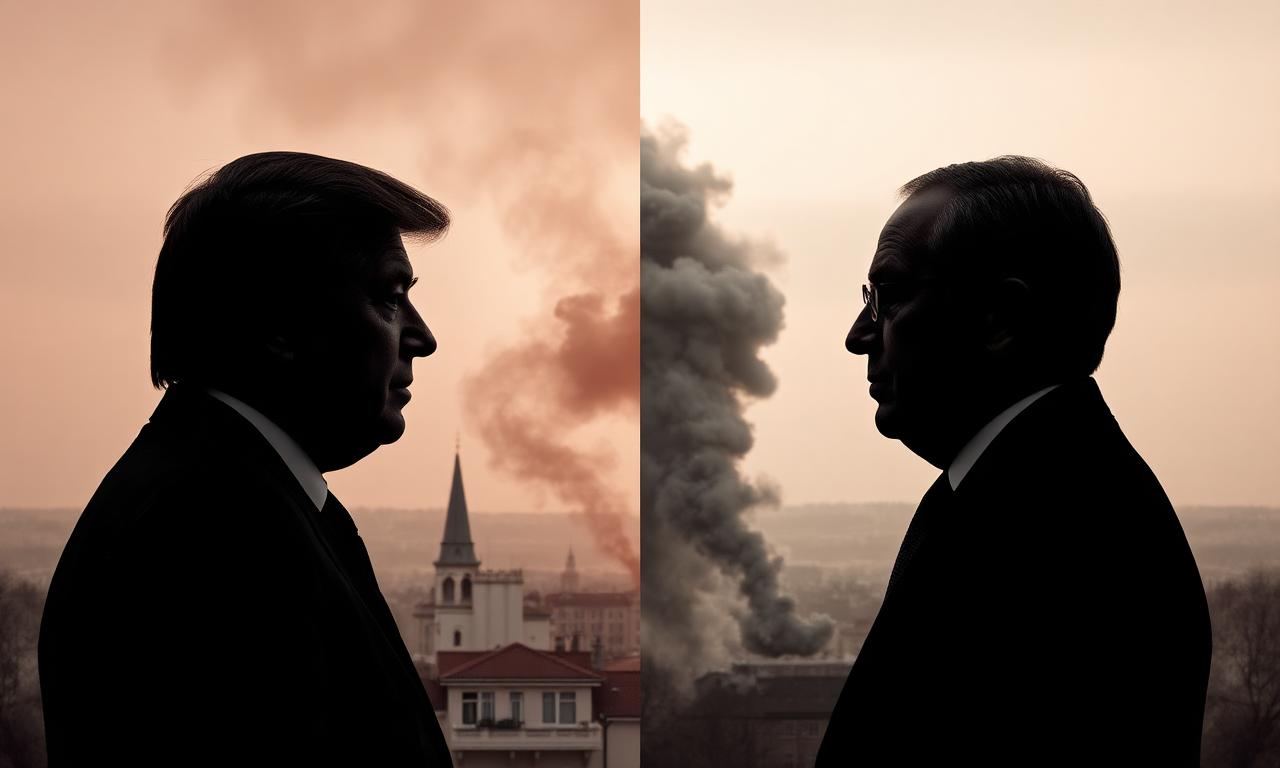
Two heads of state, two ceasefires, two incompatible calendars. While Putin and Zelensky exchange their peace proclamations, seven civilians were dying in the streets of Merefa, a stone's throw from Kharkiv. The diplomacy of unilateral truces has never saved a single life — and both belligerents know it.
The Russian Calendar: A Tailor-Made Truce for a Parade
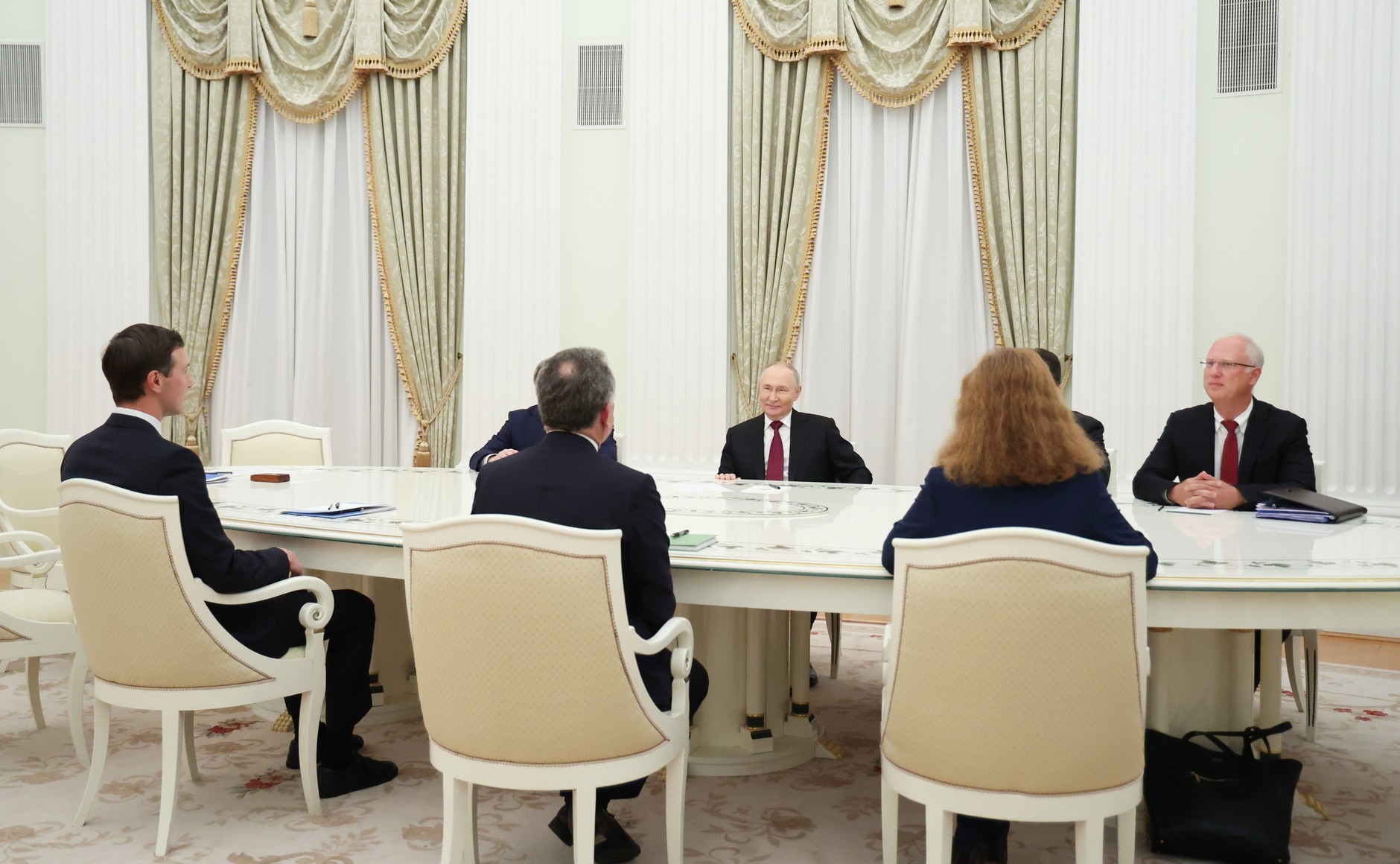
May 9 is the most sacred holiday on the Russian political calendar. Every year, Vladimir Putin presides over a grand military parade on Red Square commemorating the Soviet victory over Nazi Germany — what Moscow calls the Great Patriotic War. In 2026, the parade will mark the 81st anniversary of that surrender. It is in this context that the Kremlin announced a bilateral ceasefire on Monday for May 8 and 9, after Putin had raised the principle during a phone call with Donald Trump late last week. Washington saw it as an opportunity for a diplomatic signal. Moscow sees it primarily as a security guarantee for its parade.
Because this year's parade will be different — and not in the way Putin would have wished. For the first time in decades, the Russian Ministry of Defense has announced that tanks, ballistic missiles, and heavy armor will not parade on Red Square. The official reason cited is "security measures" against the risks of Ukrainian drone attacks. Zelensky did not miss the opportunity: "Russia announces a parade without military equipment. They cannot afford to display it, and they fear a drone flying over Red Square. This is a sign of growing weakness." The symbolic weight of this demilitarization of the parade is considerable in a country where military power is the primary marker of national legitimacy.
The Ukrainian Response: An Earlier, More Sarcastic Truce
Kyiv did not wait. Zelensky publicly stated that he had received no official notification from Russia regarding any ceasefire — the Kremlin, he specified, had simply posted a message on a state messaging app. He then counter-attacked on the rhetorical front: Ukraine would observe its own truce, starting at midnight on the night of May 5-6, two days before the Russian truce. "Human life is infinitely more valuable than any military celebration," he wrote on X. Translation: if you want peace, it's now — not when your parade demands it.
The exchange is diplomatically sterile, but politically eloquent. Neither side has accepted the other's terms. Russia implicitly made Ukraine's observance of its May 8-9 calendar a prerequisite. Ukraine refuses to link a ceasefire to Russian commemorative convenience. This deaf dialogue is not a communication error: it is the strategy itself. Each belligerent wants to appear as the reasonable party in the eyes of international opinion — and particularly Washington.
The Threat of Massive Strikes on Kyiv
The Russian Ministry of Defense accompanied its ceasefire announcement with a warning of rare brutality: "If the Kyiv regime attempts to implement its criminal plans to disrupt the celebration of the 81st anniversary of the victory in the Great Patriotic War, the Russian armed forces will launch massive missile strikes at the heart of Kyiv." Foreign embassies were invited to evacuate their personnel from the Ukrainian capital as soon as possible. This wording is more about high-intensity intimidation than any gesture towards peace.
Zelensky traveled to Bahrain late in the day for security cooperation talks — a clear signal that Kyiv continues to strengthen its regional alliances, independent of any Russian agenda. At the same time, the United Kingdom announced sanctions against 35 individuals and entities involved in recruiting migrants to fight for Russia and in the manufacture of drones used in Ukraine. Diplomatic pressure on Moscow remains real, even if it struggles to translate into action on the ground.
The Ground Truth: Nine Deaths in Kharkiv
While communiqués were exchanged, bombs continued to fall. On Monday, a Russian ballistic missile strike on Merefa — a town in the Kharkiv region, far from the front lines — killed seven civilians and wounded dozens more. AFP described bodies in the streets, covered with blankets, blown-up cars, and gutted shops. Among the injured was a two-year-old child. In the Zaporizhzhia region, an additional Russian strike killed two people in the village of Vilnyansk. On the Russian side, the governor of Belgorod reported one civilian killed and seven wounded in a Ukrainian drone attack.
Nine confirmed civilian deaths on an ordinary day of war — the same day both leaders proclaimed their desire for an end to hostilities. The gap between rhetoric and reality on the ground is the most important piece of news from this day. The two rival truces are not acts of peace: they are instruments of narrative warfare, intended to influence Trump, European public opinion, and the course of history. The real truce, the one that would save lives, would require territorial concessions that neither Putin nor Zelensky are politically ready to make today.
Editorial Opinion
The war of unilateral ceasefires is the most reliable indicator of the impasse both sides are in. Neither Putin can afford a symbolic defeat on May 9, nor can Zelensky legitimize a truce that would serve as an alibi for a military parade. Meanwhile, Ukrainian civilians are dying. OrChair believes that any credible peace initiative can only come through mediators who are neither Trump nor the EU in its current state — and that the summer of 2026 will be decisive.
Key Takeaways
- Putin proclaims a ceasefire from May 8 to 9 for Victory Day — Zelensky counters with his own starting tonight.
- Ukraine states it received no official notification from Moscow: the Kremlin posted on a messaging app.
- Russia threatens missile strikes on Kyiv if Ukraine disrupts the ceremonies.
- May 9 parade without heavy weaponry for the first time — a sign of Ukrainian drone pressure.
- 9 civilians killed on Monday, including 7 in Merefa (Kharkiv), on the very day of the truce announcements.