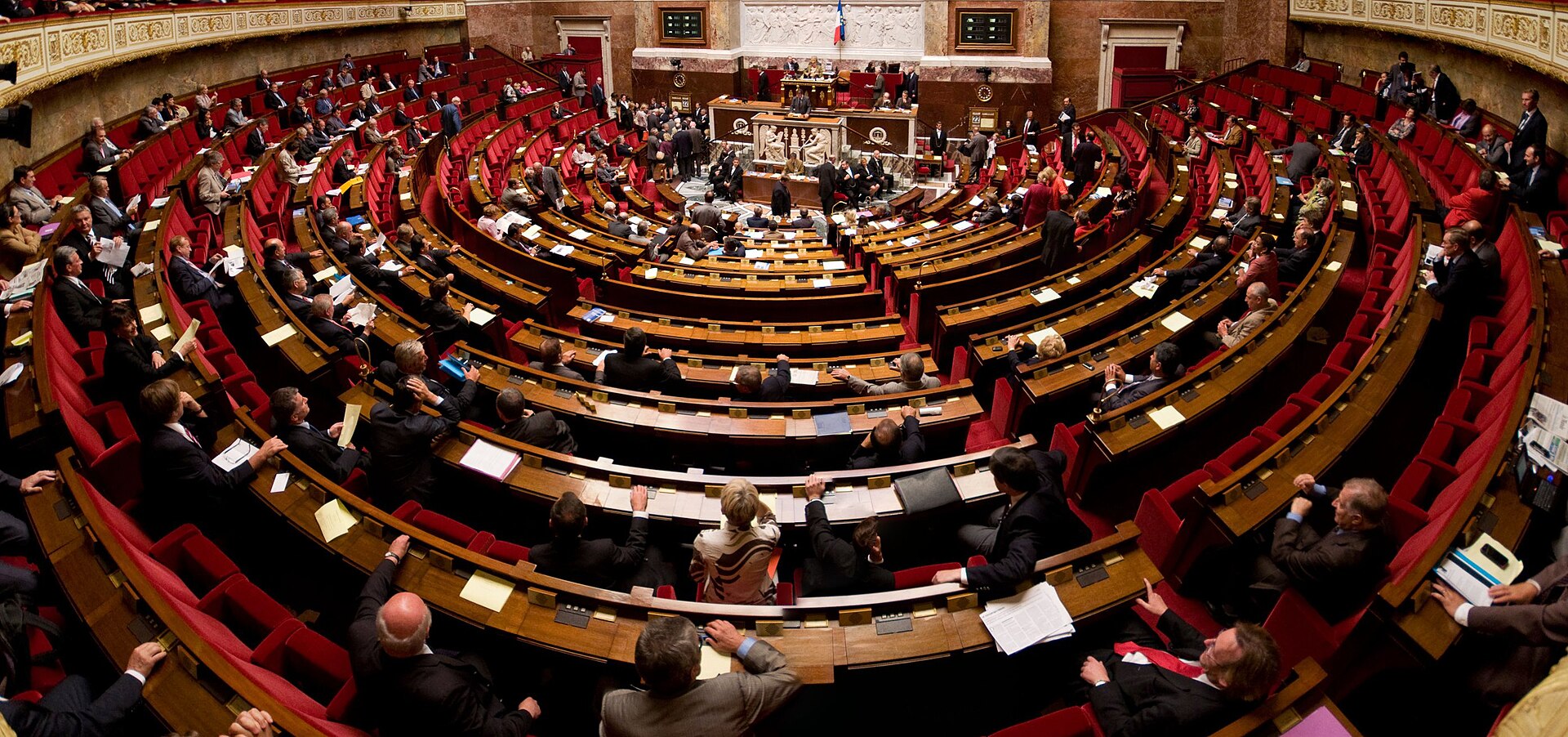
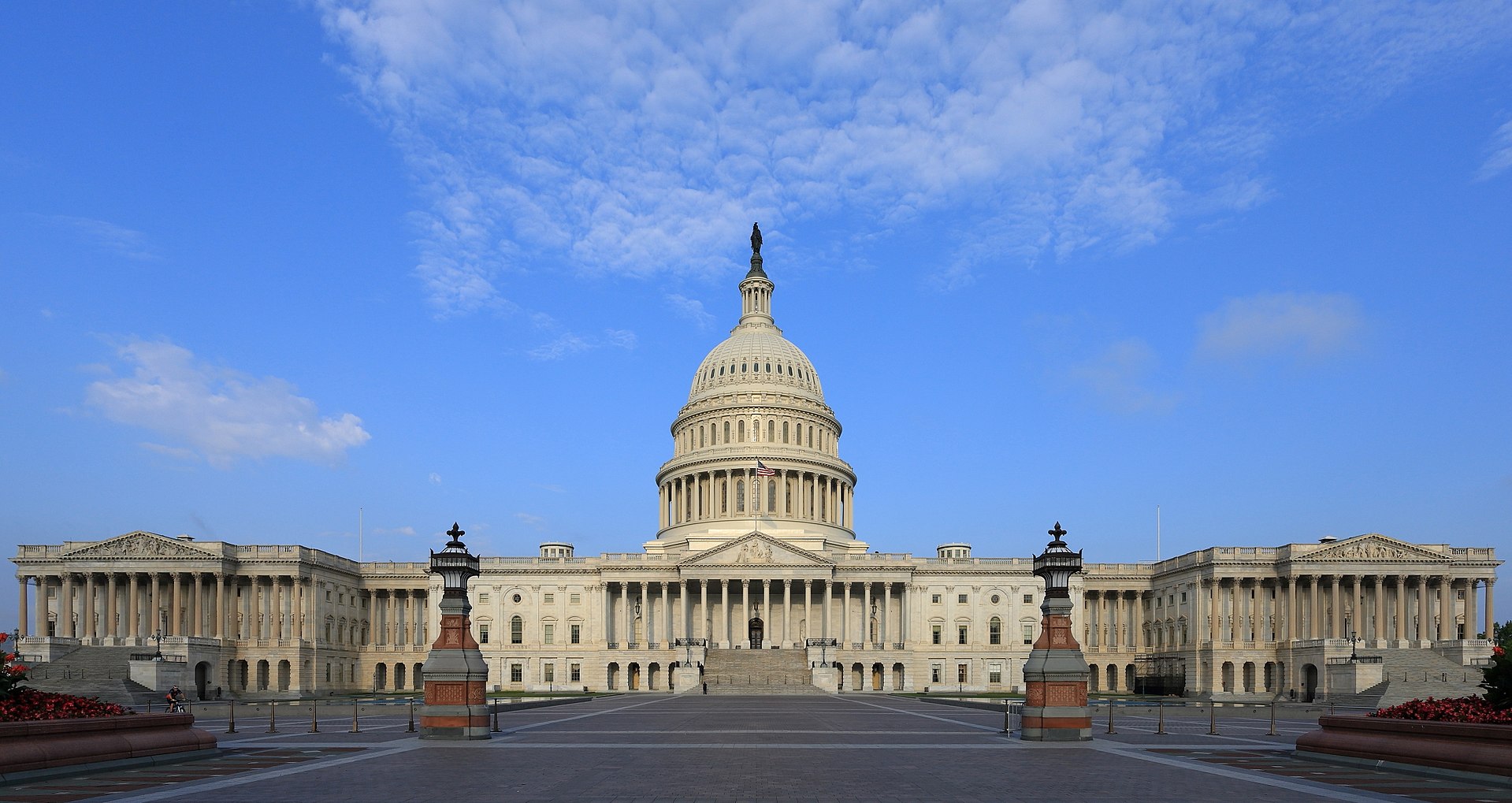
It was 6:23 PM on Thursday, April 30, 2026, when Donald Trump put his pen to H.R. 4188 in the Oval Office. With one stroke, the forty-seventh President of the United States brought an end to the longest federal government shutdown ever recorded in American history: seventy-six days, two weeks longer than the previous record (35 days, during Trump's first term, winter 2018-2019). "This is a good bill, it's a great bill," declared the President, surrounded by Kristi Noem (DHS), Mike Johnson (Speaker of the House), and Susan Collins (Chair of the Senate Appropriations Committee). The agreement, dubbed the Homeland Security Continuing Appropriations Act, secures funding for the vast majority of DHS agencies — Coast Guard, FEMA, Secret Service, Cybersecurity and Infrastructure Security Agency (CISA), Transportation Security Administration (TSA) — until September 30, 2026.
The Compromise: Everything But ICE
The core of the compromise, painstakingly negotiated over eight days by Senators Susan Collins (R-Maine) and Patty Murray (D-Washington), can be summed up in one phrase: "all of DHS, except for immigration enforcement." Specifically excluded from funding are Immigration and Customs Enforcement (ICE), U.S. Citizenship and Immigration Services (USCIS), and the enforcement division of Customs and Border Protection (CBP). These three agencies, comprising approximately 87,000 personnel in total, remain in a technical shutdown – meaning they are being paid through ad-hoc advances from the Treasury Forfeiture Fund, but without an operating budget. Democrats secured this exclusion by conditioning their support on blocking funds for the new raids policy in schools and hospitals announced by Kristi Noem in March.
Massive Economic Cost
The Congressional Budget Office released its first quantified estimate of the shutdown's direct economic cost on Thursday evening: $32 billion in lost GDP, of which $11 billion will never be recovered (cancelled travel, unfulfilled public contracts, decreased consumption). Over 850,000 federal employees have been placed on unpaid leave or forced to work without pay since February 14. During these ten weeks, airport security checks experienced delays of up to six hours at JFK and O'Hare; two early hurricanes (Bonnie in March, Charley in late April) were managed by a FEMA operating at 38% of its staff; and the cyber agency CISA observed a 41% increase in intrusions into municipal systems, exploiting the chaos. The closure has cost the U.S. economy more than 0.4 percentage points of quarterly growth.
Political Winners and Losers
Mike Johnson, under pressure for weeks, emerges strengthened: he held his caucus together and secured a compromise without ceding on ICE. Susan Collins, at 73, reaffirms her role as an irreplaceable bipartisan linchpin in the Senate. On the Democratic side, Hakeem Jeffries (House Minority Leader) claims a "defensive victory": preventing the Trump administration from obtaining the funds needed for the massive expansion of ICE raids planned for May-June. The biggest loser is Stephen Miller, the architect of the White House's immigration enforcement strategy, who sees his budget frozen until the end of September. Trump himself is playing a balancing act: he signed while displaying a "LAW & ORDER" flag, but immediately stated he would "find other ways" to fund ICE, hinting at a possible recourse, once again, to the National Emergencies Act.
The Next Battle: The 2027 Budget
The end of the shutdown is merely a reprieve. On September 30, 2026, the entire federal government will once again need to be re-funded, and negotiations on the 2027 budget (FY2027) begin as early as Monday, May 5. Three fault lines are emerging. The first is immigration: Trump will demand $75 billion over five years for the "migratory mass" (wall, ICE, deportations). The second is military: the cumulative cost of "Operation Epic Fury" against Iran now approaches $18 billion and is straining other Pentagon lines. The third is social: Democrats want to renew the Affordable Care Act credits that expire in September, or risk 4 million Americans losing their health coverage. Without an agreement, a new shutdown – this time affecting the entire government – is likely starting October 1.
Editorial Opinion
The shutdown that is ending leaves deep scars, but also lessons. Three observations seem decisive to us. First, this shutdown has demonstrated that Congress's capacity for bipartisan functioning is not dead: Collins and Murray proved that a compromise remains possible when stakes are vital (transportation, security, FEMA). Second, the targeted exclusion of ICE is a major political innovation: for the first time since Watergate, Congress has used its power of the purse to challenge the implementation of a presidential policy it deems dangerous, without shutting down the entire administration. This will set a precedent. Third, the economic cost of $32 billion shows the absolute ineptitude of the shutdown as a negotiation tool: in terms of lost GDP, the result is equivalent to what Democrats and Republicans could have negotiated in two days around a table. Our conviction: if Trump actually attempts to fund ICE through an emergency decree, he will trigger the biggest constitutional crisis since Nixon. The end of the shutdown opens a door; it does not extinguish the fire.
Key Takeaways
- Trump signs DHS funding bill on April 30, 2026, at 6:23 PM.
- Record shutdown: 76 days, compared to 35 days during the previous one (2018-19).
- ICE, USCIS, and CBP enforcement excluded from the compromise.
- Estimated direct cost: $32 billion in lost GDP.
- Next budget deadline: September 30, 2026.