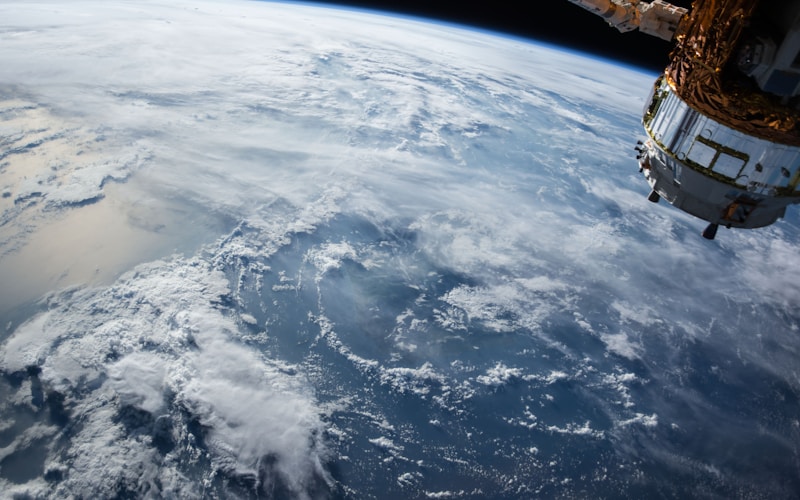
Space tourism has seen its first concrete achievements, but in 2026, it remains an embryonic sector. SpaceX completed the Inspiration4 (2021) and Polaris Dawn (2024) missions, sending civilians into Earth orbit. Blue Origin offers suborbital flights lasting a few minutes with New Shepard, at a cost of approximately $200,000 to $300,000 per ticket.
The most ambitious space hotel project is Voyager Station, led by Above: Space Development Corporation (formerly Orbital Assembly Corporation). This project envisions a station in orbit at an altitude of 400 km, with artificial gravity generated by rotation. However, in 2026, the project remains conceptual, and no firm construction timeline has been confirmed.
SpaceX is working on Starship, the largest rocket ever designed, which could significantly reduce the cost of accessing orbit. A Starship flight could theoretically carry several dozen passengers, making orbital tourism more accessible in the long term. However, Starship is still in its testing phase.
Virgin Galactic completed its first commercial suborbital flights in 2023 but suspended operations to develop a new vehicle, the Delta Class, scheduled for 2026. Tickets were sold at $450,000 for a few minutes' flight reaching the edge of space (80 km altitude).
The 'Overview Effect'—the emotional shift in perspective experienced by astronauts seeing Earth from space—is confirmed by civilian passengers. William Shatner (Star Trek), a Blue Origin passenger in 2021, described the experience as 'profoundly moving'.
Significant challenges remain: prohibitive costs, safety risks, the environmental impact of launches, and the absence of a comprehensive international legal framework for commercial space tourism. The market is estimated at a few billion dollars, far from the optimistic projections of $100 billion that have been circulating.