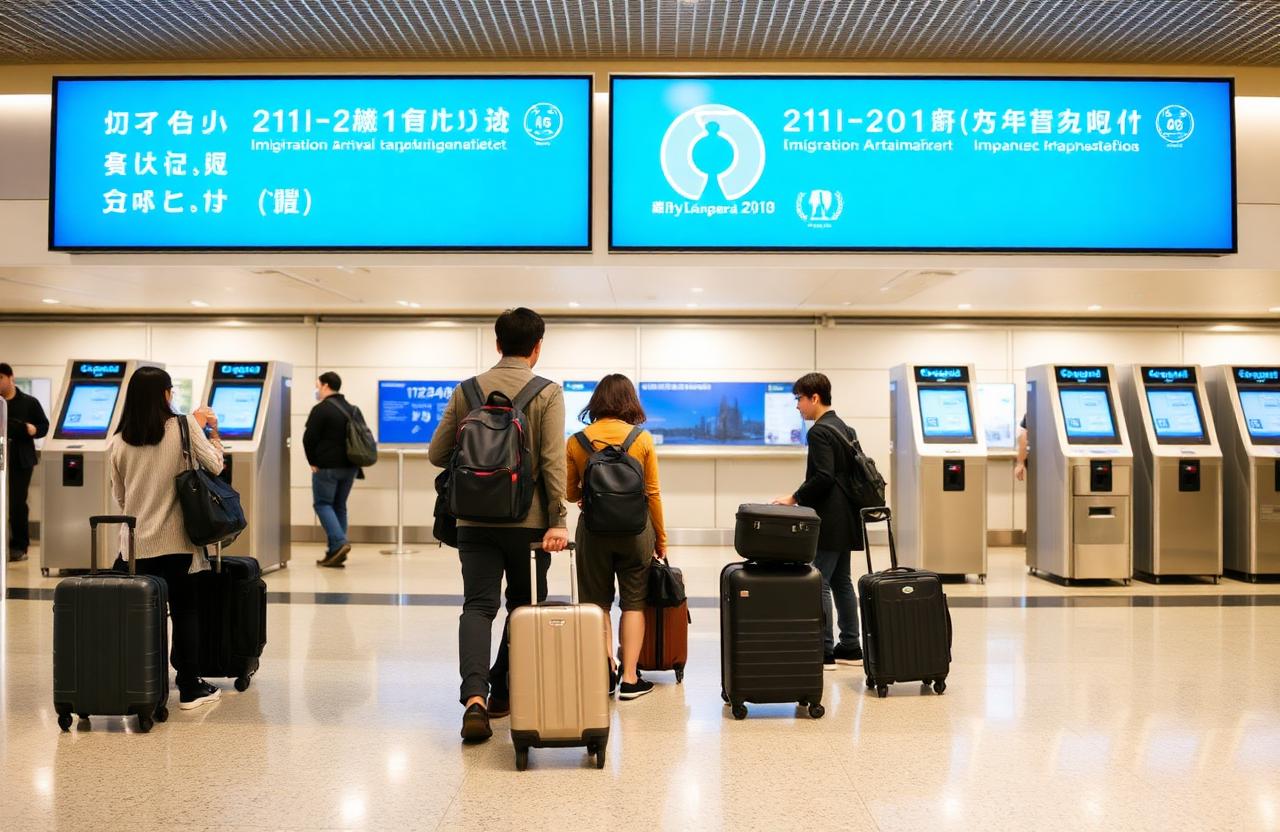
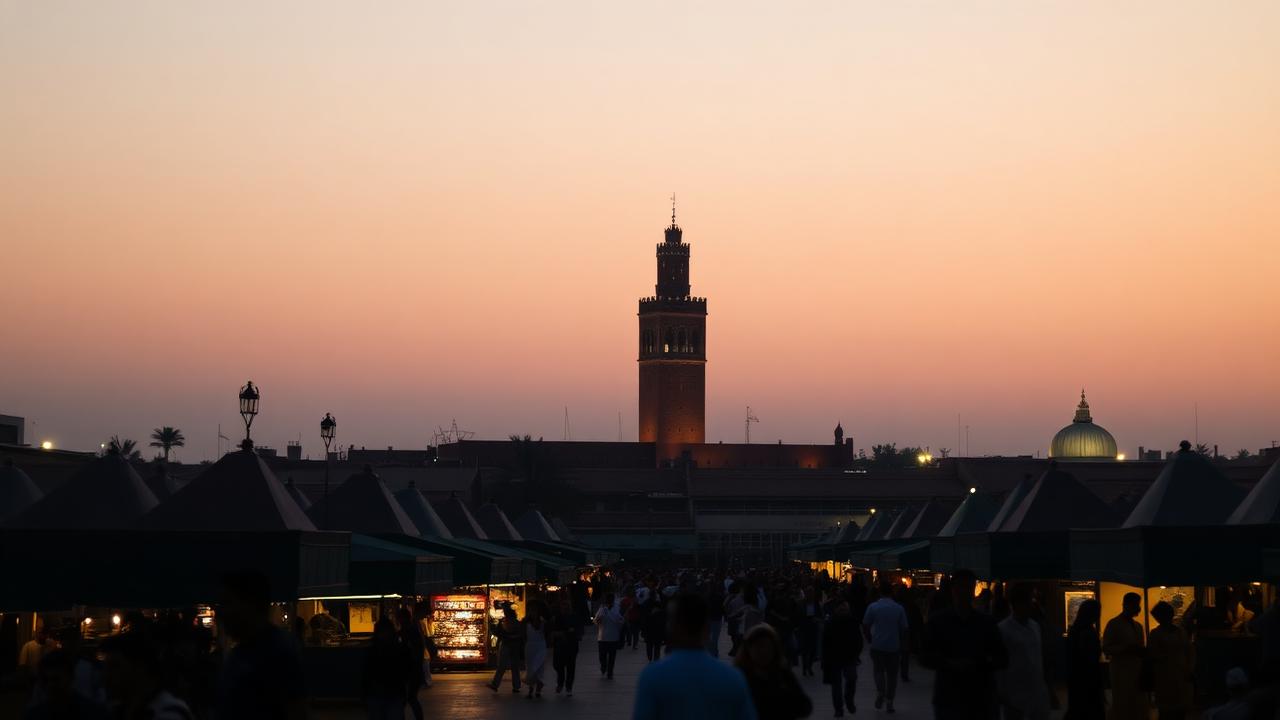
Moroccan tourism is setting a new record. The Moroccan National Tourist Office (ONMT) announced on Friday, June 5, that international arrivals for the second quarter of 2026 have already reached 5.8 million, a 14% increase year-on-year, and that the annual trajectory is likely to exceed 20 million visitors for the year—a historic first for the Kingdom.
Three Convergent Drivers
The surge is driven by three simultaneous factors. Firstly, the waiting effect of the 2030 World Cup, co-hosted with Spain and Portugal, for which Morocco will host six host cities (Casablanca, Rabat, Marrakech, Tangier, Fez, Agadir). Infrastructure investments—the expansion of Casablanca's Mohammed V Airport, the renovation of the Hassan II stadium under construction in Benslimane (115,000 seats), and the modernization of Tangier Med—are focusing international attention on the destination.
Secondly, the commercial opening of the Casablanca-Marrakech high-speed train line in March 2026, which reduces the journey time to 2 hours and 10 minutes, down from the previous 3 hours and 30 minutes. The line, an extension of the Al-Boraq inaugurated in 2018 between Tangier and Casablanca, changes the logistical equation for visitors and the combinability of stays between the Atlantic coast, the Atlas Mountains, and the Sahara.
Finally, the expansion of Royal Air Maroc's network, which has opened new direct routes to Sao Paulo, Boston, Beijing, and Bangkok since January and is expected to receive the first Boeing 787 and Airbus A220 from the historic order placed at the end of 2024 by the end of 2027.
Key Figures from the Moroccan Spring
- 5.8 million international arrivals in Q2 2026.
- +14% year-on-year growth.
- 20 million: annual target now achievable, compared to 17.4 million in 2024.
- 2h 10m: travel time on the Casablanca-Marrakech high-speed train since March 2026.
- 115,000 seats: planned capacity of the future Grand Stade Hassan-II in Benslimane (Casablanca region).
- France: leadingS source market, ahead of Spain and the United Kingdom.
France, the Leading Market—and Concerns About Shortages
France remains by far Morocco's largest source market, accounting for about 30% of international arrivals. However, the influx raises operational questions: the riads and guesthouses in Marrakech, Essaouira, and Chefchaouen are now showing occupancy rates above 80% for six consecutive months, and average nightly prices have increased by 22% over the past year. The shortage of certified driver-guides and qualified hotel staff is becoming a structural bottleneck for the sector.
The Moroccan Ministry of Tourism, led by Fatim-Zahra Ammor, has confirmed a plan to train an additional 150,000 employees by 2030 in hotel, restaurant, and guiding professions, in partnership with OFPPT and several international hotel schools.
Structuring Tourism Diplomacy
Within the Francophonie, Morocco is pursuing a distinct strategy: that of a secure tourist hub with modern infrastructure and air connectivity above the regional average. For the Moroccan diaspora in Europe and Canada—between 5 and 6 million people according to consular estimates—the new high-speed train and air links facilitate return and business tourism, which increasingly contributes to national revenue.
To Remember
- 5.8 million international arrivals in Morocco in Q2 2026 (+14%).
- 20 million visitors targeted for the full year 2026.
- Three drivers: 2030 World Cup, Casablanca-Marrakech high-speed train line, new Royal Air Maroc routes.
- France: leading source market (~30% of arrivals).
- 150,000 tourism jobs to be trained by 2030—a bottleneck to be resolved.