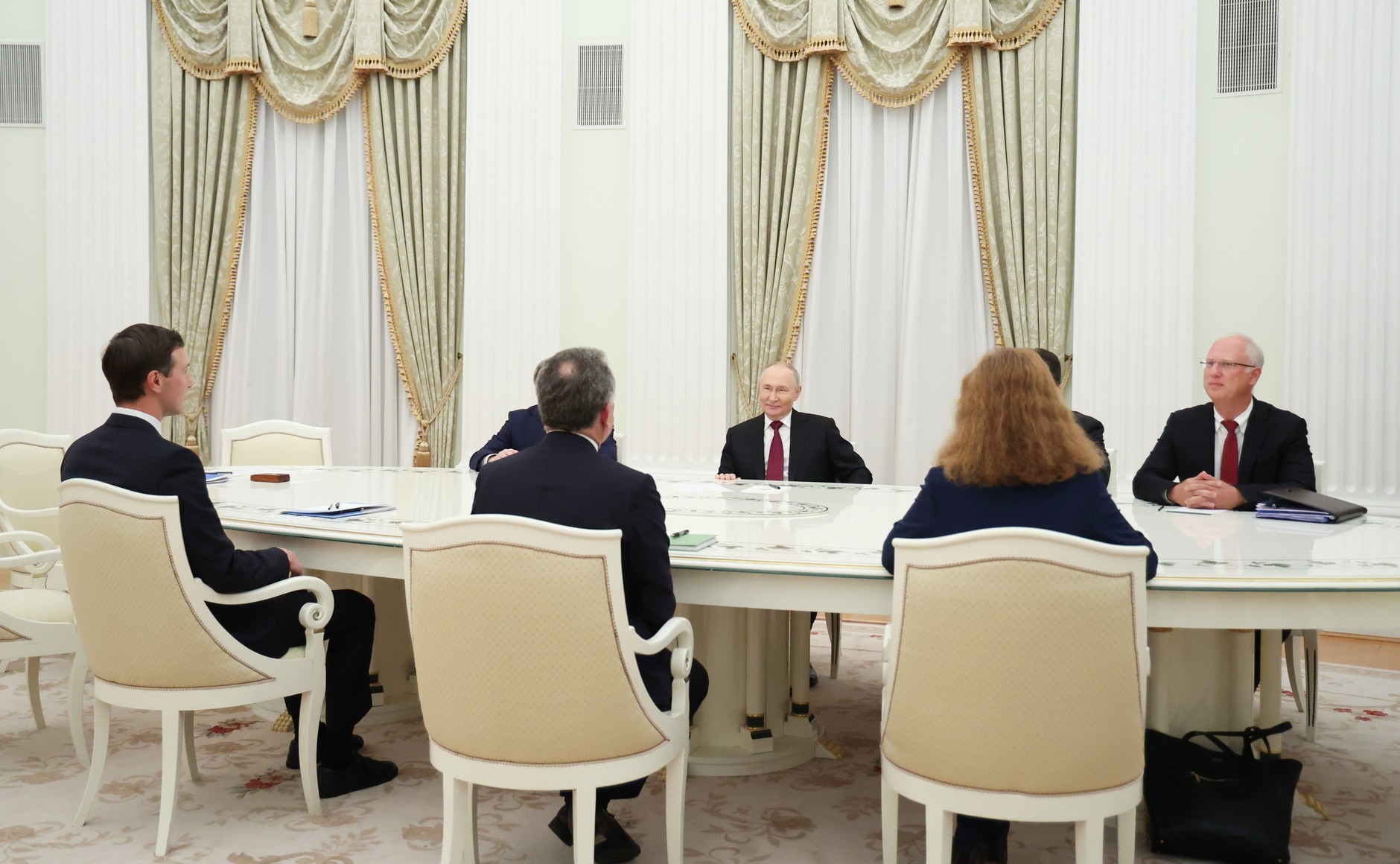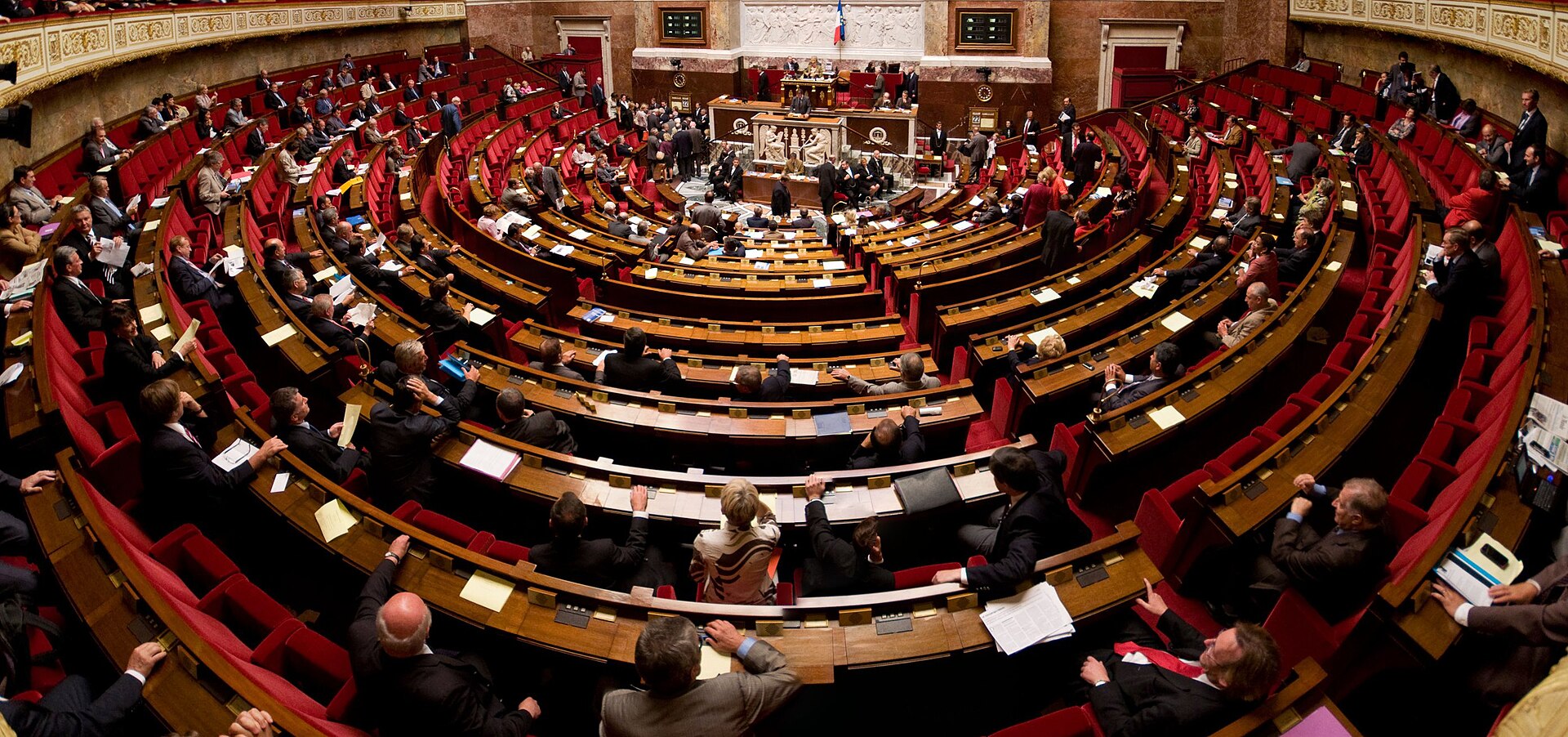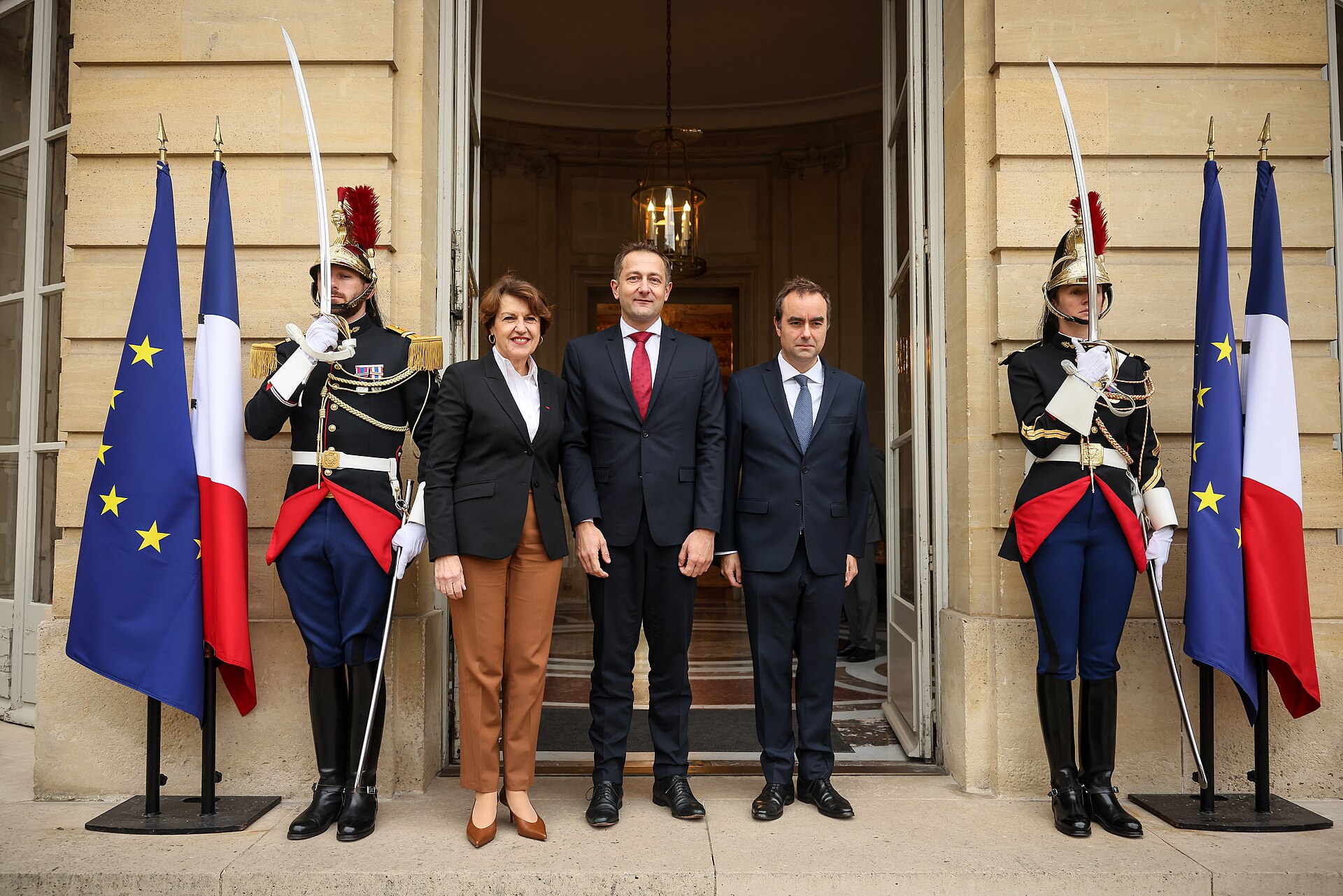
Last week, Donald Trump raised US customs duties on cars and trucks imported from the European Union from 15% to 25%, unilaterally breaking the trade agreement negotiated in August 2025. Official reason: Brussels' failure to meet its commitments. Real reason, revealed by Washington with disconcerting frankness: several European countries refused to send their naval forces to support the American operation to force open the Strait of Hormuz. Trade policy and military policy have merged.
The August 2025 Agreement: Short-Lived Trade Peace
In August 2025, after long months of negotiations, Washington and Brussels had concluded a framework agreement governing their trade exchanges. The EU agreed to remove its own tariffs on American industrial products in exchange for a ceiling of 15% on the majority of European imports into the United States — including cars, medicines, and industrial goods. It was a fragile balance, but hailed as a welcome armistice in the trade war that had been ongoing since the advent of the America First policy.
This balance has shattered. Trump announced the tariff increase to 25%, accusing the EU of not honoring its commitments. European capitals rejected this accusation: according to Brussels, the implementation of the agreement required coordination between member states, which had caused natural administrative delays. But the real explanation is more brutal: Washington explicitly linked the tariff increase to the refusal of several European governments to send their navies to support the American operation in the Strait of Hormuz. Trade has become a weapon of political coercion.
Germany in the Front Line, Italy Stunned
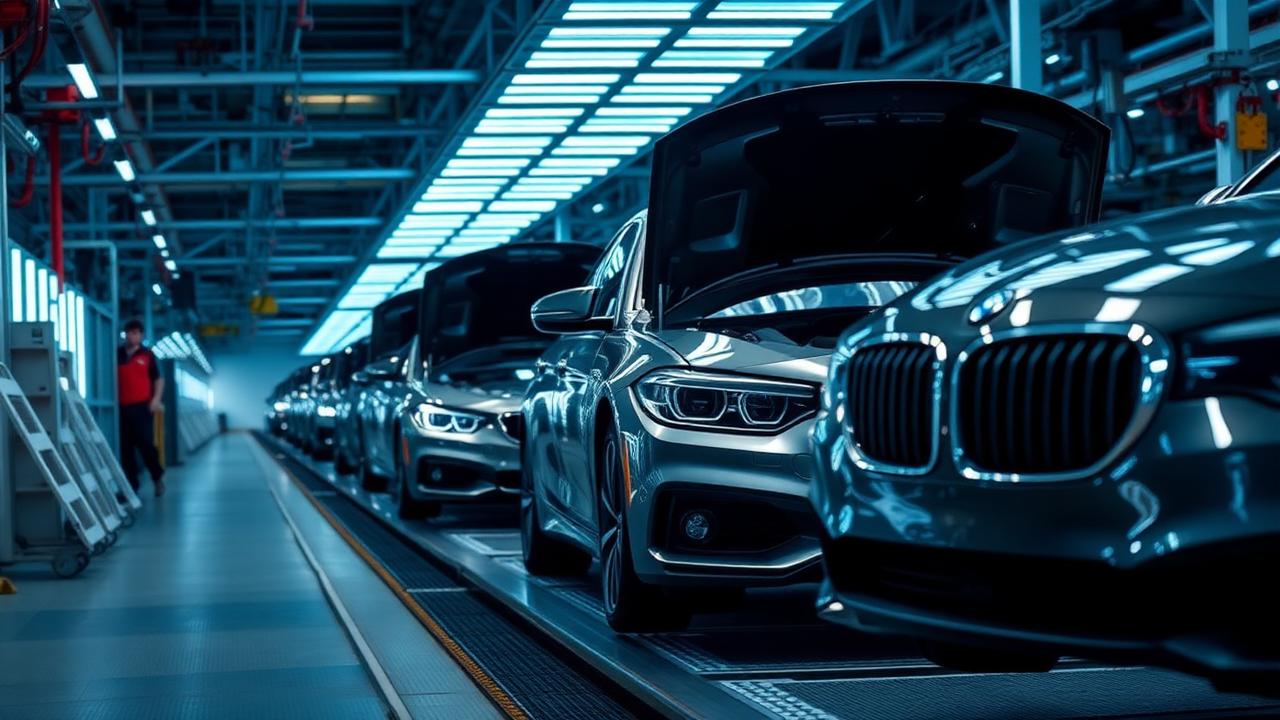
Germany bears the brunt of the shock. BMW, Mercedes-Benz, Audi, Porsche, and Volkswagen export heavily to the United States, the world's largest single automotive market. These groups had already suffered the initial 25% tariffs imposed in 2025 before they were reduced to 15% thanks to the August agreement. A return to 25% represents a considerable additional drain on their margins, in a sector already under pressure from the electric transition, massive Chinese subsidies, and the erosion of their market share in China itself.
Italy is not spared: Ferrari, Lamborghini, and Alfa Romeo are also exposed. Giorgia Meloni, long presented as Trump's most loyal European ally, has seen their relationship deteriorate since the beginning of the Iranian crisis. Her Foreign Minister Antonio Tajani deemed Trump's attacks against Pope Leo XIV "neither acceptable nor useful to the cause of peace" — a further sign of a deep transatlantic rift.
"This latest decision shows how unreliable a partner the United States has become. This is not how you treat close partners," reacted Bernd Lange, chairman of the European Parliament's trade committee.
The American Consumer: First Victim of Tariffs
While the tariffs primarily weigh on European exporters, it is ultimately the American consumer who foots the bill. The Tax Foundation has calculated that all of Trump's tariff measures in his second term represent an effective tax increase of $1,500 per American household in 2026, on average. For premium European cars, the increase will be particularly noticeable: a BMW or Mercedes imported from Germany will see its price increase by several thousand dollars.
On a macroeconomic level, J.P. Morgan estimates that Trump's tariffs represent the largest US tax increase as a proportion of GDP since 1993. The Tax Foundation estimates that permanent Section 232 tariffs will reduce US GDP in the long term by 0.3% before any foreign retaliation. The IMF has calculated that a universal 10% increase in US tariffs, accompanied by retaliation from the EU and China, could shave 0.5% off global GDP by the end of 2026.
The Supreme Court and the Limits of Tariff Power
The legal context adds a layer of uncertainty. In February 2026, the US Supreme Court invalidated tariffs imposed under the International Emergency Economic Powers Act (IEEPA), forcing the administration to fall back on Section 232 tools (national security) to legally justify its customs duties. It is precisely this legal basis that underpins the 25% tariffs on European automobiles — a legal solidity that Washington claims, but Brussels disputes.
Europe Between Submission and Strategic Awakening
Brussels is considering its options for retaliation, but the calculation is complex: any trade escalation with the United States amid the Iranian crisis, a few months before the US midterm elections, carries considerable risks. The European Union finds itself in an uncomfortable position: it can neither yield without betraying its industries nor retaliate without accentuating a transatlantic rift that primarily benefits China. Some manufacturers, anticipating the lasting deterioration of relations, are accelerating their investment plans in the United States to produce locally — which is precisely Washington's stated objective.
Editorial Opinion
This tariff increase is a brutal revelation of a new reality: Trump's trade policy is no longer separable from his foreign and military policy. Customs duties are being used as a lever for diplomatic coercion — punishing allies who do not support his military operations, rewarding those who align themselves. It is a vision of international trade that abolishes the border between economic partnership and geopolitical alliance. For Europe, the lesson is painful but necessary: the era of comfortable dependence on the American umbrella, both military and commercial, is over. The European Union will have to choose between a stance of gradual submission and the construction of genuine strategic autonomy.
Key Takeaways
- Trump has raised tariffs on EU automobiles and trucks from 15% to 25%, breaking the August 2025 trade agreement.
- Explicit reason: refusal of European countries to send their navies to support the US operation in the Strait of Hormuz.
- First lines affected: BMW, Mercedes-Benz, Audi, Porsche, Volkswagen, Ferrari.
- Average cost for an American household: +$1,500 in 2026 (Tax Foundation).
- The Supreme Court invalidated IEEPA tariffs in February 2026 — new measures are based on Section 232.
- The EU is considering retaliatory measures but risks a transatlantic rift profitable to China.