The 2026 report from the Water Resources Institute (WRI), published in Washington, confirms a trend that researchers have been documenting for fifteen years: more than 4 billion human beings now live in areas subject to severe water stress for at least one month per year. According to UN nomenclature, the stress threshold is defined by water withdrawal exceeding 40% of available renewable resources. At this level, arbitrations between agricultural, industrial, and domestic uses become structurally conflictual.
A Geography of Scarcity
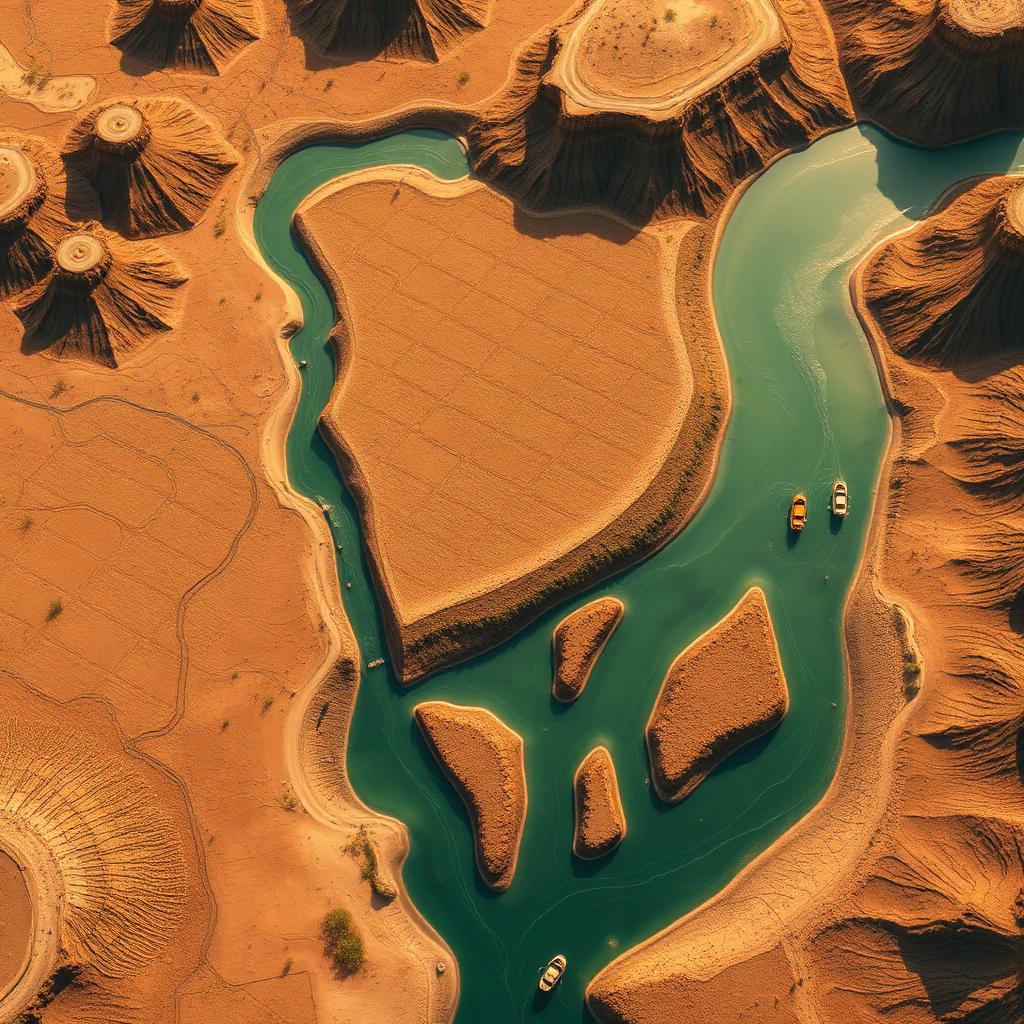
The global water stress map has several well-identified epicenters. In the Middle East, the Tigris and Euphrates basin is suffering the double impact of decreased rainfall and upstream withdrawals (Turkish dams of the GAP project). Syria and Iraq are seeing their resources collapse; historical levels of Lakes Tharthar and Habbaniyah have been progressively lowered each year since 2020.
In Southern Europe, Italy's Po Valley experienced its worst drought in 200 years in 2022-2023; the situation remained tense in 2024-2025, and the 2026 season is already opening with an alpine snow deficit. The Iberian Peninsula alternates between extreme episodes and chronic deficits.
In the United States, the Colorado River basin, which supplies seven US states and northern Mexico, sees its reservoir lakes (Mead and Powell) at historically low levels. The 1922 distribution agreement (Colorado River Compact), concluded on an now-obsolete rainfall assumption, is undergoing difficult renegotiations before its 2026 expiry.
In South Asia, the Indo-Gangetic Plain is home to over 800 million people dependent on overexploited aquifers. NASA's GRACE satellite imagery documents an average drop of 1 to 2 meters per year in groundwater levels in the most exposed areas (Indian Punjab, Haryana, Uttar Pradesh).
Key Figures for Water Stress 2026
- 4 billion: people living in severely water-stressed areas for at least 1 month per year (WRI).
- 2 billion: people without regular access to safe drinking water (WHO / UNICEF).
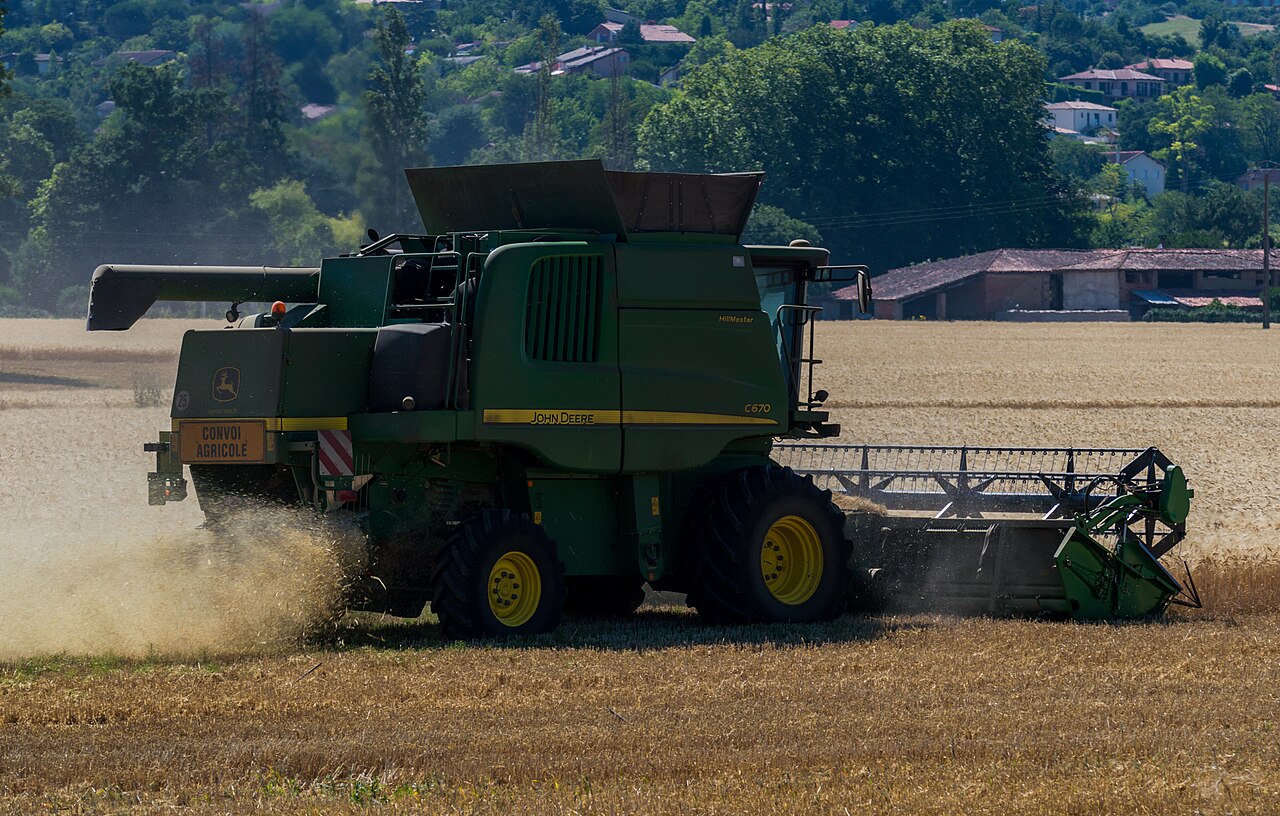
- 70%: share of global freshwater used by agriculture.
- 27: countries classified as having extremely high water stress (WRI Aqueduct).
- -20%: average projected decrease in freshwater resources in the Mediterranean by 2050 (IPCC).
- 20 billion m³: global installed desalination capacity in 2025 (up 70% in ten years).
- €1 billion: French allocation of the Water Plan (2023) for 2024-2030.
France is Not Immune
Metropolitan France, long spared from images of extreme drought, is seeing its water equation tighten. The Water Plan launched in March 2023 sets a target of reducing water withdrawals by 10% by 2030. France experienced massive departmental restrictions in 2022 and 2023, and the 2025 assessment remains tense in the Mediterranean arc, the Southwest, and—newly—in several historically wet northern basins.
Usage conflicts are multiplying: the contested *bassins* (reservoirs) in the Marais Poitevin, the arbitration between agriculture and drinking water in Lot-et-Garonne, tensions around the Doubs or the Loire during low flow periods. Basin governance (water agencies, SAGE, SDAGE), inherited from the Pisani and Ohnet laws, is at a moment of refoundation.
Adaptation Levers
The response to water stress involves five complementary levers. First lever: usage sobriety, with very uneven progress across sectors (industry has reduced its consumption by about 20% in France since 2000, agriculture much less). Second lever: modernization of networks, where distribution losses remain considerable (15 to 25% on average in Europe, up to 40% in some southern regions).
Third lever: reuse of treated wastewater (REUT), still marginal in France (less than 1%, compared to 14% in Spain, 80% in Singapore). Fourth lever: desalination, whose global capacity has increased by 70% in ten years, but remains energy-intensive and locally contested for its environmental impacts. Fifth lever: artificial groundwater recharge, a technique proven in Israel, California, or Spain, which could offer France significant room for maneuver in several basins.
> « Water is no longer an abundant resource. It is a strategic asset, and we will have to learn to manage it as such. » — Audrey Azoulay, Director-General of UNESCO, World Water Forum, Riyadh, May 2024.
To Remember
- 4 billion humans live in severe water stress for at least one month per year.
- Four epicenters: Tigris-Euphrates, Po Valley, Colorado Basin, Indo-Gangetic Plain.
- 70% of global freshwater is tapped by agriculture.
- France: Water Plan target of -10% withdrawals by 2030.
- Five levers: sobriety, networks, REUT, desalination, aquifer recharge.
- Water is becoming a strategic asset and a major diplomatic issue.