It's a phrase on the lips of all cereal farmers this summer: unprecedented. According to initial official estimates published Wednesday by the Ministry of Agriculture's statistical service, Agreste, the French common wheat harvest is expected to reach 31.996 million tonnes in 2026, a 4% decrease compared to the previous year, and approximately 2% below the 2021-2025 average.
More area, less yield
This decline is not due to farmers disengaging: the area dedicated to common wheat actually increased by 2.8% year-on-year, reaching nearly 4.61 million hectares. It is the average yield that collapsed, falling from 74.2 quintals per hectare in 2025 to 69.3 quintals this year, a 6.6% drop. In short, farmers cultivated more land but ultimately harvested proportionally less.
Climate in the dock
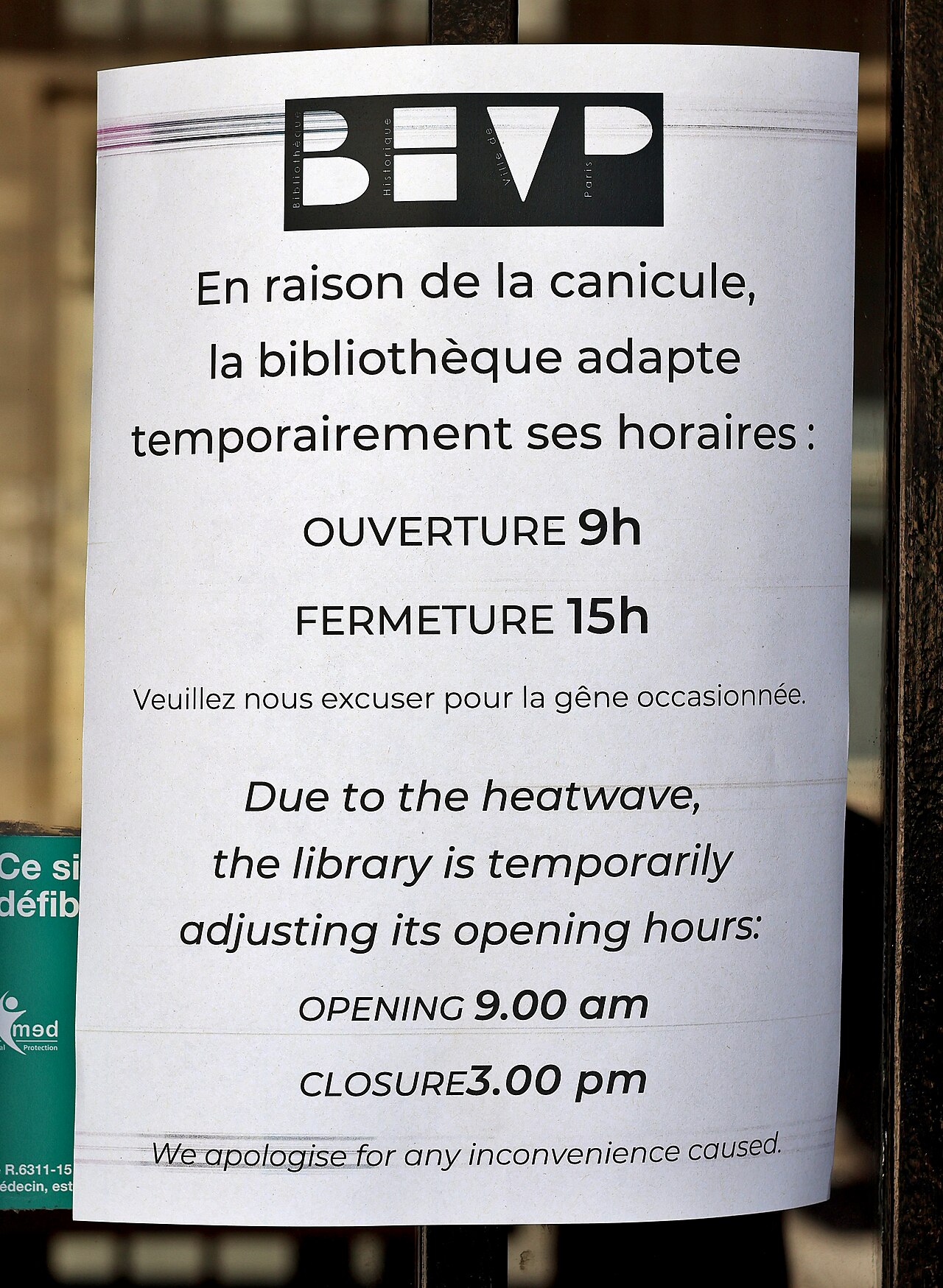
The cause lies with climate change. Between June 17 and 30, 2026, France experienced an early, prolonged, and exceptionally intense heat episode: June 2026 became the hottest June ever recorded in the country, with an average temperature exceeding the 1991-2020 reference normal by 3.8 °C. At the same time, the national precipitation deficit nearly reached 50%.
When heat strikes during the grain-filling phase, the plant has less time to transfer its reserves, which reduces its average weight — and thus the yield per hectare — without necessarily degrading the quality of the grain itself.
A disrupted calendar
A direct consequence of this extreme weather: a completely disrupted harvest calendar. “Harvests that, by July 14, are almost finished everywhere, except in northern France — which is quite normal for them — that has never happened,” marveled Benoît Piétrement, president of the interprofessional organization Intercéréales, to AFP. In the Marne region, where he himself farms land, the cereal farmer describes an unprecedented sequence: drought from April, then an initial heatwave episode in late May-early June, followed by two additional waves until mid-July. On the most superficial soils, the situation is described as a “real disaster.”
Exports and fire safety
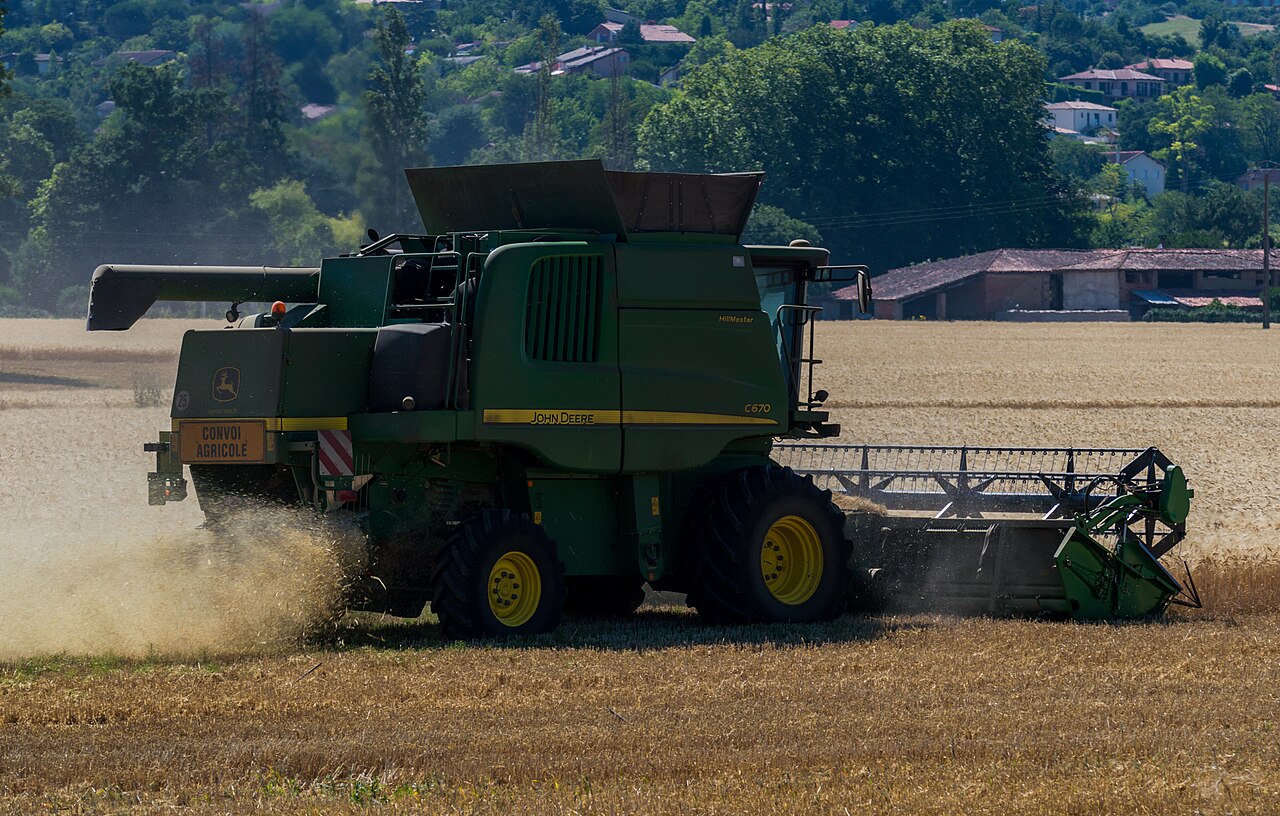
Commercially, France, Europe's leading cereal power, should still maintain its ability to export more than 14 million tonnes of wheat during the 2026-2027 campaign, including approximately 7 million to non-EU countries — a volume that is nevertheless slightly down, particularly due to an expected good harvest in Morocco. Agricultural sectors also point out that these early harvests took place under sometimes dangerous conditions, with some departments imposing restrictions on the use of combine harvesters, as the slightest spark could trigger a fire.
The editorial board's opinion
Beyond the figures, this 2026 harvest confirms a fundamental trend: the French agricultural calendar is inexorably shifting earlier due to global warming, while yields become more dependent each year on unpredictable end-of-cycle weather. The paradox is striking: more cultivated land for a smaller harvest. This equation directly affects food security and agricultural incomes.