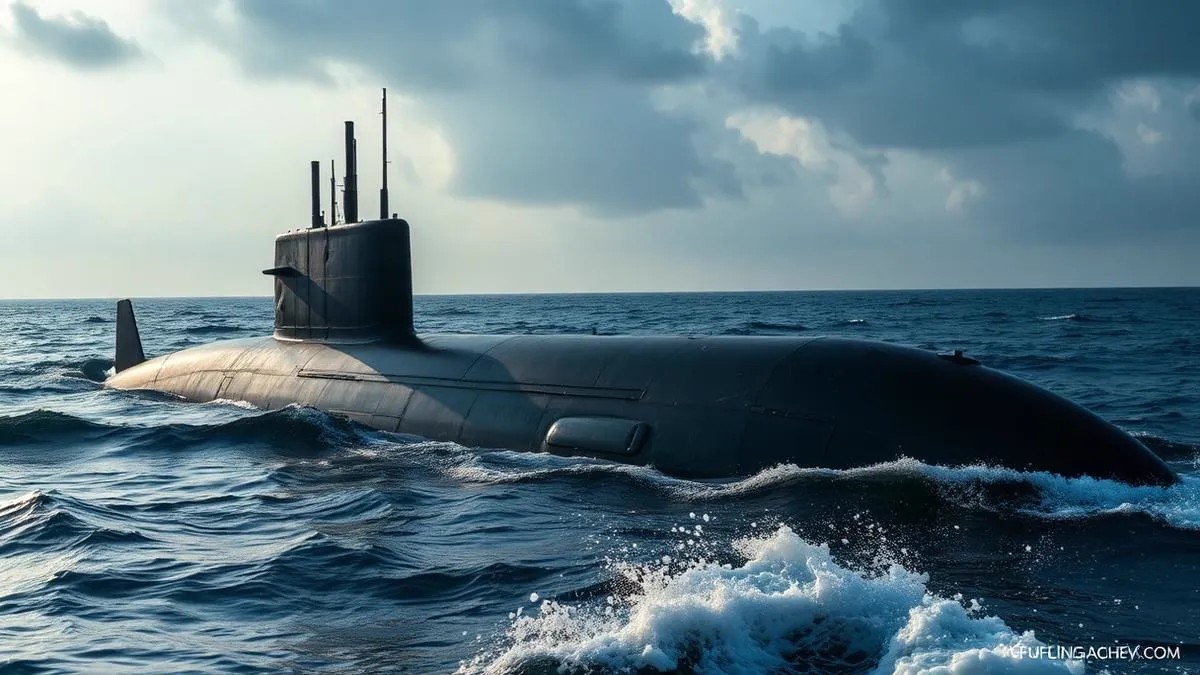
The news sent shockwaves through the world's chanceries. The Pentagon confirmed this Saturday, April 5, that a Virginia-class nuclear-powered attack submarine torpedoed and sank the Iranian frigate IRIS Sahand in the Indian Ocean, approximately 200 nautical miles south of the Strait of Hormuz. This marks the first offensive use of a torpedo by the US Navy since the sinking of the Japanese cruiser Haguro in May 1945.
According to the Pentagon spokesperson, the Iranian vessel had been "formally warned multiple times" not to approach a US carrier strike group operating in the area. The frigate allegedly ignored the warnings and "adopted threatening behavior," pointing its weapon systems towards the aircraft carrier USS Dwight D. Eisenhower. The submarine commander made the decision to fire after authorization from the chain of command.
The crew of the Iranian frigate – approximately 140 sailors – were largely rescued by coalition ships and Omani navy vessels present in the area. The provisional casualty count reports 12 Iranian sailors killed and 23 wounded. Iran has denounced a "state-sponsored act of piracy" and has summoned the ambassadors of all countries participating in the US-led naval coalition.
For naval strategy experts, this event is a historical marker. "The submarine is the weapon of silent deterrence. Using it offensively sends a message of extreme symbolic violence: the United States is ready to employ the full depth of its arsenal," analyzes Rear Admiral (Ret.) James Stavridis, former Supreme Allied Commander Europe.
The consequences for maritime trade are immediate: Lloyd's of London has raised the war risk premium for the Persian Gulf and the northern Indian Ocean to its highest level since the Iran-Iraq War (1980-1988). Oil companies TotalEnergies, Shell, and BP have suspended all transit of their tankers through the Strait of Hormuz until further notice.