
Retail is undergoing an AI-driven transformation, but promises often clash with economic reality. In April 2024, Amazon removed "Just Walk Out" technology – cashierless stores where customers take items and leave – from the majority of its Amazon Fresh supermarkets in the US. The system, which relied on hundreds of cameras and sensors, proved too costly to maintain and still required over 1,000 human reviewers in India to verify transactions. Amazon is keeping the technology in its smaller Amazon Go convenience stores.
Virtual try-on, on the other hand, is making real progress. Zara launched a "body estimation" tool in its app in 2024, allowing customers to visualize clothes on an avatar matching their measurements. H&M has rolled out a similar feature in some markets. According to a Shopify study (2024), merchants using augmented reality report an average reduction in returns of 25%. However, the overall return rate for fashion e-commerce remains high, around 30% in Europe according to Statista.
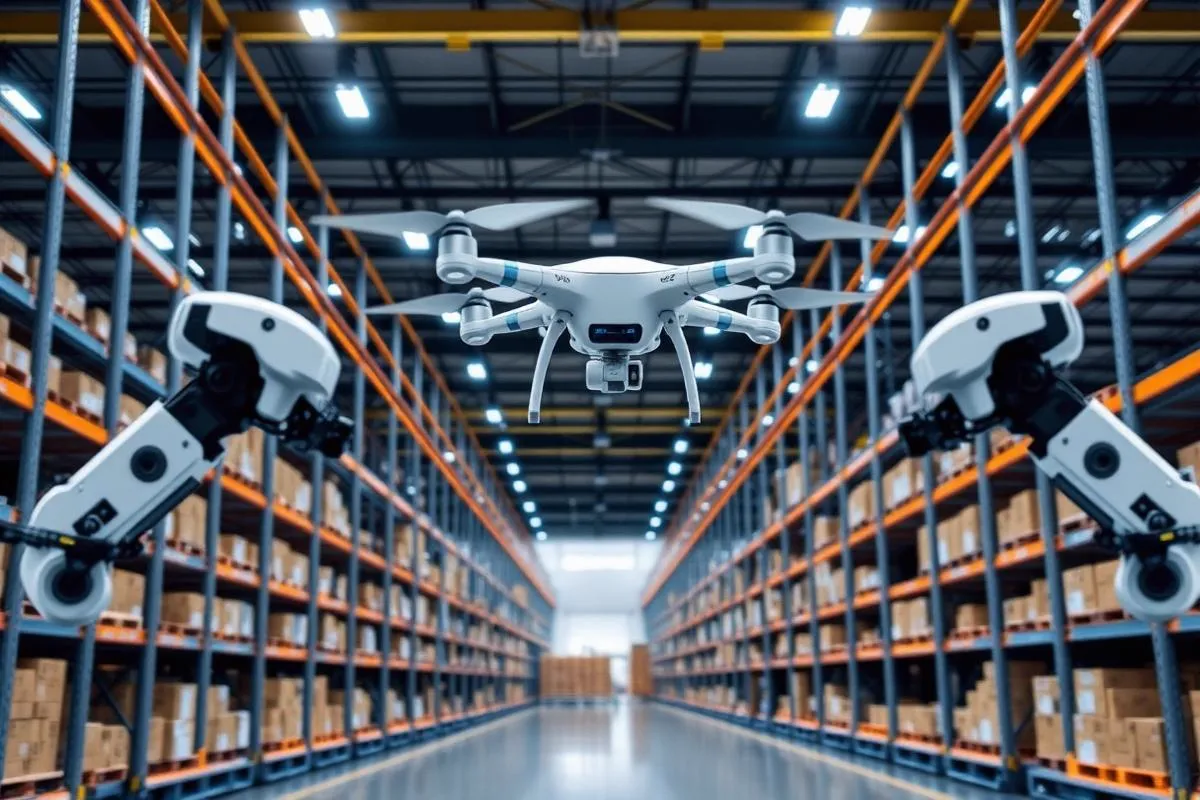
Walmart is the leader in drone delivery in the US. The retailer has completed over 30,000 drone deliveries through its partnerships with Wing (an Alphabet subsidiary) and DroneUp, operating in 36 metropolitan areas. Deliveries involve orders under 5 kg, delivered within 30 minutes, for an additional $3.99. Amazon Prime Air, long touted as revolutionary, still only serves a handful of test cities after repeated delays.
AI-powered recommendations are now a major lever for e-commerce. Amazon attributes 35% of its sales to its recommendation algorithm. Alibaba uses AI to personalize the homepage for each Taobao user in real-time. In France, Cdiscount deployed an AI choice-assistance tool in 2025. However, experts point out that excessive personalization raises privacy and filter bubble concerns.
Physical retail is far from dead. According to the Federation of E-commerce and Distance Selling (Fevad), e-commerce represents 17.4% of retail sales in France in 2025 – meaning over 80% of purchases are still made in stores. Retailers are focusing on "phygital" strategies: click & collect, in-store interactive kiosks, and sales associates equipped with tablets. Decathlon, for example, uses RFID for real-time inventory of 100% of its products.