Global online commerce reached $7.4 trillion in 2025, an 11% increase from the previous year, according to eMarketer. But beyond volumetric growth, it is the very nature of the shopping experience that is being transformed by two converging technological revolutions: autonomous drone delivery and the integration of generative artificial intelligence into the customer journey. In 2026, online shopping is no longer what it was just two years ago. (
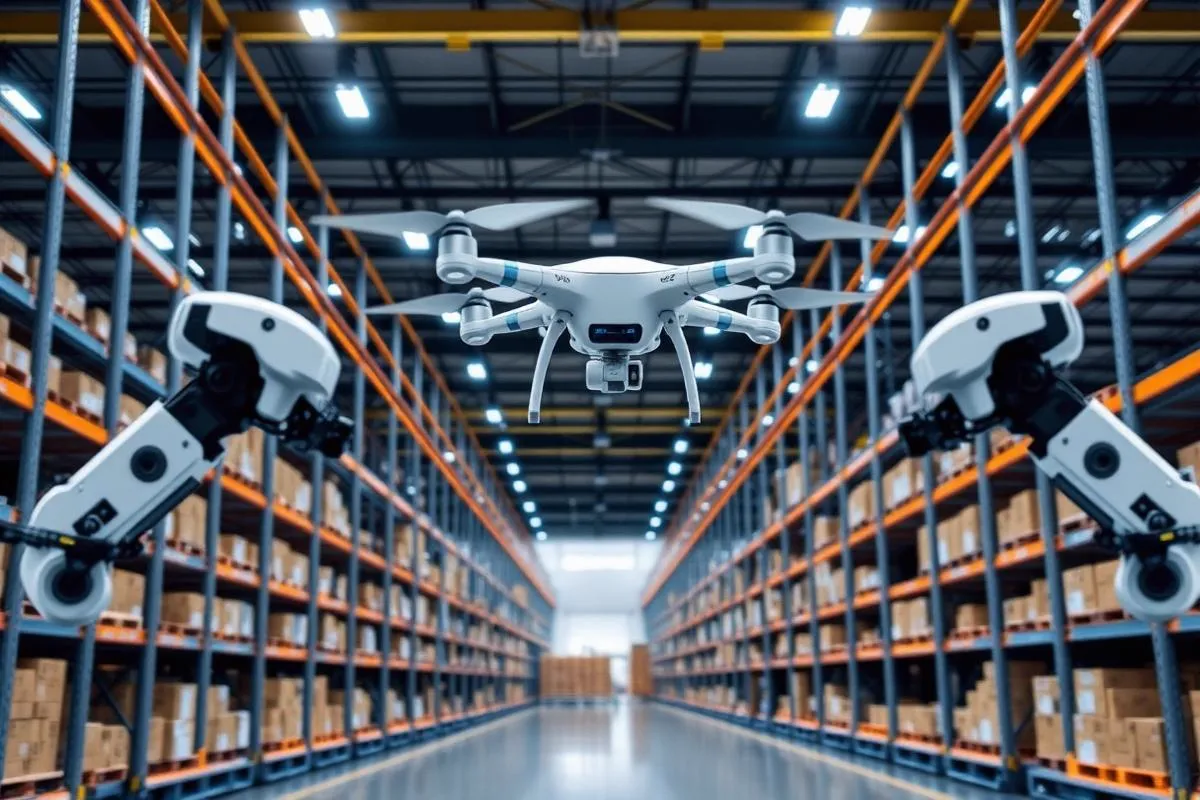
Amazon reached a decisive milestone in March 2026 by launching its Prime Air service in 15 European cities, including Paris, London, Berlin, Madrid, and Milan. The MK30 drones, capable of carrying packages weighing less than 2.3 kilograms over a distance of 24 kilometers, now complete over 50,000 deliveries per week in Europe with an average time of 28 minutes between order and receipt. In France, the General Directorate for Civil Aviation (DGAC) authorized commercial drone delivery flights in urban areas after two years of regulated experimentation. Carrefour, in partnership with the French startup Delair, is testing a similar service in large-scale retail in Toulouse and Bordeaux. (
Generative artificial intelligence is redefining how consumers discover and choose products. Google Shopping has integrated Gemini into its product search, enabling conversational queries such as 'Find me a linen summer dress for a wedding in Provence, budget 200 euros, that goes with gold sandals.' Amazon has deployed Rufus, its AI assistant, across all its European markets: the tool analyzes customer reviews, compares technical features, and recommends alternatives in real time. In France, Cdiscount has launched 'Mon Conseiller IA,' an assistant capable of building a complete shopping cart from a simple description of a need. (
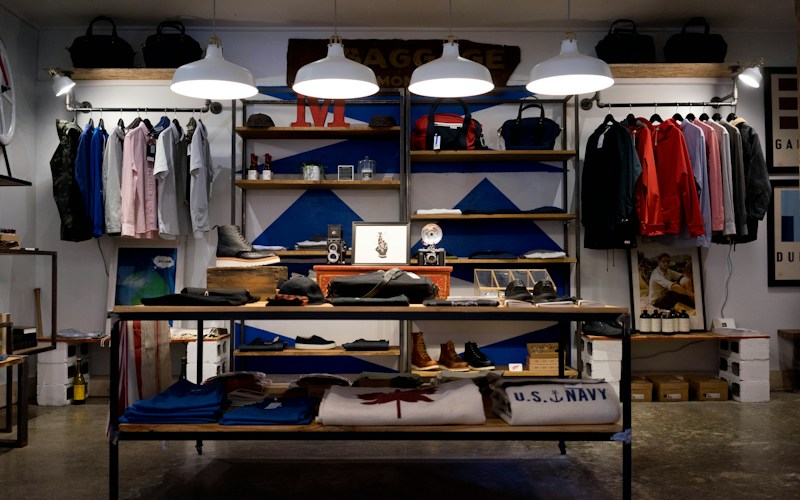
Virtual try-on, powered by computer vision and augmented reality, eliminates one of the last barriers to online shopping: uncertainty about size and appearance. Zalando, the European leader in online fashion, has deployed a 3D try-on tool that scans the user's body via their smartphone camera and superimposes clothing in real time. The return rate—historically the bane of textile e-commerce, at 30% on average—has dropped by 40% for items tried on virtually. IKEA, a pioneer with its Place app, now allows viewing an entire interior design in augmented reality, from sofas to lighting. (
However, the environmental and social stakes of e-commerce remain a concern. The explosion of deliveries generated 4.8 billion parcels in France in 2025, a 15% increase in one year. The carbon footprint of the 'last mile' accounts for 25% of urban logistics sector emissions, according to ADEME. The solution lies in electrifying delivery fleets—Amazon aims for 100% electric vehicles in Europe by 2028—relay points (which reduce the footprint by 40% compared to home delivery), and automated lockers, the number of which has tripled in France in two years. The commerce of tomorrow will be intelligent, instantaneous, and—imperatively—sustainable. (