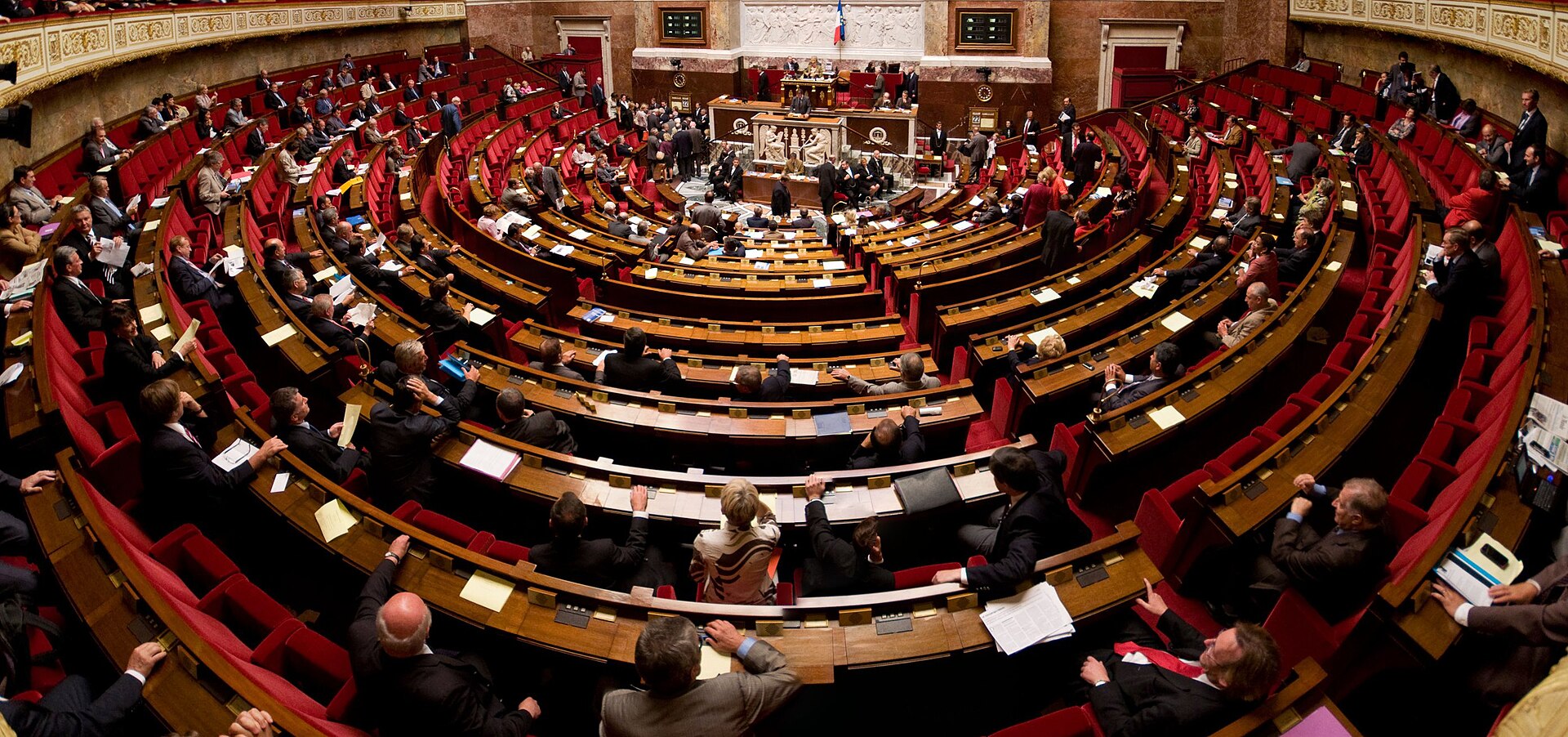
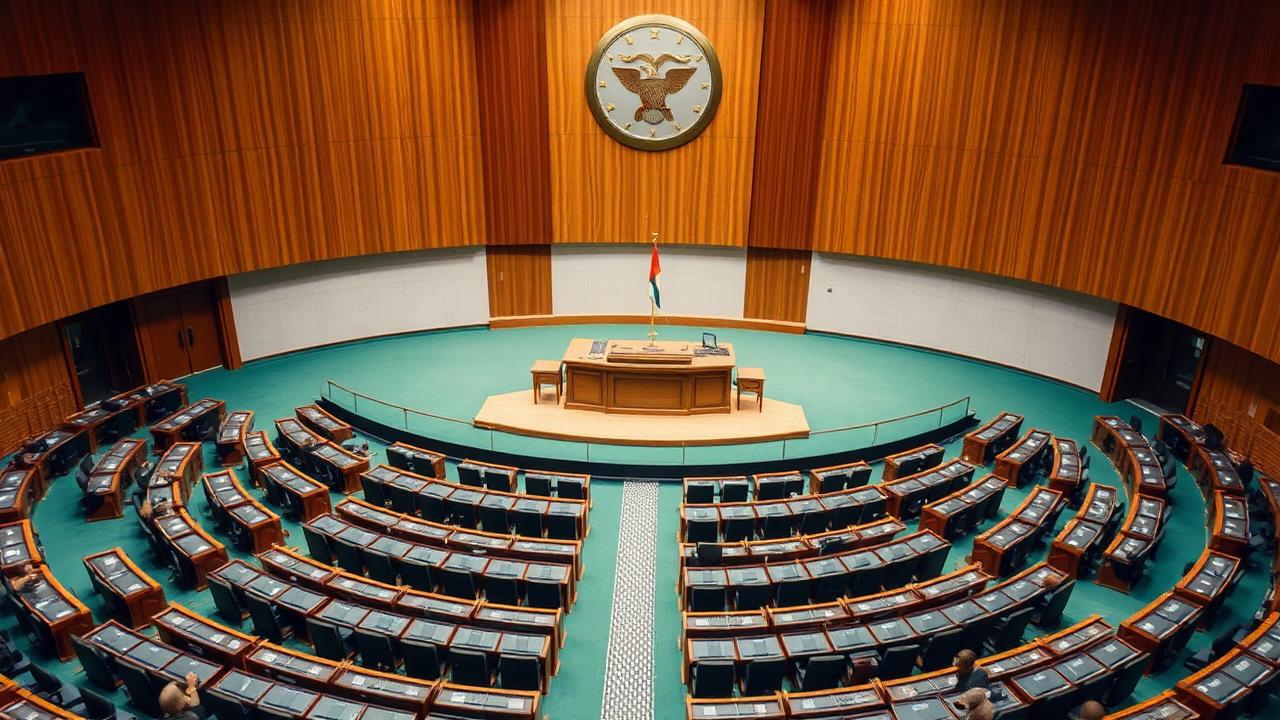
It was in an electric atmosphere that the session opened this Tuesday, May 26, 2026, in the hemicycle of Dakar. Only four days after being dismissed from the prime minister's office by President Bassirou Diomaye Faye, Ousmane Sonko, founder of PASTEF and a central figure of the "rupture project" brought to power in April 2024, was elected president of the National Assembly of Senegal. The score, reported by Le Soleil and Agence Ecofin, was decisive: 132 votes in favor out of 133 cast, in the absence of opposition deputies who boycotted the session. Sonko officially becomes the second-highest personality in the state, just after the head of state.
A Perfectly Oiled Parliamentary Machine
The speed of the counter-offensive reveals the discipline of PASTEF. In less than 48 hours after his dismissal on May 22, the party apparatus activated its parliamentary group and designated Sonko as the natural candidate for the speakership. Reinstated as a deputy following the legislative elections of November 2024, he benefited from the massive support of PASTEF's 130 seats out of 165 in the Assembly. Sonko succeeds El Malick Ndiaye, who resigned on Saturday, May 24, in the name of the "superior interest of the nation"—a phrase that says a lot about the extent of the internal crisis at the heart of the state.
The Sonko–Faye Rift, Epicenter of a Political Earthquake
To understand the sequence, one must go back to the growing tensions between the two figures of the duo that had conquered power in April 2024. Bassirou Diomaye Faye, elected president a few days after his release from prison, had appointed Sonko—his political mentor—as prime minister. Two years later, their disagreements on governance, power-sharing, and the regime's economic orientation finally cracked their relationship. On May 22, Faye made his decision: Sonko was dismissed, and Ahmadou Alhaminou Lo was appointed as the new Prime Minister. Many saw this as the culmination of a covert cold war that the two men had been struggling to conceal for months.
Opposition Cries "Institutional Coup"
The election session was marked by the absence of the opposition, which denounced, through the voices of several of its leaders cited notably by Senenews, an "institutional masquerade" and a "parliamentary coup" aimed at consolidating a PASTEF power they already deemed hegemonic. Other analysts, conversely, emphasize that the procedure is strictly constitutional: Sonko is a deputy, his party holds the majority, and the election was held by secret ballot in accordance with the Assembly's rules. Nevertheless, the boycott deprives the ballot of some of its symbolic weight.
An Unprecedented Power-Sharing Within the Same Party
Senegal now enters an unprecedented political period: a President of the Republic and a President of the National Assembly from the same party, whose relations have turned into open hostility. In his inaugural address, Sonko alluded to "divergences" at the heart of the state, while commending the "patriotic spirit" of his predecessor Malick Ndiaye—a measured, almost presidential speech, suggesting that he intends to establish his new speaker role for the long term and make it a check on executive power. The Faye-Sonko era is not over, but its nature has changed.
Editorial Opinion
What Senegalese politics has just written in four days would make the most ambitious screenwriters blush. Dismissed on a Friday, president of the National Assembly the following Tuesday: Sonko did not fall; he bounced back with a staggering resilience. But beyond the spectacle, this sequence raises a serious question: if the two architects of the "rupture project" cannot govern together, who will embody that project? Senegal deserves better than a fratricidal war at the top. History will judge quickly.
Key Takeaways
- Ousmane Sonko elected president of the National Assembly on May 26, 2026, four days after his dismissal from the prime minister's office.
- 132 votes in favor out of 133 cast, with the opposition boycotting the session.
- Sonko succeeds El Malick Ndiaye, who resigned on May 24 in the name of the "superior interest of the nation."
- Ahmadou Alhaminou Lo appointed Prime Minister by Bassirou Diomaye Faye on May 22.
- Unprecedented power-sharing within the same PASTEF party, with two centers of power emerging from the same camp.