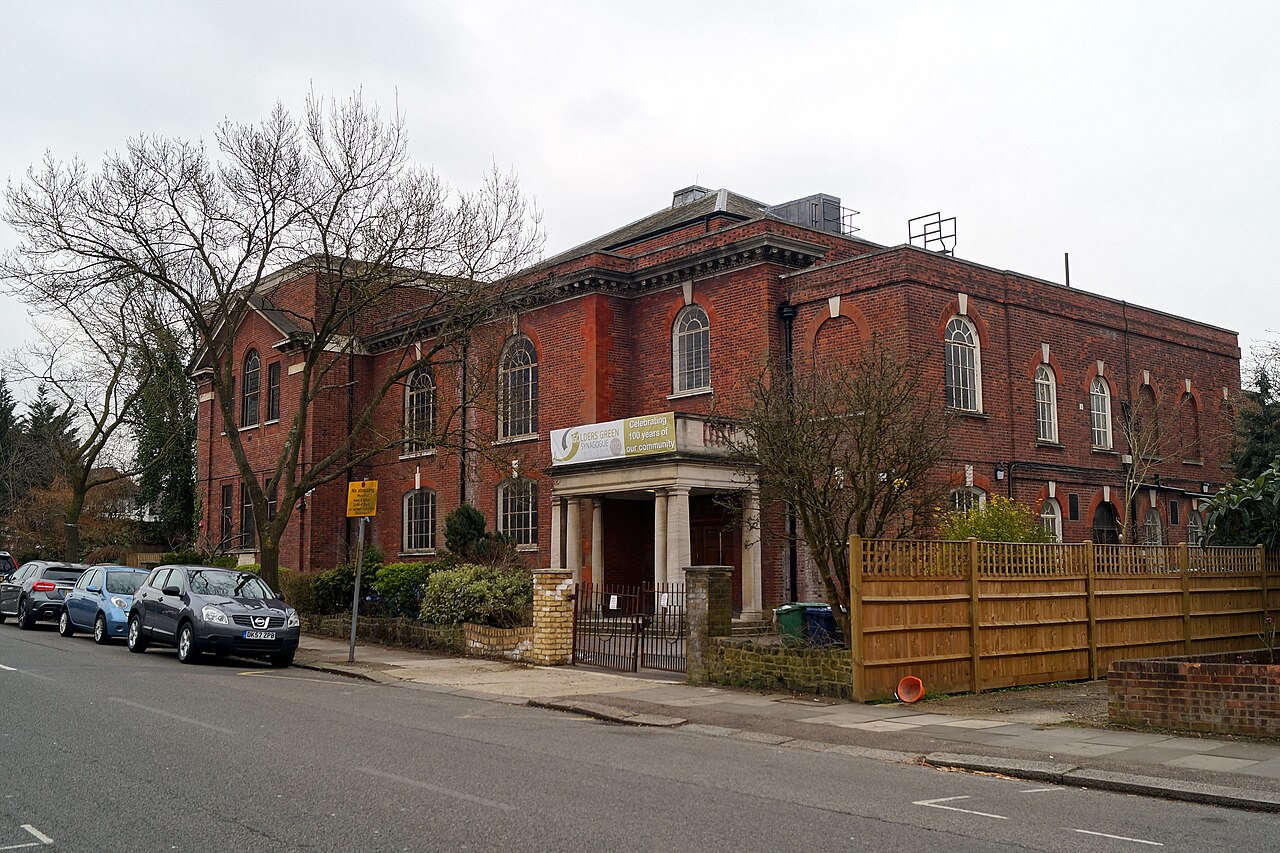
The sequence of events is grim. On Wednesday, April 29, 2026, in the mid-afternoon, a 45-year-old man armed with a knife attacked two passersby on the main street of Golders Green, the historic heart of the British Jewish community in North London. The two victims – two Jewish men – were seriously injured and hospitalized in stable condition. The assailant, neutralized by the Metropolitan Police a few minutes later, was taken into custody and charged on Thursday morning, April 30, 2026. Counter-terrorism police, led by Mark Rowley, confirmed the attack is being treated as "a terrorist act motivated by antisemitism."
A Suspect Known to Authorities Since 2020
The most embarrassing element for the government emerged Thursday morning: according to Scotland Yard, the suspect – a UK-born national – had been reported to the "Prevent" program, a government initiative to counter radicalization, as early as 2020. The referral was classified as "unfounded" at the time due to insufficient evidence. This revelation immediately sparked political controversy: Conservative opposition leader Kemi Badenoch accused the Labour government of "dropping its guard" on domestic security issues. Several voices within the Jewish community – notably the Board of Deputies of British Jews – are demanding a complete overhaul of the Prevent program, deemed "unsuitable for the new nature of threats."
£25 Million Emergency Funds for Community Security
It is in this context that Home Secretary Shabana Mahmood and Prime Minister Keir Starmer announced on Thursday morning, during a joint press conference at Downing Street, the emergency allocation of £25 million (approximately €29 million) to enhance the security of the British Jewish community. Specifically, these funds – in addition to the £18 million already allocated annually to the Community Security Trust (CST) – will finance the reinforcement of security measures around synagogues, Jewish schools, community centers, and sensitive places of worship. An inter-ministerial crisis unit, chaired by Mahmood, was activated on Thursday at 9 a.m. Keir Starmer called for a police and judicial response that is "swift, agile, and visible," a statement that will be assessed in the coming days.
An Unprecedented Wave of Antisemitism Since 2014
The Golders Green attack is part of a concerning trend. According to figures released Tuesday by the CST, the UK recorded six major antisemitic incidents in ten days, including two attempted synagogue arsons (in Manchester and Leeds), graffiti on the residence of Chief Rabbi Sir Ephraim Mirvis, and two filmed verbal assaults on the London Underground. In 2025, the CST documented 4,296 antisemitic incidents, the highest figure ever recorded in the country – a 28% increase compared to 2024. Prime Minister Keir Starmer, who is married to a Jewish woman, personally met a delegation from the CST and the Board of Deputies on Wednesday evening to announce the emergency plan prior to its public presentation.
Starmer Heckled During Visit to Golders Green
A telling moment of the tension: during his visit to the scene of the attack on Thursday morning, Prime Minister Keir Starmer was openly heckled by several members of the Jewish community who criticized his reaction as "too soft" on the issue. "You let antisemitism fester in your own party, how can you protect us?" shouted one man. Starmer, a former Director of Public Prosecutions, attempted to reassure by recalling his personal commitment and the announced funding. However, the quickly viral images illustrate the growing divide between a segment of the British Jewish community and the political class.
Editorial Opinion
The Golders Green attack is a moment of truth for Labour-led Britain. Three key takeaways emerge. First, the Prevent program, launched in 2003, shows its limitations in dealing with "atypical" profiles that evade traditional referral systems. A reform seems inevitable, and it will have to balance civil liberties with operational effectiveness. Second, the government's financial response, while appearing quick, does not address the fundamental issue – that of an increasingly rooted antisemitic climate, fueled both by the Middle Eastern context and the normalization of hate speech on social media. Third, Keir Starmer is paying the price for a decade of antisemitism accusations within the Labour Party under Jeremy Corbyn – accusations that he himself helped to eradicate after taking the party's leadership. Thursday morning's heckling underscores the difficulty in regaining damaged trust. The credibility test, now, will be judicial: the speed and firmness of the follow-up to this case will indicate whether Starmer's promise – "swift, agile, and visible" – is more than just rhetoric.
Key Takeaways
- Knife attack in Golders Green (London) on April 29: 2 Jewish men injured.
- 45-year-old British suspect, referred to the Prevent program in 2020 without follow-up.
- Government allocates £25M in emergency funds for Jewish security (CST).
- 6 major antisemitic incidents in 10 days; 4,296 incidents recorded in 2025 (+28%).
- Keir Starmer heckled during visit to the site, political rift with the community.