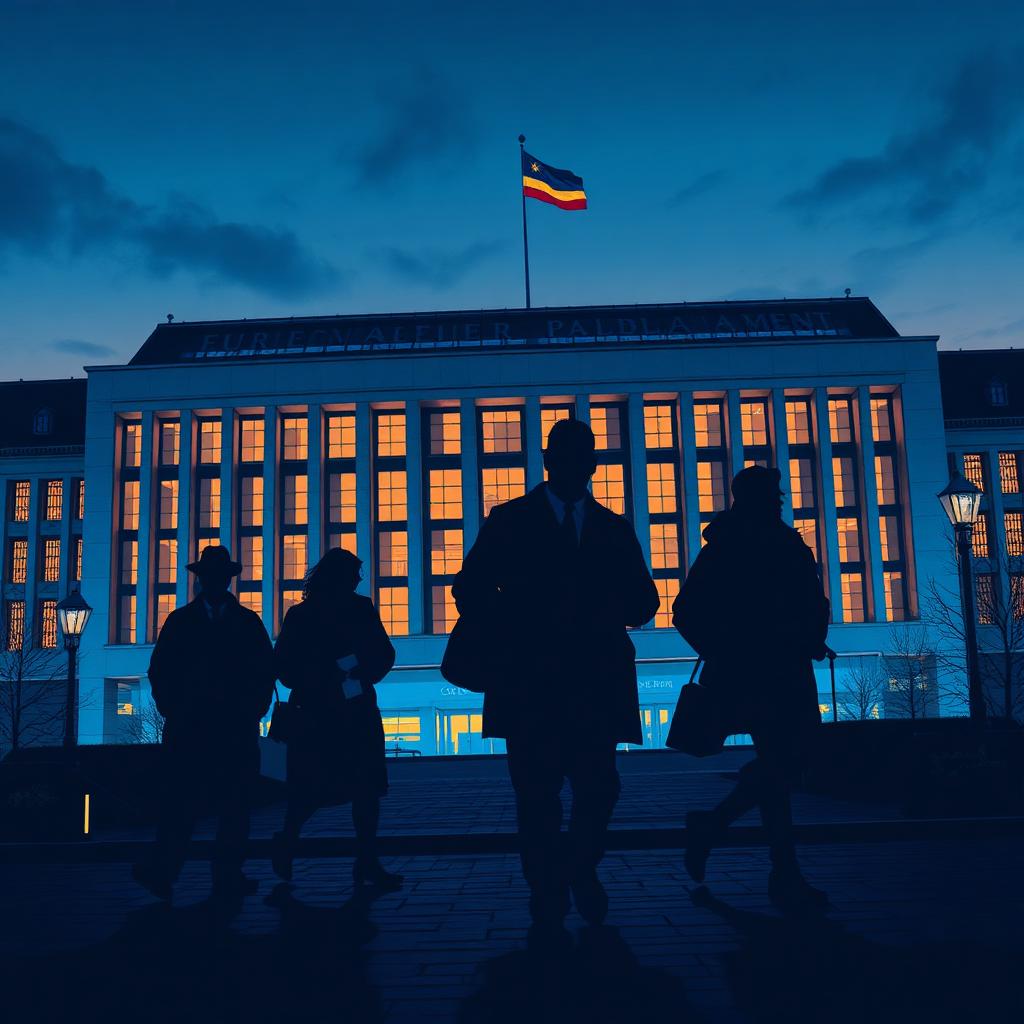
The Rassemblement National (RN) is back in judicial headlines. This Tuesday, June 30, the European Public Prosecutor's Office (EPPO) confirmed that search operations were carried out in France and several other European Union countries, as part of an investigation into the possible misuse of European funds. The investigation targets the activities of the Identity and Democracy (ID) group of MEPs, to which the RN belonged between 2019 and 2024, before this alliance was dissolved in the European Parliament.
An investigation opened since 2025
This independent institution, created in 2021 to track fraud involving community subsidies, is not new to this case: it had already announced the opening of this investigation in July 2025. Suspicions concern the irregular use of envelopes intended for the financing of European parliamentary activities, a mechanism that has previously resulted in several judicial setbacks for parties across the political spectrum, from the historical Front National to the Modem.
A timeline that has not escaped anyone's notice
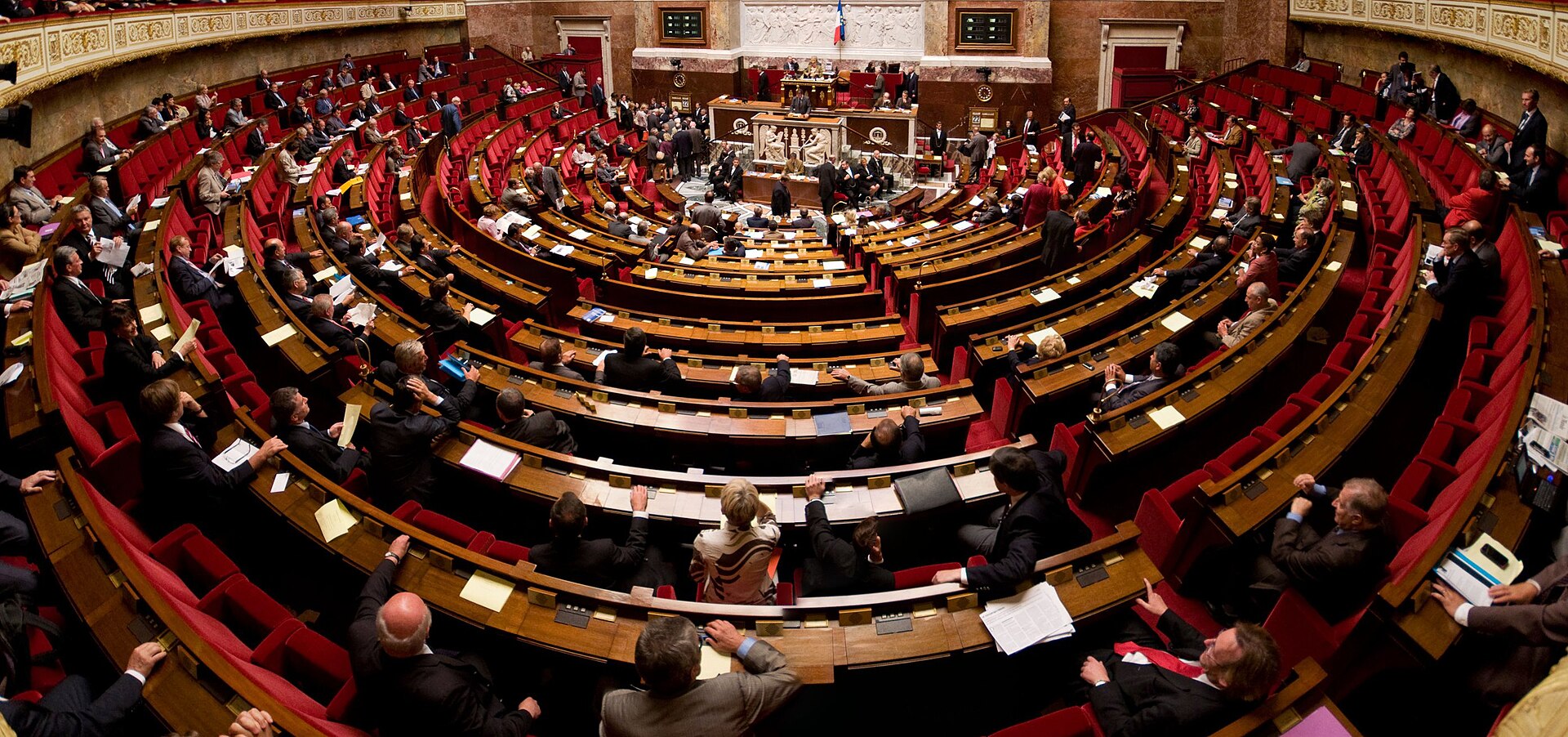
The announcement comes one week before a particularly scrutinised deadline: on July 7, a court decision is expected on Marine Le Pen's potential ineligibility, following the case of European parliamentary assistants that has already led to a first-instance conviction for the president of the RN group in the National Assembly. In addition, there is a separate complaint targeting Jordan Bardella, the current party president and now also head of the Patriots for Europe group in the European Parliament.
Harassment or legitimate scrutiny?
For the far-right formation, the accumulation of these procedures fuels a well-rehearsed narrative: that of judicial harassment orchestrated to remove it from power as major electoral deadlines approach. The party's supporters denounce an instrumentalisation of justice, while its opponents, on the contrary, see in it proof that the RN's financing practices at the European level call for thorough scrutiny, as was already the case for the fictitious employment of parliamentary assistants.
A procedure at an early stage
Legally, the European Public Prosecutor's Office's investigation is only at an early stage: the searches allow for the collection of documents and testimonies, without prejudging any individual charges or the judicial follow-up that might ensue. The RN, for its part, has not yet publicly commented on this new procedure, preferring no doubt to concentrate its attention on the July 7 deadline, which promises to be a far more decisive test for its immediate future.
The fragility of European group funding
This sequence illustrates the persistent fragility of political group funding in the European Parliament, a system based on trust and ex-post controls, regularly undermined by similar cases affecting other political families across the continent. The European Public Prosecutor's Office, whose powers have gradually strengthened since its creation, seems determined to make this case a strong signal to all European parliamentary groups.
The editorial board's opinion
A dense judicial news, which is part of an already electric political context for the RN as the July 7 verdict approaches. The real stakes in the coming days do not lie so much in these searches — whose judicial consequences will take months — as in the ineligibility decision which, for its part, can instantly redraw the national political landscape.