
The global vertical farming market is estimated at approximately $7.5 billion in 2025, according to Maximize Market Research, with a projection of $39.7 billion by 2032. This sector, driven by hydroponics, aeroponics, and aquaponics, is attracting massive investments amid growing concerns about global food security.
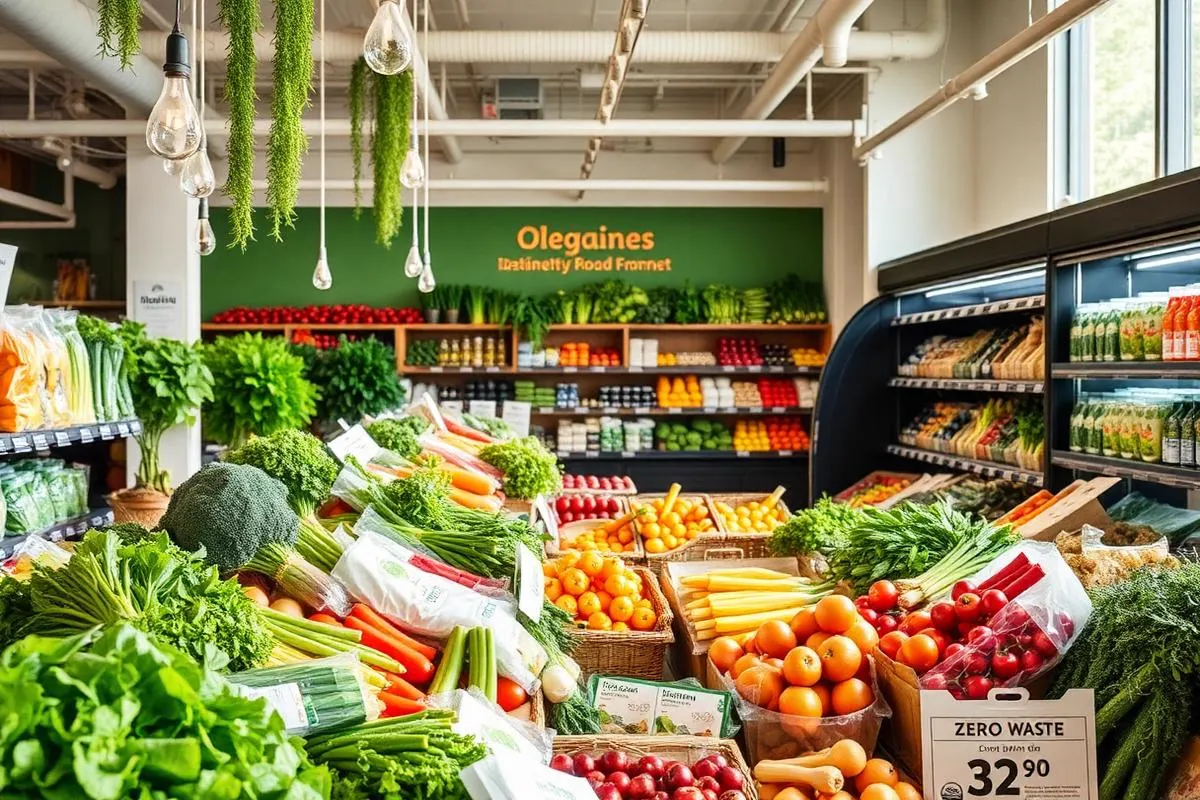
Vertical farming allows for the cultivation of vegetables, herbs, and certain fruits in stacked indoor structures, with full control over lighting (LED), temperature, humidity, and nutrients. The benefits are real: a 90-95% reduction in water consumption compared to conventional agriculture, no pesticides, and year-round production regardless of the climate.
However, the sector is going through a consolidation phase. Several major players have experienced financial difficulties in recent years. AeroFarms, an American pioneer, filed for bankruptcy in 2023 before being acquired. AppHarvest went bankrupt the same year. The high cost of energy for artificial lighting remains the sector's main economic challenge.
The Gulf countries and the Asia-Pacific region are the most dynamic markets. The United Arab Emirates, Qatar, and Saudi Arabia are investing heavily in vertical farming as a lever for food sovereignty in regions where traditional agriculture is limited by climate. Japan, Singapore, and South Korea are also key markets.
Artificial intelligence is playing an increasing role in optimizing vertical farms. Algorithms adjust cultivation parameters in real-time—light spectrum, nutrient dosage, humidity levels—to maximize yields and reduce energy consumption. The latest generations of LEDs consume significantly less energy than previous models.
The FAO estimates that global food production will need to increase by 60% by 2050 to feed 10 billion people. Vertical farming will not replace conventional agriculture, but it can play a strategic complementary role, particularly for the production of leafy greens in urban areas and in regions with extreme climatic conditions.