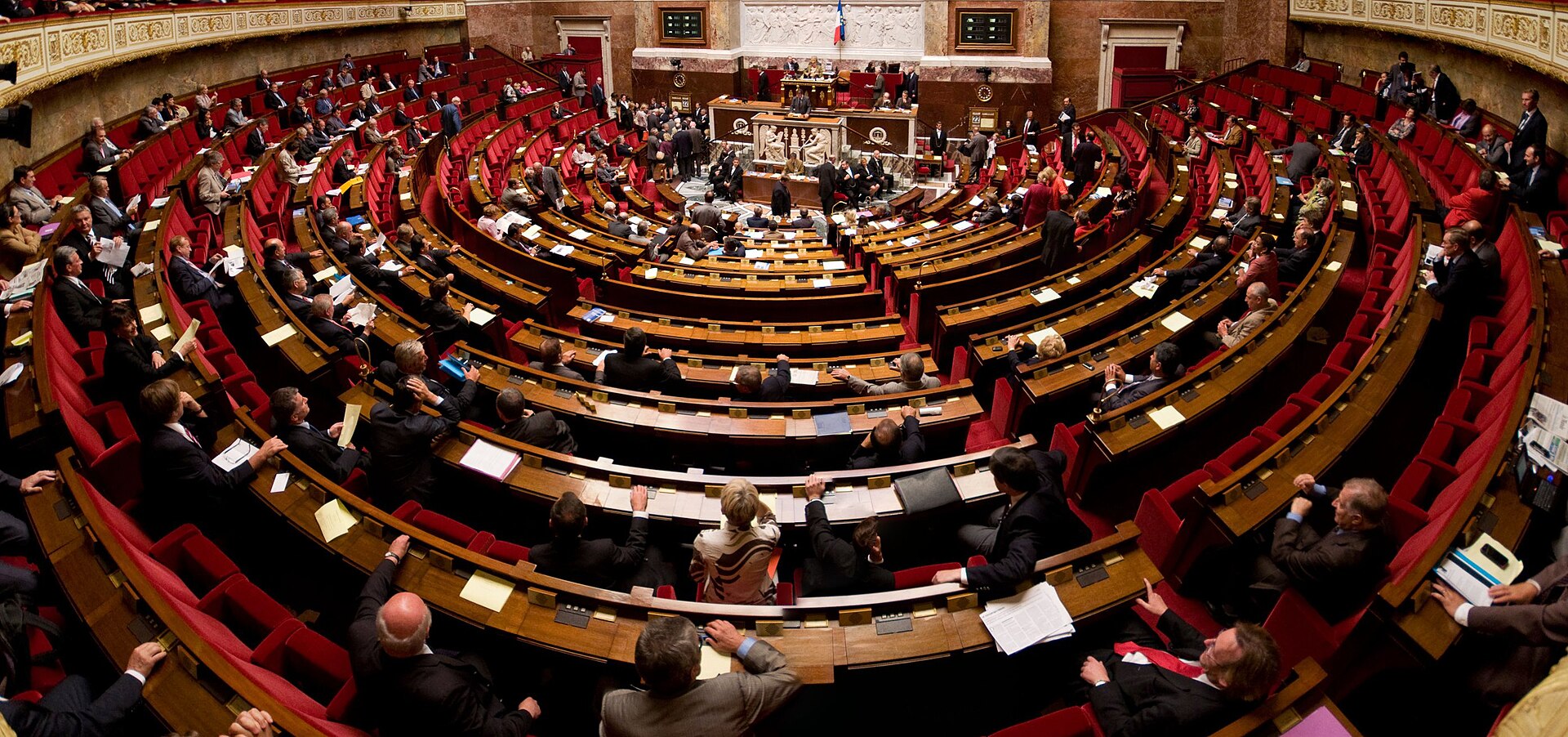
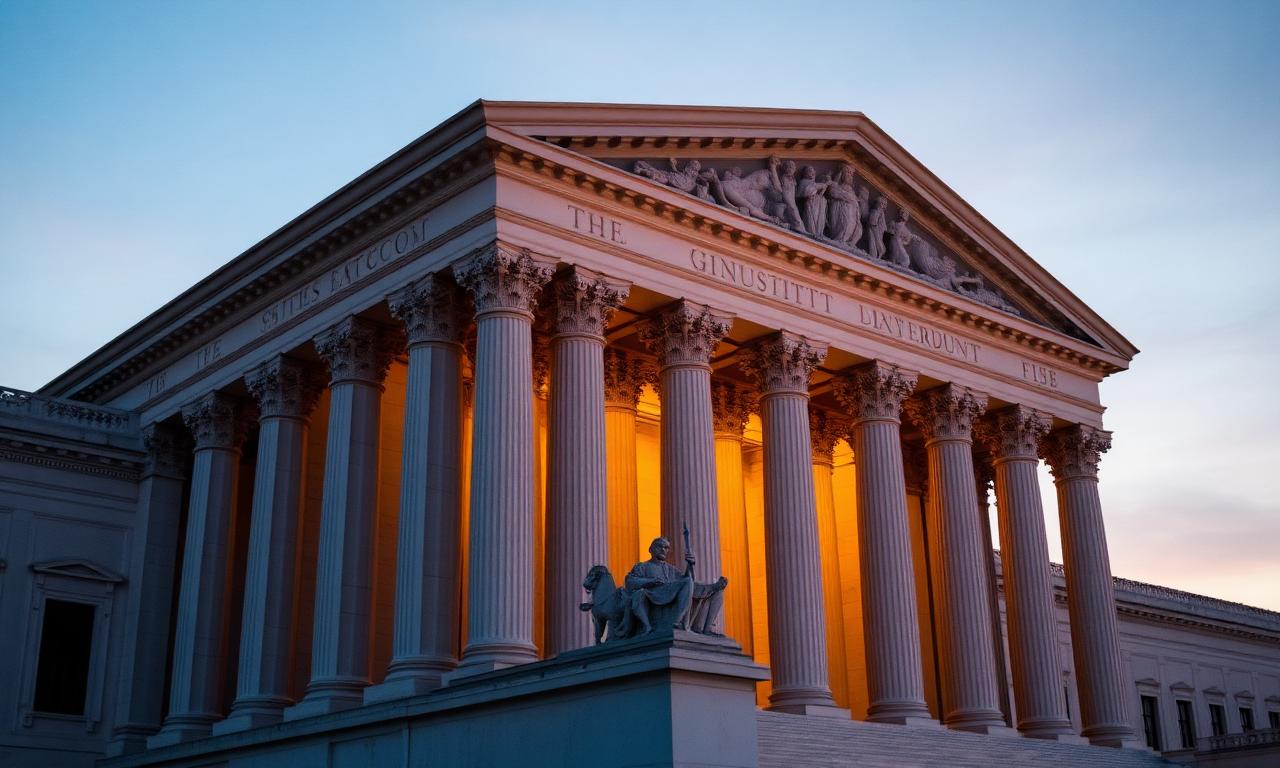
On Friday, an appeals court eliminated postal access to mifepristone for millions of American women. On Monday, Justice Samuel Alito — author of the Roe v. Wade reversal — signed the stay order. A one-week reprieve, in one of the most critical legal battles of the post-Roe era.
Black Friday: Appeals Court Restricts National Access
It all began late Friday afternoon, May 1, 2026. The U.S. Court of Appeals for the Fifth Circuit, based in New Orleans and known for its structural conservatism, issued a 19-page decision written by Judge Stuart Kyle Duncan — appointed by Donald Trump — that overturned access to medication abortion nationwide. In essence, the court mandated a return to an older Food and Drug Administration (FDA) regulation requiring a doctor to hand mifepristone directly to the patient. The result: prescription via telehealth and postal delivery — which have become the most common forms of access since the Covid-19 pandemic — were immediately suspended.
The potential impact is staggering. In 2023, medication abortions accounted for over 60% of all abortions in the United States, according to Guttmacher Institute data. Since the Supreme Court overturned Roe v. Wade in June 2022, the mifepristone-misoprostol combination prescribed remotely has become the primary mechanism for women living in states where surgical abortion is banned to still access one. By the end of 2024, one in four abortions were performed via telehealth. The Fifth Circuit's decision does not restrict marginal access: it strikes at the heart of the system.
Emergency Weekend: Two Manufacturers Appeal to the Supreme Court
The two manufacturers of mifepristone — Danco Laboratories, which markets the brand-name version Mifeprex, and GenBioPro, which produces the generic — hastily filed emergency appeals directly with the Supreme Court on Saturday morning, less than twenty-four hours after the Fifth Circuit's decision. Danco warned that the appeals court order "injects immediate confusion and disruption into highly time-sensitive medical decisions." GenBioPro described the risk of "abrupt interruption of access for millions of patients." For thousands of women with appointments scheduled over the weekend to receive the medication, uncertainty was total.
Justice Samuel Alito handled the emergency requests from the Fifth Circuit. The irony of history, or rather, the relentless logic of American institutions: it was he, the author of the Dobbs v. Jackson Women's Health Organization decision in June 2022 that ended fifty years of constitutional protection for the right to abortion, who found himself having to make an emergency ruling on access to the abortion pill. On Monday morning, Alito signed an administrative stay order of the Fifth Circuit's decision, maintaining postal and telemedicine access to mifepristone until May 11 at 5:00 PM — allowing time for the Supreme Court to review the arguments from the various parties, with briefs due before Thursday evening.
Louisiana and the State's Political Argument
At the origin of this legal challenge is Louisiana, a Gulf Coast state that has enacted one of the most restrictive anti-abortion laws in the country since 2022, banning abortion in almost all forms. The central thesis of Louisiana's lawsuit is that the FDA's federal rules authorizing remote prescription of mifepristone "undermine" state laws protecting life, and therefore the state is justified in seeking their suppression. Louisiana Attorney General Liz Murrill did not mince words after Alito's order: she accused the manufacturers of seeking to "kill more babies quickly and efficiently by mail, without medical supervision."
This case is the second act in a legal saga that the Supreme Court has already encountered in 2024. At that time, the nine justices had unanimously rejected an initial attempt at restriction — but on procedural grounds (lack of standing for the plaintiffs), without ruling on the merits. This left the door open for new lawsuits. With Louisiana as a sovereign state plaintiff, the legal landscape is different, and potentially more favorable to restrictions. The Supreme Court's final decision — expected in the coming weeks or months — could be one of the most consequential rulings for American reproductive health since the Dobbs decision itself.
Seven Million Women, A Pill Whose Safety is Established
Meanwhile, the scientific facts remain stable, even if politics do not. Since its FDA approval in 2000, over 7 million American women have used mifepristone. Independent studies — including a CNN analysis comparing the risk profiles of various medications — conclude that its rate of serious complications is lower than that of penicillin or Viagra. The FDA itself had requested the suspension of the Louisiana proceedings in January 2026, wishing to conduct its own safety review, commissioned by Robert F. Kennedy Jr. This review was triggered in response to a report from the conservative think tank Ethics and Public Policy Center claiming a higher complication rate than official data — a report branded "pseudoscience" by the vast majority of reproductive health researchers.
Medical and political arguments do not operate on the same plane — and the Supreme Court will have to choose which one to heed. Medical professional associations, led by the American College of Obstetricians and Gynecologists, have filed amicus curiae briefs supporting the maintenance of current access. Anti-abortion groups, for their part, are capitalizing on what they consider a historic window: with a conservative majority of 6 out of 9 justices on the Supreme Court and a Trump administration aligned with their positions, the political conditions for a win on the merits have never been more favorable.
Editorial Opinion
What is at stake in this legal battle goes far beyond the issue of mifepristone. It is a question of whether states can use the federal system to circumvent the decisions of the national scientific agency — the FDA — in the name of ideology. The fact that Alito, the author of the end of Roe, was compelled to sign an order protecting access to abortion is less an irony than an illustration of the actual functioning of American institutions: even the most conservative judges must sometimes contain the momentum they themselves helped to create.
Key Takeaways
- The Fifth Circuit on Friday eliminated postal and telemedicine access to mifepristone — stayed on Monday by SCOTUS.
- Justice Alito — author of the Roe v. Wade reversal — signed the protection order until May 11.
- Over 60% of American abortions are medication abortions; 1 in 4 are via telemedicine.
- 7 million American women have used mifepristone since 2000 — safety profile superior to penicillin according to studies.
- The SCOTUS's final decision could permanently redefine abortion access across the United States.