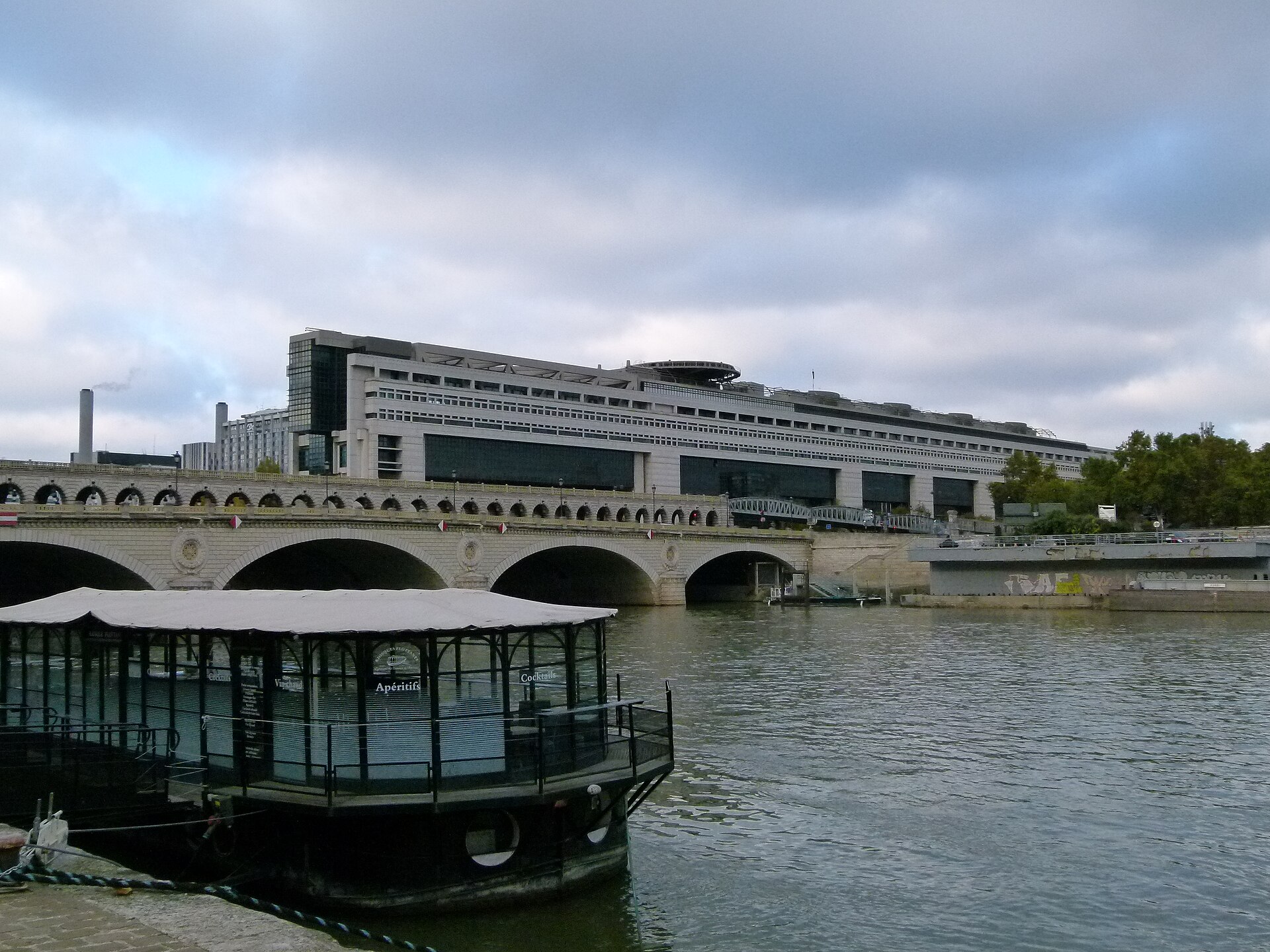
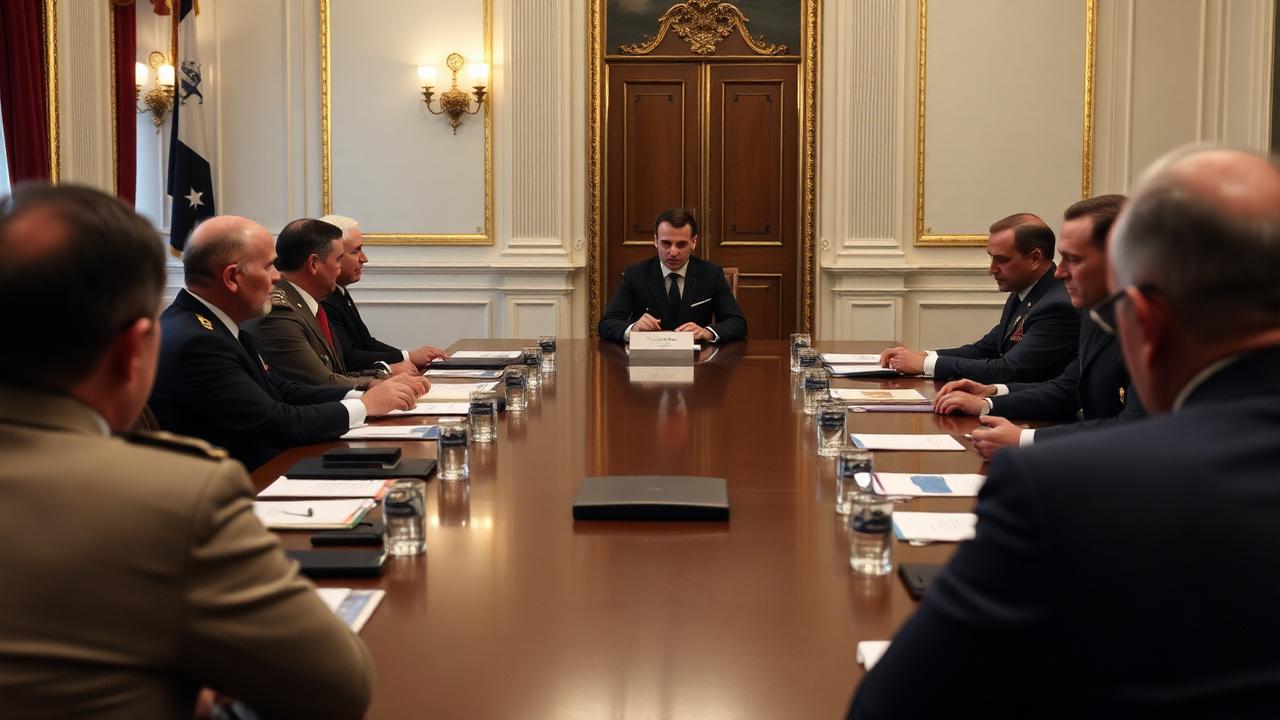
Emmanuel Macron chaired a new defense and national security council at the Élysée Palace this Wednesday, April 8, 2026, focused on the "situation in Iran and the Middle East." This council, the fifth in ten days, comes just a few hours after the announcement of a two-week ceasefire between the United States and Iran. The Élysée indicated that the meeting focused on "assessing the strength of the ceasefire, the implications for the security of French nationals in the Middle East, and the measures to be taken to mitigate the economic impact of the crisis on French households." Participants included the Ministers of the Armed Forces, the Interior, Foreign Affairs, and the Economy, as well as the Chief of the Defence Staff. (
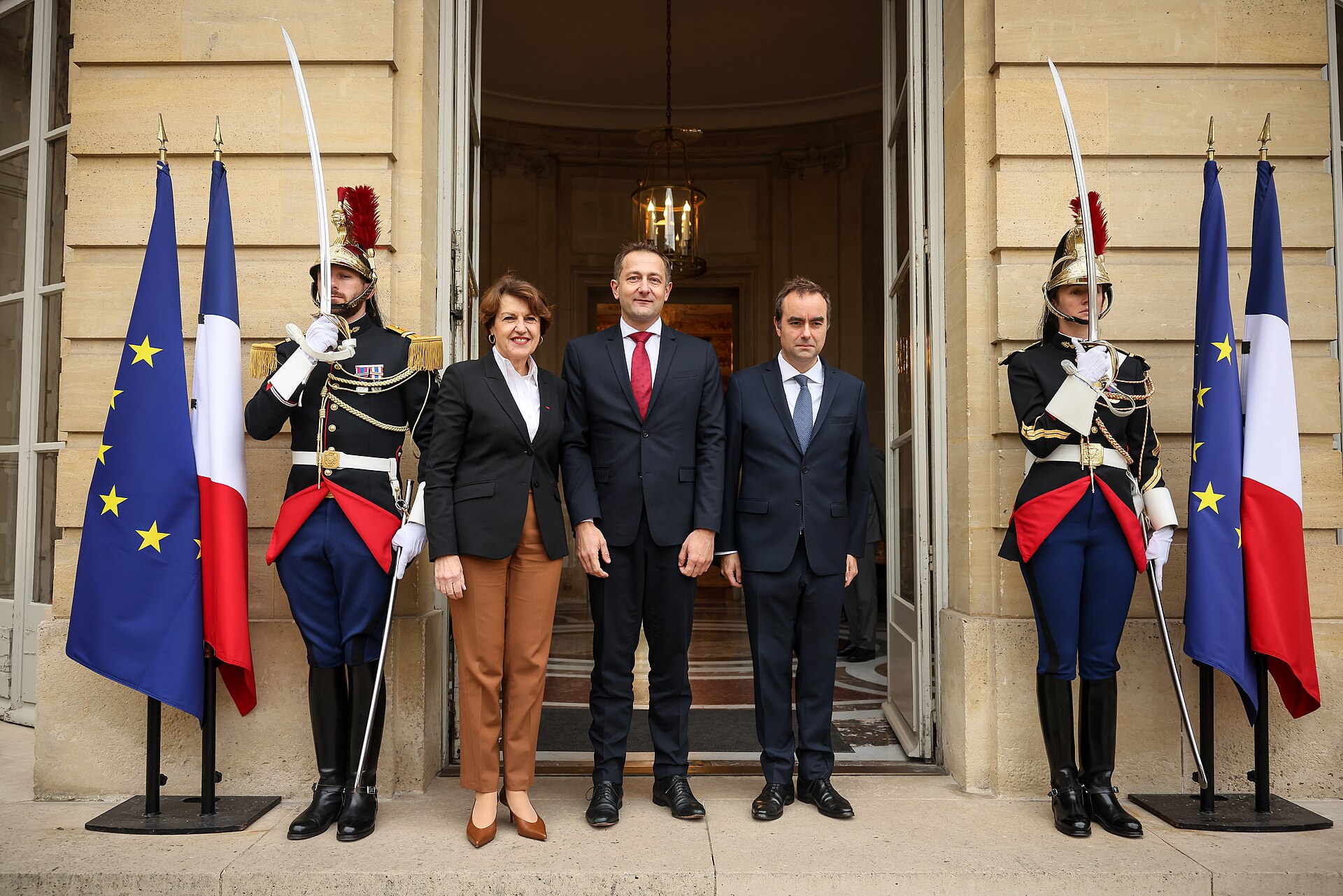
Minister of the Armed Forces Sébastien Lecornu was the first to speak after the council. He announced the implementation of "reinforced controls" on fuel distributors' margins, stating: "Prices at the pump must fall as quickly as they rose." Indeed, since the beginning of the conflict and the closure of the Strait of Hormuz a month ago, the prices of unleaded 95 and diesel have increased by 25 to 30 cents per liter, exceeding 2.20 euros in many stations. The price of diesel is approaching 2.30 euros in some rural areas, a level not seen since the "Yellow Vest" crisis. (
On the diplomatic front, France is playing a delicate role. Paris has repeatedly called for de-escalation throughout the conflict, while supporting Israel's right to defend itself. Macron had a tense discussion with Trump last week, during which he argued for an extension of the ceasefire to Lebanon – a point that remains pending. French diplomacy is also mobilized to protect the approximately 8,000 French nationals present in Iran, Lebanon, and the Gulf countries, and to prepare for potential evacuation operations if the situation deteriorates. The aircraft carrier Charles de Gaulle, deployed in the eastern Mediterranean since March 15, remains in position. (
The impact of the Iranian crisis on the French economy is significant. In addition to fuels, energy prices (gas, electricity) have risen, and inflation – which had slowed to 1.8% in early 2026 – climbed back to 2.6% in March according to INSEE. The transport, agriculture, and industry sectors are particularly affected. The government is considering targeted measures: a fuel check for low-income households, a temporary cap on refinery margins, and accelerated negotiations with alternative producing countries (Algeria, Norway, United States) to diversify supplies. (
However, the situation remains contingent on the strength of the ceasefire. If the two-week truce develops into a lasting agreement, oil markets should normalize, and prices at the pump should gradually decrease. But if negotiations fail – as many analysts fear – France and Europe could face an unprecedented oil shock since 1973. Macron is aware of this: according to council participants, the president stressed the need to "prepare the French people for all scenarios" and to accelerate the energy transition as an "imperative of national sovereignty." (