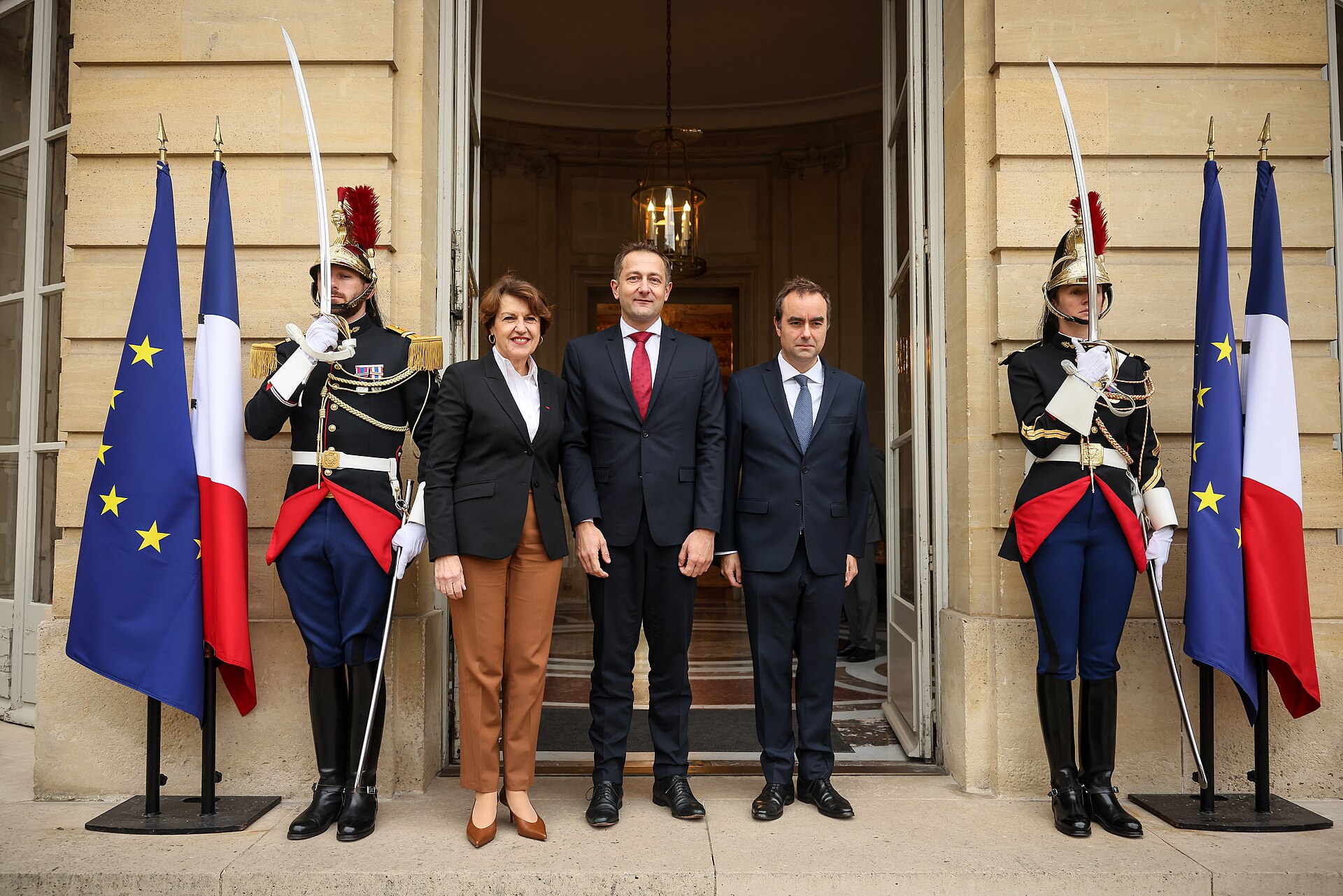
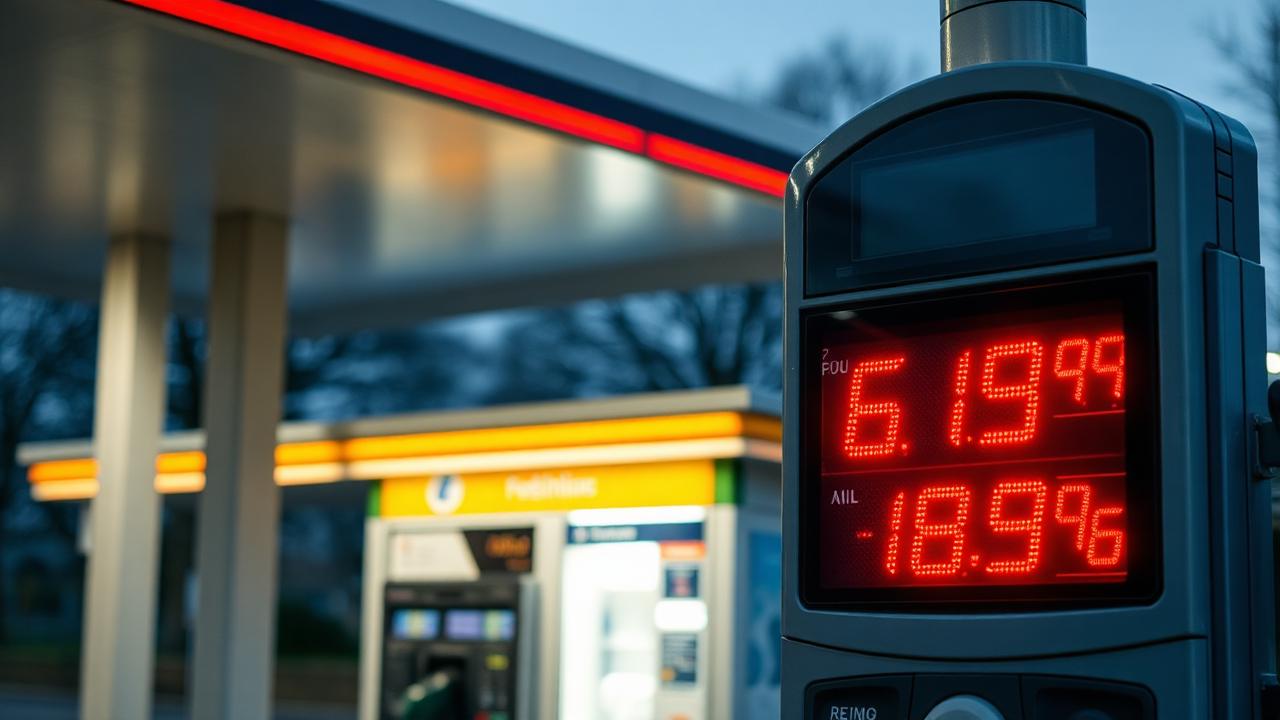
This is one of the most anticipated political events of the French political week. Prime Minister Sébastien Lecornu is scheduled to speak on Tuesday, April 21, 2026, "in the late afternoon," likely at 6 PM, to detail a new aid plan in response to the surge in fuel prices. The information was confirmed this morning on RTL by the Minister of the Economy, Roland Lescure, who specified that the announcements would cover "both the possible extension" of existing measures "and perhaps other ideas." The pressure is immense: according to the latest figures from the Ministry of Ecological Transition, the price of diesel reached an average of 2.18 euros per liter nationwide on Friday, April 17, and several rural stations have crossed the symbolic barrier of 2.30 euros since the weekend.
A crisis born from the Iranian blockade of Hormuz
The current surge did not come out of nowhere. It is a direct consequence of the conflict in the Middle East and, above all, the restrictions imposed on the Strait of Hormuz, through which nearly a quarter of global oil transits. The Brent crude price, which hovered around 78 dollars in early March, has hit several peaks exceeding 110 dollars since hostilities began. According to an internal Treasury note revealed on April 21 by Le Monde, the bill for France could reach "at least 6 billion euros," a figure confirmed in commission by the Minister of the Armed Forces Sébastien Lecornu — who has since become Prime Minister — and now cited by Lescure as the basis for all budget decisions.
What avenues are on the table?
Three options are under discussion at Matignon, according to converging reports from Le Télégramme, Ouest-France, and La Nouvelle République. The first involves extending the targeted fuel subsidy for households in the bottom five income deciles, amounting to 100 euros per vehicle, until the end of June. The second, advocated by rural deputies, aims to extend the measure to "heavy users" regardless of their income — an avenue that Roland Lescure "does not close the door on," according to Midi Libre. The third, more structural option, would be to create an automatic mechanism to reduce TICPE (Domestic Consumption Tax on Energy Products) as soon as the barrel exceeds a threshold of 100 dollars for four consecutive weeks — a long-standing demand from road haulage companies.
"Spending freezes" to fund the measure
The Minister of the Economy also warned, without mincing words: "Spending freezes are to be expected to offset the costs of the energy crisis." This warning is not trivial: the 2026 public deficit is already projected by the Court of Auditors to be 5.2% of GDP, and any new measure will have to be financed by reallocation, otherwise France risks falling outside European fiscal rules. Several ministries, including Culture, Sport, and Official Development Assistance, fear being called upon. Bercy is also considering a one-year postponement of the public service revaluation plan, which Force Ouvrière described as a "red line" as early as Monday.
The opposition is watching
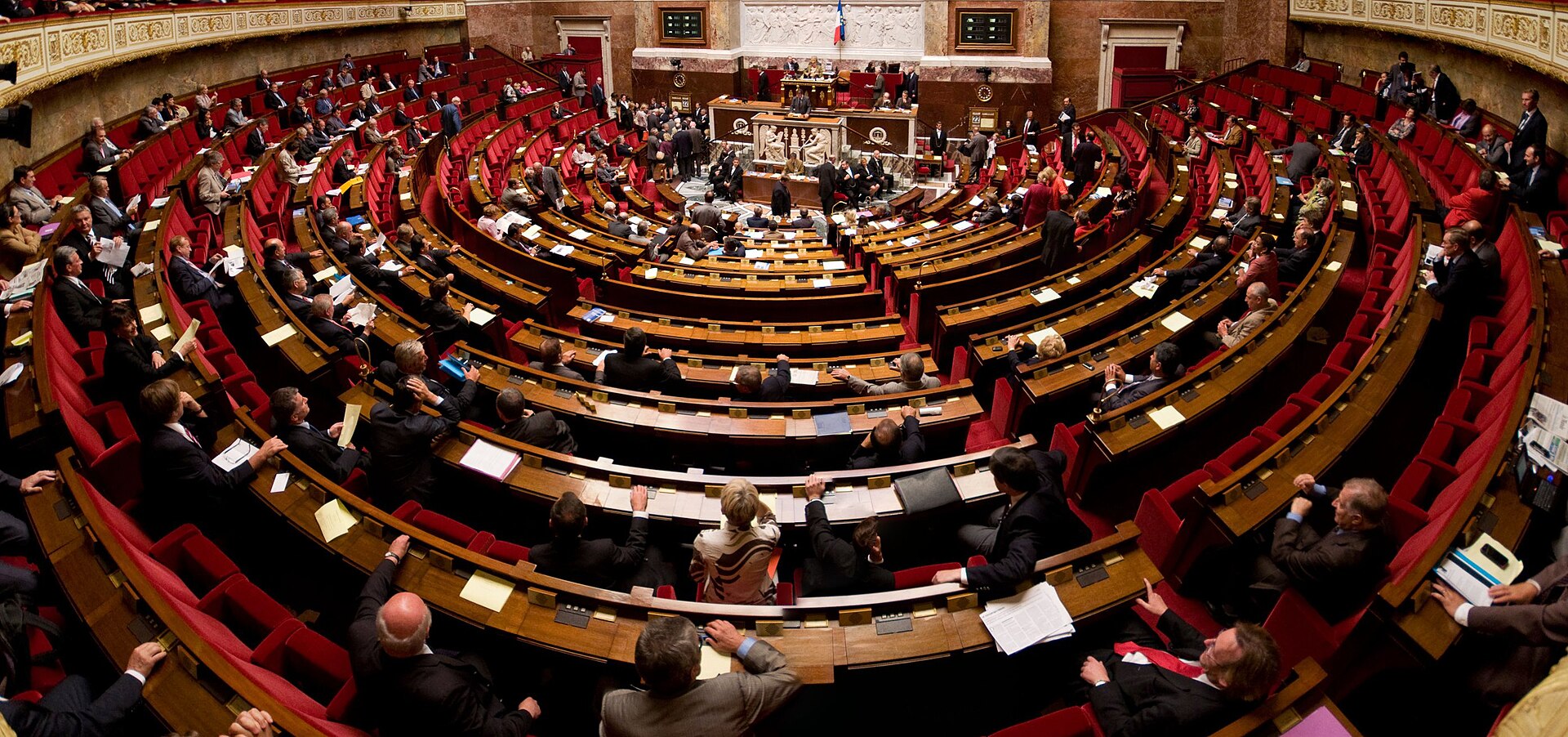
In the National Assembly, the opposition is sharpening its knives. Marine Le Pen has already announced that the Rassemblement National will table a motion for resolution on Wednesday demanding "the immediate suspension of all additional taxes on fuel." On the left, Manuel Bompard, conversely, calls for "administrative price controls at the pump coupled with an exceptional tax on the superprofits of oil majors." The Républicains, for their part, are playing their usual tune: conditional support for temporary measures but a fierce rejection of any new unfunded spending. The parliamentary atmosphere promises to be heated during the questions to the government on Wednesday, April 22.
Editorial Opinion
The measures expected this evening will be useful, but they only address the symptoms. As long as France imports 99% of its crude oil and the Strait of Hormuz remains a geopolitical bottleneck, every crisis in the Middle East will mechanically translate into an explosion of prices at the pump. The real solution — a massive acceleration of the electrification of the vehicle fleet, doubling support for freight trains, industrial deployment of second-generation biofuels — belongs to a five-to-ten-year horizon, not a 6 PM press conference. Sébastien Lecornu would do well to state this truth out loud, rather than letting people believe that a check will suffice.
Key Takeaways
- Lecornu expected at 6 PM to announce a new fuel aid plan.
- Diesel price at 2.18 euros on average, peaking over 2.30 euros in some rural stations.
- Three avenues: extension of targeted aid, expansion to heavy users, automatic TICPE reduction.
- Estimated cost of the crisis for France: "at least 6 billion euros," according to Lescure.
- Spending freezes expected to finance the measure without widening the deficit.