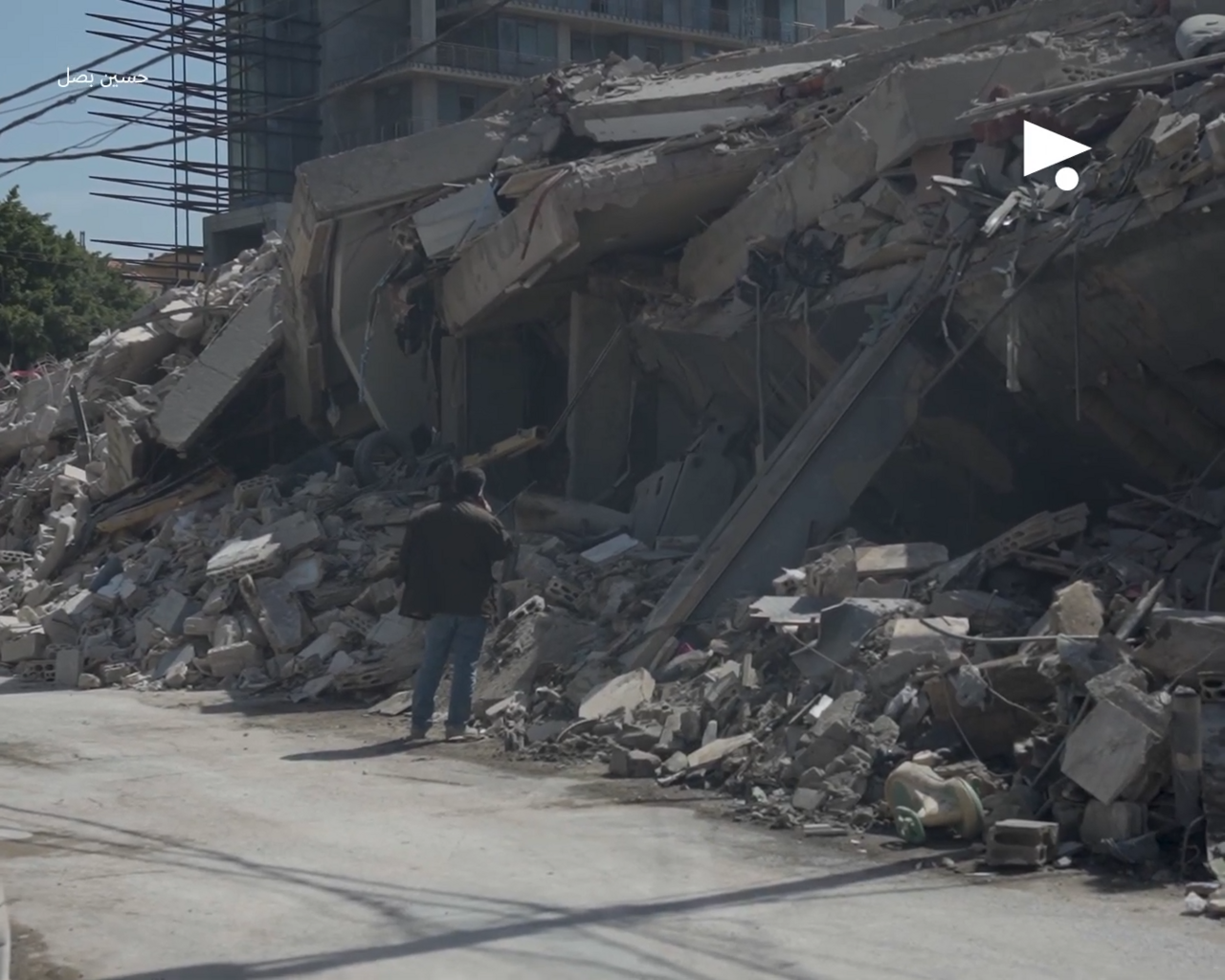
Three Israeli drone strikes targeted vehicles on the highway connecting Beirut to southern Lebanon, near the town of Jiyeh, on Wednesday morning, May 13, 2026. The Lebanese Ministry of Health confirmed a death toll of at least eight killed, including two children, and several injured. Images published by AFP show a burnt-out car in the middle of the road, with rescue teams extinguishing flames while traffic is diverted to secondary routes. This is the deadliest strike on a major civilian axis in three weeks.
380 Dead Since April 17 Truce
On Tuesday evening, during a press conference in Beirut, Lebanese Health Minister Rakan Nassereddine delivered a grim toll: 380 people have been killed in Lebanon by Israeli strikes since the American-brokered ceasefire came into effect on April 17, 2026. During the same period, nearly 700 people were injured in the country's hospitals. The overall death toll from the confrontation between Israel and Hezbollah, since hostilities began on March 2, now stands at 2,882 on the Lebanese side, with a majority of civilians according to ministry figures.
On paper, the truce was supposed to freeze military operations and initiate a gradual withdrawal of Israeli forces from positions held in the south of the country. On the ground, the agreement has become, in the words of a European diplomat in Beirut, 'a truce that exists only on paper.' Not a day has passed without targeted Israeli strikes against vehicles, homes, and alleged Hezbollah depots. Forced displacements have resumed, with tens of thousands of southerners unable to return to their homes.
Hezbollah Promises 'Hell'
The new Secretary-General of Hezbollah, whose identity remains partially protected for security reasons since the elimination of Hassan Nasrallah in September 2024 and his successor in March 2026, issued a statement of rare virulence on Tuesday evening. The Shiite movement vows to 'turn the battlefield into hell' if Israeli strikes do not cease before the Washington summit scheduled for this week. Sporadic rocket fire has already been recorded from the Bekaa Valley, with no Israeli casualties to date.
The concern now is that the Washington sequence, scheduled for Wednesday and Thursday between the Lebanese and Israeli delegations under American mediation, will be purely and simply boycotted by Beirut. Lebanese Prime Minister Nawaf Salam convened a restricted defense council on Tuesday evening to assess the advisability of his delegation's travel.
Regional Context: The Iran War in the Background
Lebanon is paying the full price for the Iran-United States conflict that has been ongoing since February 28. Israel, which has never ceased to consider Hezbollah as Tehran's advanced arm, is taking advantage of the regional war to militarily weaken the Shiite organization, considerably weakened by the loss of cadres and the destruction of part of its missile stocks since 2024. The Israelis believe that any window left open would allow Hezbollah to rearm via Syrian land routes or Lebanese ports – hence a policy of systematic preemptive strikes.
The Lebanese opposition, which denounces these strikes as a clear violation of international law, struggles to mobilize a firm Western reaction. Emmanuel Macron described the situation in Nairobi on Tuesday as 'unacceptable' and called for a 'fully respected ceasefire.' The European Union, through its High Representative, has called for an independent investigation into the May 13 strikes in Jiyeh.
The Human Drama: Daily Life in Suspense
In Beirut, the southern highway, a vital artery connecting the capital to the coast and the south of the country, is now used with anxiety. Residents avoid cars with tinted windows, fear motorcycles, and scan the sky for drones. Schools in southern Lebanon are operating with reduced attendance; several displaced families still live in schools converted into shelters since 2024.
The economy, already drained after the 2019 crisis and the 2024 war, is not recovering. The Lebanese pound hovers above 95,000 units to one US dollar. Tourism, the main hope for recovery, is devastated by repeated strikes. Humanitarian NGOs warn of undernutrition among children in bombed areas.
Editorial Opinion
The word 'ceasefire' has lost its meaning in Lebanon. 380 deaths in less than a month under a regime officially called a truce: it will be necessary to invent another vocabulary to describe what is happening between Beirut and the Israeli border. The brutal truth is that Israel has made the strategic calculation that no diplomatic cost will ever be as high as the risk of a rebuilt Hezbollah, and that the international community, preoccupied with the Gulf War, has neither the bandwidth nor the desire to raise its voice. Lebanon has become an acceptable collateral damage of a regional conflict it did not want. As for Hezbollah's promise to turn the battlefield into 'hell,' it signals less a real operational capacity than an impotent rage. The real question is no longer whether the truce will hold – it already isn't – but how many Lebanese civilians will have to die before a Western voice finally takes the political risk to call a violation of international law by its name.
Key Takeaways
- On May 13, 2026, three Israeli strikes targeted vehicles on the Beirut-South highway in Jiyeh: at least 8 killed, including 2 children.
- 380 people have been killed in Lebanon by Israeli strikes since the April 17, 2026 truce (Lebanese Ministry of Health).
- Overall toll since the beginning of the conflict on March 2: 2,882 killed on the Lebanese side.
- Hezbollah promises to 'turn the battlefield into hell' before the Washington summit this week.
- Macron deems the situation 'unacceptable'; the EU calls for an independent investigation.
- The Lebanese pound hovers around 95,000 units to the dollar.