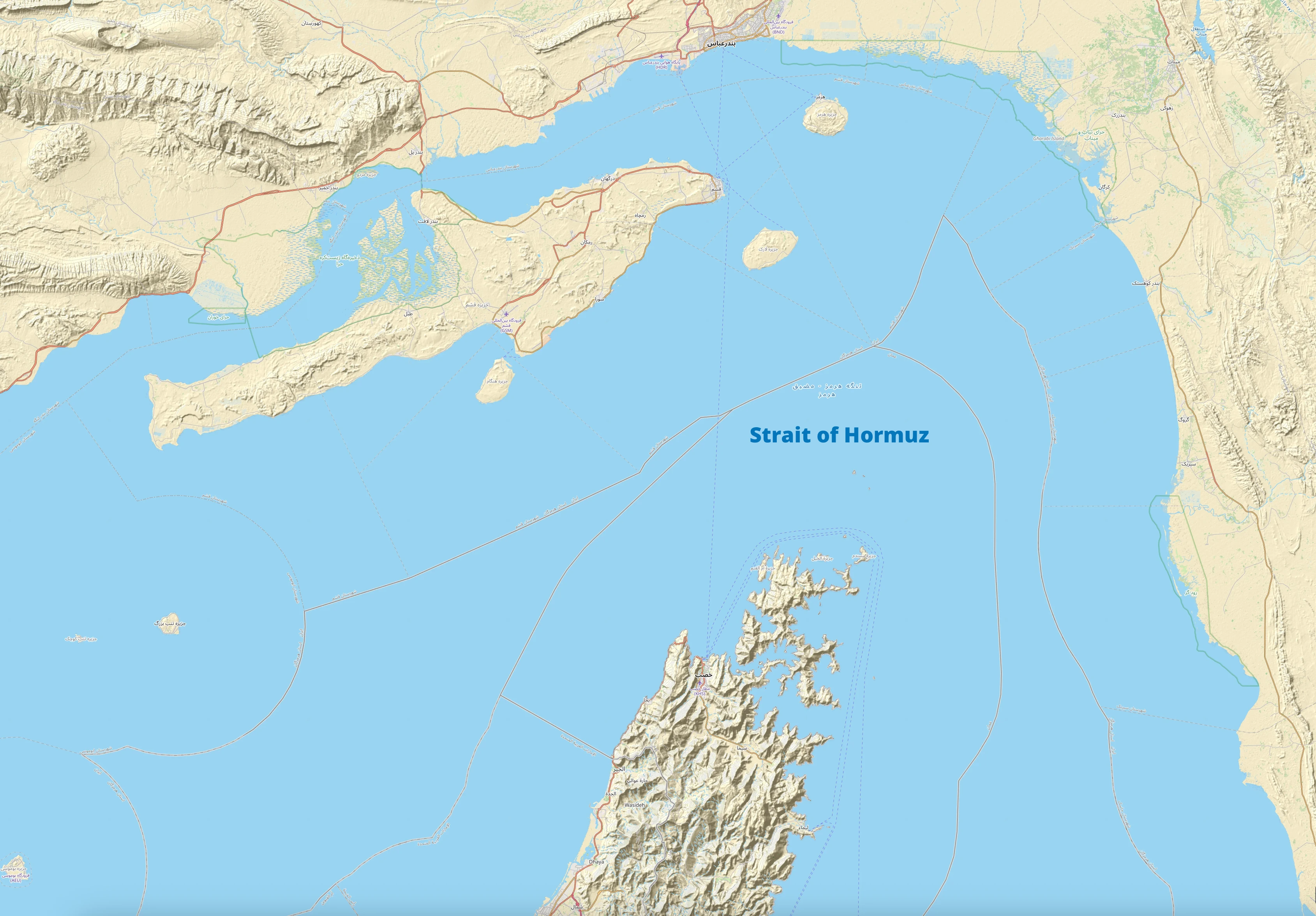
The war many hoped was extinguished reignites with renewed intensity. On Sunday night into Monday, the Iranian Revolutionary Guard claimed new missile and drone strikes against American military facilities in Bahrain, Kuwait, and Jordan, while also asserting to have destroyed radar systems in Oman. These attacks are, according to Tehran, a response to a new wave of American strikes aimed at neutralizing Iran's capacity to threaten maritime traffic in the Strait of Hormuz.
Underwater Drones and Massive American Strikes
The US Central Command (CENTCOM) announced it had hit dozens of additional targets in a single operation, using autonomous underwater drones for the first time in addition to conventional air and naval strikes. Washington claims to be targeting Iranian air defenses, coastal radars, and drone and missile capabilities.
Interceptions in Kuwait, Jordan, and Bahrain
On the ground, Kuwaiti authorities reported the interception of three ballistic missiles, one cruise missile, and about ten drones, with debris causing material damage and injuring one person. Bahrain announced neutralizing several aerial attacks, while Jordan stated it had intercepted all incoming fire. An alert was also triggered in Qatar. According to the Guardians, a Patriot system was targeted in Kuwait and American fuel depots in Bahrain.
An Interim Agreement That Falters
This flare-up comes despite an interim agreement, negotiated after sixty days of talks, which had seemed to pave the way for a reopening of the Strait of Hormuz and a cessation of hostilities. The Speaker of the Iranian Parliament, Mohammad Bagher Ghalibaf, warned that any new American action would lead to further retaliation. Donald Trump warned that Iran would "pay the price" for what he described as delaying tactics.
Qatari Mediation, Railway Line Cut
Mediation efforts are multiplying without success. Qatari Prime Minister Sheikh Mohammed bin Abdulrahman al-Thani called on Tehran to return to the diplomatic table during a conversation with Abbas Araghchi. But on the ground, trust is eroding: rail transport between Tehran and Mashhad had to be suspended after damage to a strategic line connecting Iran to China and Russia via Turkmenistan and Kazakhstan — an axis that has become vital since the blockade of Iranian ports in the Gulf. However, several oil tankers carrying Iranian and Kuwaiti crude still transited the strait, according to data from Kpler.
The Editorial Board's Opinion
What is most concerning about this sequence is not the novelty of the strikes — the escalation has been ongoing for weeks — but their routine nature. An interim agreement meant to defuse the Strait of Hormuz crisis is unraveling strike after strike. The real variable to watch is no longer Tehran or Washington, but the Gulf monarchies: if Bahrain, Kuwait, or Qatar come to believe that their security is no longer guaranteed by the American presence, the regional balance could shift much faster than imagined.
Key Takeaways
- 3 countries simultaneously struck: Bahrain, Kuwait, Jordan.
- Autonomous underwater drones used for the first time by CENTCOM.
- Patriot system targeted in Kuwait according to the Revolutionary Guard.
- Interim agreement of 60 days of talks threatened with collapse.
- Oil traffic continues to pass through the Strait of Hormuz, according to Kpler.