The Essentials — After sixteen nights of American strikes, Donald Trump announced he had canceled scheduled operations against Iran, believing an agreement was now "within reach." Current negotiations primarily concern the reopening of the Strait of Hormuz to commercial traffic.
A Reversal Announced on Truth Social
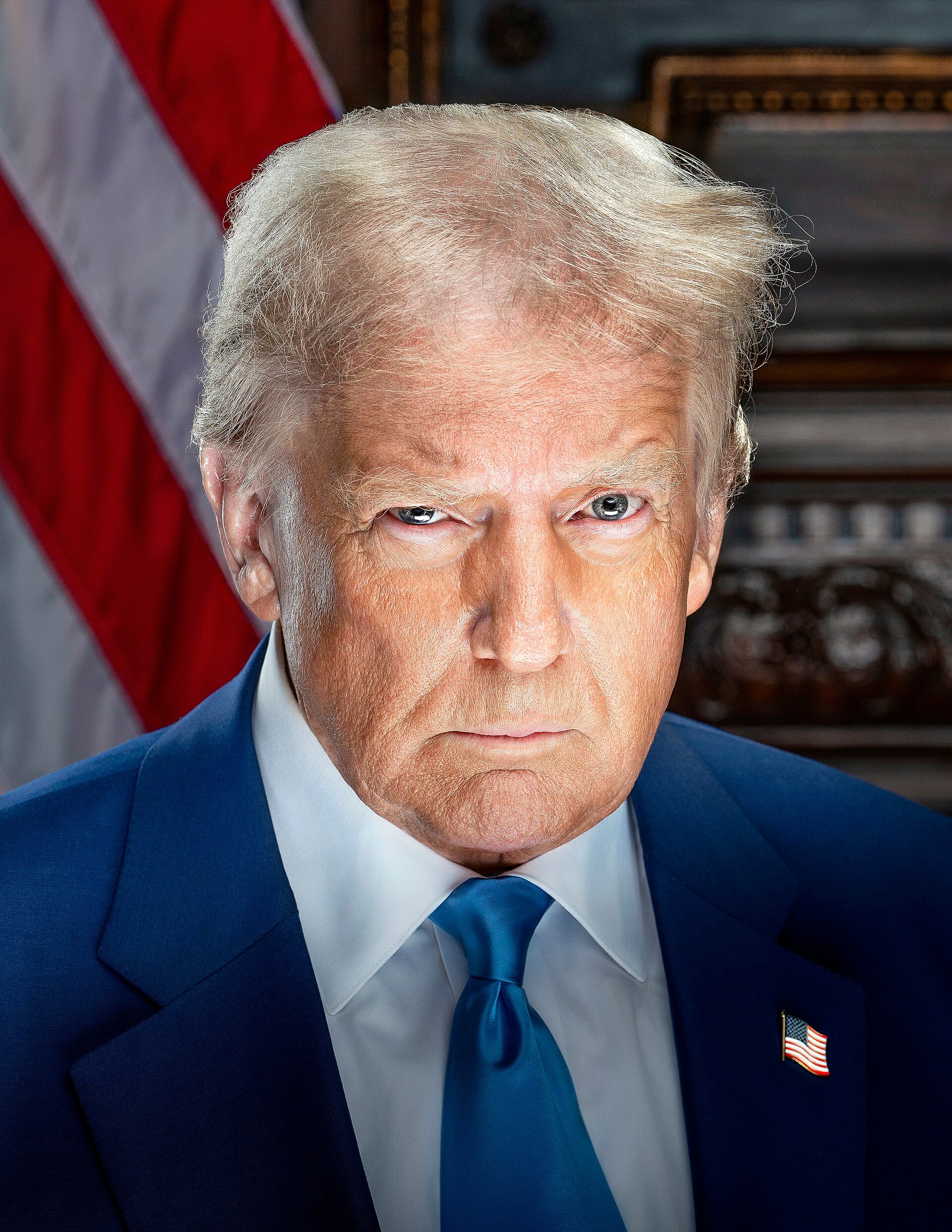
It was through a message published on his Truth Social network that the American president made his decision known, bypassing the usual White House channel. Donald Trump stated that he had ordered the cessation of strikes planned for the following hours, citing "considerable progress" in discussions initiated with Tehran through regional mediators.
The format of this announcement — a public message, before any confirmation from the Pentagon — surprised even within the American military entourage, where several officials indicated they learned the news at the same time as the public.
The Strait of Hormuz at the Heart of Negotiations
The central point of discussion remains the Strait of Hormuz, through which a decisive portion of the world's oil transits, and whose disruptions since the beginning of the conflict have caused crude oil prices to surge, with direct repercussions on pump prices in Europe.
A secure reopening of the Strait would be the first tangible sign of de-escalation since hostilities resumed on July 7. However, no timeline has been made public at this stage, and Iranian authorities have not publicly confirmed the terms mentioned by Washington.
What This Announcement Changes — and Doesn't Change
The cancellation of the strikes does not mean the end of the conflict. American forces remain deployed in the region, and no announced withdrawal of the naval presence has occurred. On the diplomatic front, the sequence is reminiscent of June 2019, when Donald Trump had already canceled a retaliatory strike against Iran at the last moment after the destruction of an American drone.
For the markets, however, the signal is immediate: any prospect of reopening Hormuz exerts downward pressure on crude oil prices, and thus, eventually, on fuel prices.
Frequently Asked Questions (FAQ)
Why did Donald Trump cancel the strikes against Iran? The American president cites progress in negotiations and believes an agreement is "within reach."
What is the Strait of Hormuz and why is it strategic? This narrow maritime passage, located between Iran and the Arabian Peninsula, is the main export route for oil from the Gulf. Its closure or obstruction is enough to cause global prices to skyrocket.
Is the conflict between Iran and the United States over? No. No formal ceasefire has been signed, and the American military presence remains in place in the region.
Editorial Opinion
The OrChair editorial team urges caution regarding this sequence. An announcement made on a social network, without simultaneous confirmation from the Pentagon or Tehran, does not constitute an agreement: it constitutes an intention, and the recent history of relations between Washington and Iran shows that these intentions sometimes reverse within hours. The only truly reliable indicator of de-escalation will be the actual resumption of commercial traffic in the Strait of Hormuz — not the statements preceding it. We will monitor this specific point in the coming days.
*