Since February 28, 2026, the military standoff between Washington and Tehran has paralyzed 25% of global oil trade. This Thursday, May 7, Iran is due to deliver its response to the latest American peace proposal, transmitted via Pakistani mediators. The world holds its breath.
The Strait Locked: 1,600 Ships Held Prisoner
On February 28, 2026, the United States and Israel launched coordinated strikes against Iran under the name "Operation Epic Fury," targeting its military sites, nuclear facilities, and political leadership. The death of Supreme Leader Ali Khamenei in these early hours triggered an immediate response: Iranian missiles and drones struck Israeli cities and American bases in the Gulf. In less than 72 hours, the planet's most strategic region plunged into open warfare.
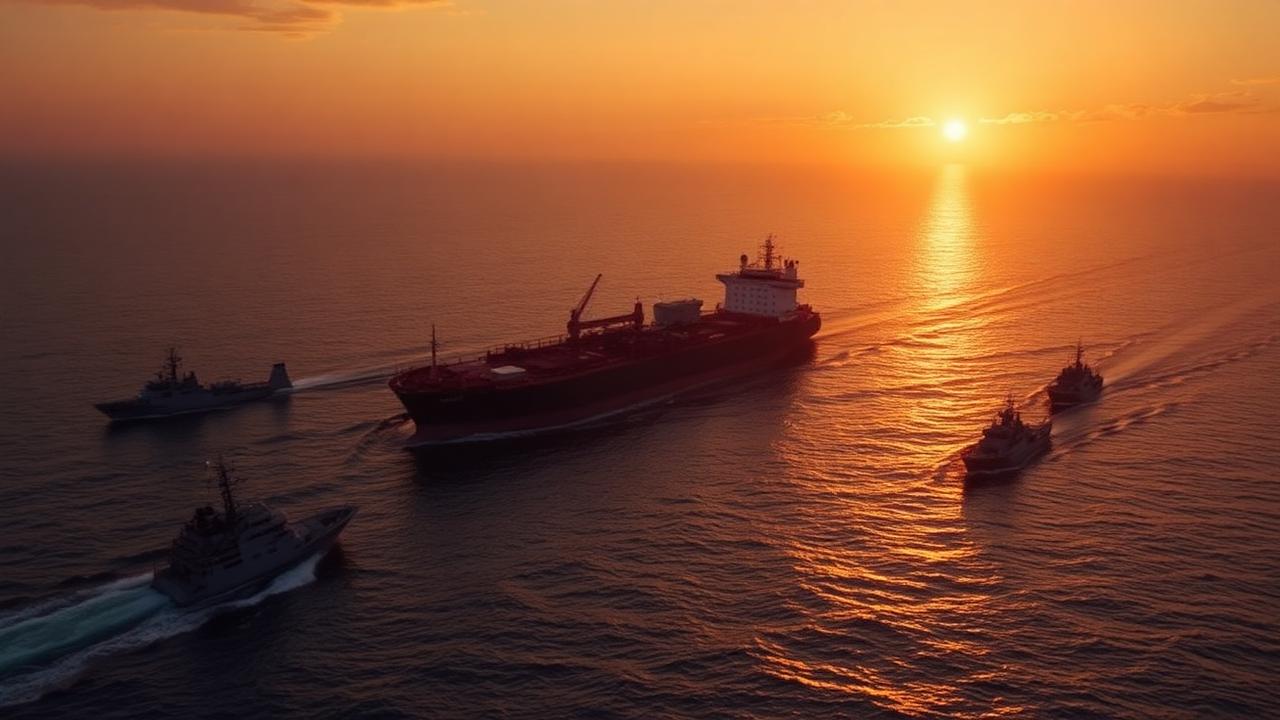
On March 4, Iran officially declared the Strait of Hormuz closed. This narrow maritime route, through which 25% of the world's oil and 20% of liquefied natural gas normally transit, turned into a war zone. The Revolutionary Guard laid mines, attacked merchant ships, and threatened any vessel attempting passage without authorization. Within days, maritime insurers activated their war clauses: no ship owner could send their vessels without risking total ruin. Result: approximately 1,600 vessels trapped, their crews unwilling hostages of a geopolitical standoff. Ten sailors have already died in this blockade, confirmed Marco Rubio.
On April 13, the United States superimposed its own naval blockade of Iranian ports onto the closure already imposed by Tehran. A double closure unprecedented in the history of modern conflicts. The global economic cost of the blockade is in the hundreds of billions of dollars lost each month.
Project Freedom: Two Days, Two Ships
Faced with the humanitarian emergency of the trapped sailors, Washington launched "Project Freedom" in early May: US military convoys were to escort merchant ships to the exit of the strait. On the first day, US naval forces opened a corridor and sank six Iranian patrol boats that were threatening the convoys. Concrete result: two merchant ships managed to pass. Only two, out of the hundreds blocked. On Tuesday, May 5, Trump suspended the operation, citing positive signals from Pakistani mediators.
"Assuming Iran accepts what has been agreed upon, the legendary Epic Fury will be terminated, and the very effective blockade will allow the Strait of Hormuz to be OPEN TO ALL, including Iran. Otherwise, the bombing will resume," Donald Trump wrote on Truth Social on May 6. France reacted by deploying its nuclear-powered aircraft carrier to the Red Sea. Emmanuel Macron proposed a multinational French-British mission to secure freedom of navigation, demanding that "all parties lift the blockade of the strait, without delay and without conditions."
The American Proposal in One Sheet
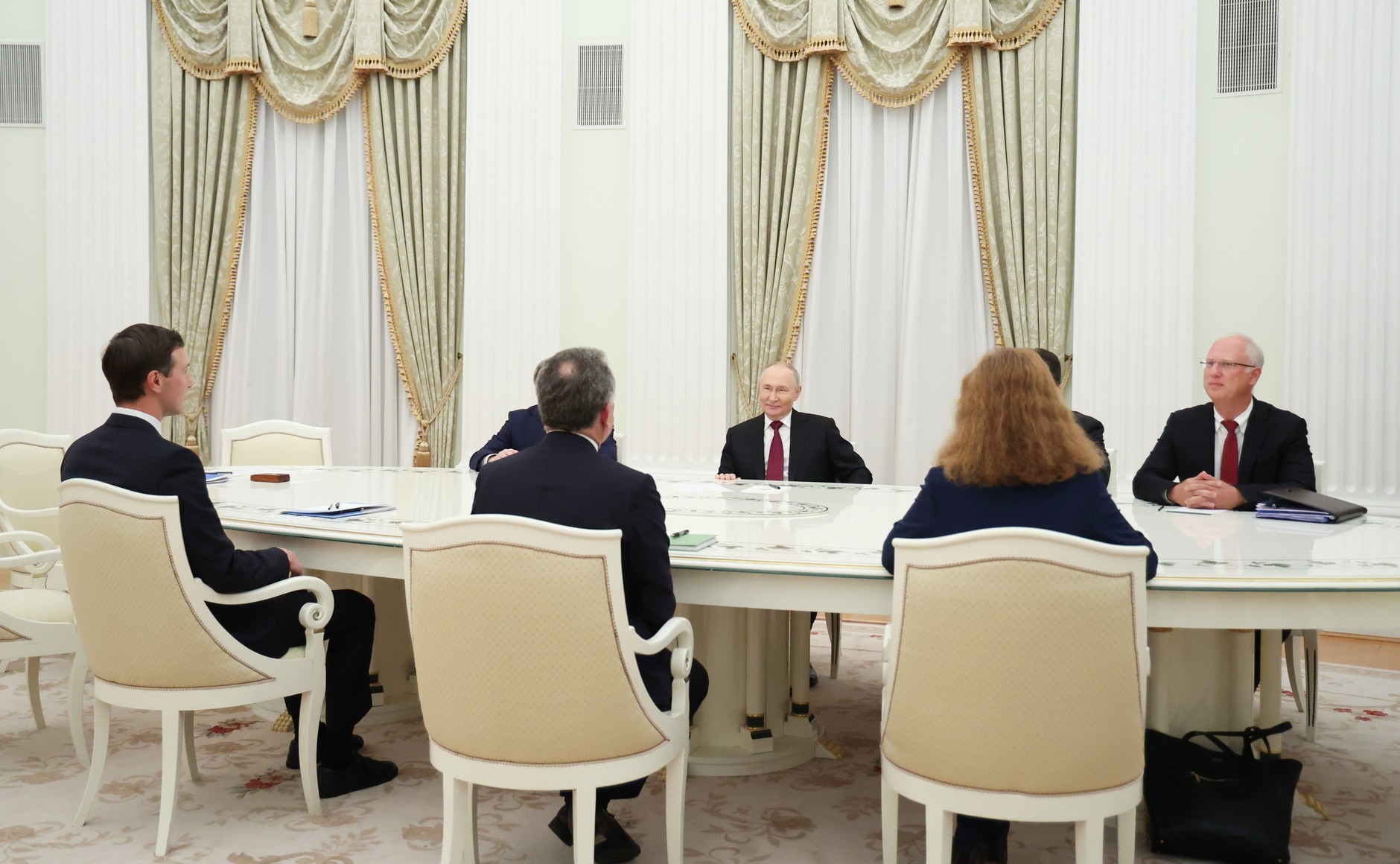
At the heart of the negotiations is a one-page document: a declaration of an end to the war triggering 30 days of negotiations on the three major points of friction. First point: the nuclear program. The American proposal would include a moratorium on uranium enrichment above 10 years—a reduction from the previous demand of 20 years—as well as the transfer of the highly enriched uranium stockpile out of the country. Second point: the unfreezing of Iranian assets frozen by US sanctions. Third point: the future security regime in the Strait of Hormuz. This deliberate simplification aims to give Iranian moderates manageable arguments against the regime's hardliners.
Tehran remains entrenched in its positions: nuclear enrichment is "non-negotiable," and Iran refuses to part with its approximately 400 kilograms of highly enriched uranium. Iranian Foreign Ministry spokesperson Esmaeil Baghaei confirmed that "the exchanged texts are under ongoing review." An Iranian parliamentarian candidly summarized Tehran's stance: this proposal looks more like "an American wish list than a reality."
The Global Stakes of a Response
Trump told PBS News he is "optimistic" about an agreement before his planned trip to China next week, while acknowledging the fragility of the process. Israel is closely monitoring the negotiations, with Benjamin Netanyahu seeking to ensure no agreement compromises Israeli security gains. Pakistani Prime Minister Shehbaz Sharif, a key mediator, expressed optimism, thanking Trump for his "courageous pause" in Project Freedom. A reopening of the strait would instantly release 25% of global oil trade and reduce energy prices in the coming weeks.
Editorial Opinion
This crisis represents one of the most perilous geopolitical moments since the Gulf War. What is striking is the brutality of the methods—a double naval blockade, trapped merchants, dying sailors—contrasting with the peace rhetoric displayed by both sides. The deliberate simplification of the American proposal to a single page reveals real tactical lucidity: Trump is trying to give Iranian moderates a manageable tool against their own hardliners. It's smart, but fragile. The history of US-Iranian negotiations teaches us that announced progress is often preceded by last-minute collapses. The real question is not 'can we sign?' but 'who in Tehran has the power to make an agreement stick?'
Key Takeaways
- February 28, 2026: Launch of "Operation Epic Fury" by the United States and Israel; death of Ali Khamenei.
- The Strait of Hormuz has been blocked since early March: approximately 1,600 ships trapped, 25% of global oil trade interrupted.
- May 5: Trump suspends Project Freedom but maintains the naval blockade of Iranian ports.
- The American proposal is contained in one page: end of war + 30 days on nuclear, frozen assets, and maritime security.
- Iran submits its response to Pakistani mediators today, May 7. Red line: nuclear enrichment remains non-negotiable.