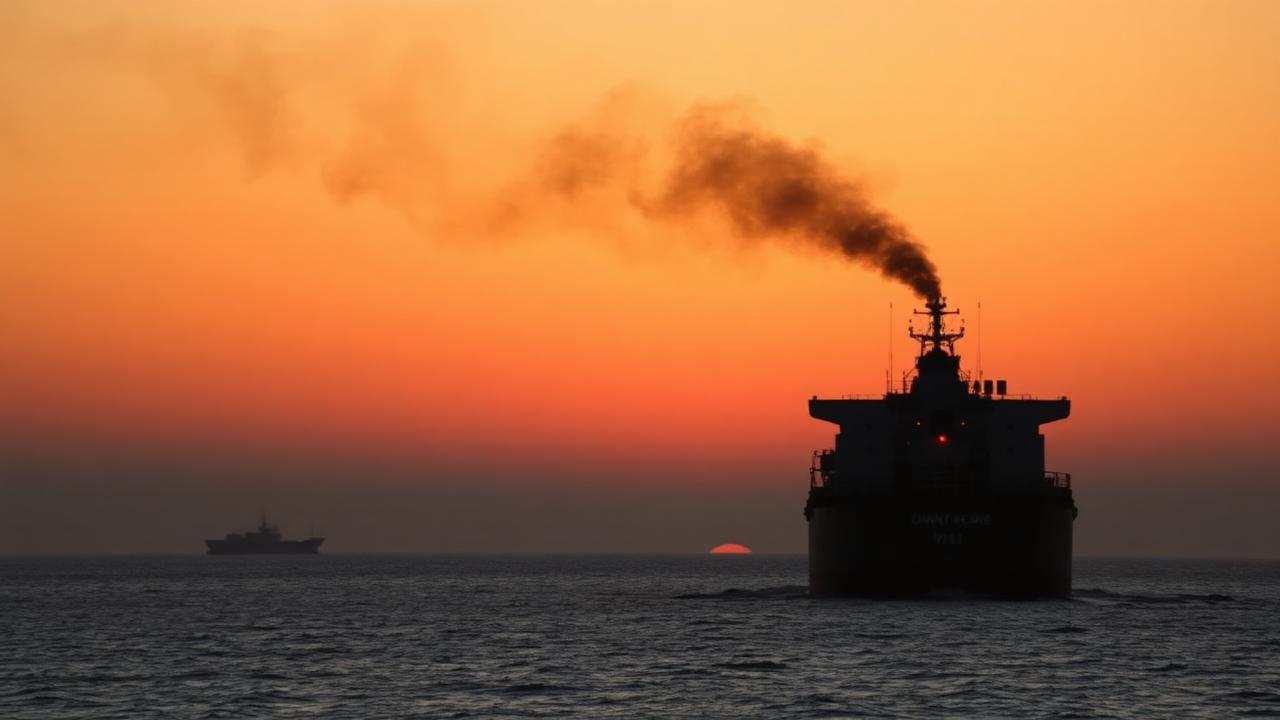
Since February 28, 2026, the Middle East has been plunged into a conflict of unprecedented scale in decades. The American-Israeli operation named 'Epic Fury' triggered an open war against Iran, dragging the fragile balances of the Persian Gulf, Lebanon, and Iraq in its wake. Three months after the first shot, where do we stand?
What Triggered the War
The death of Ali Khamenei during an American-Israeli strike marked the tipping point. Since then, Iran has retaliated with thousands of Shahed drones and ballistic missiles targeting the Gulf monarchies – Saudi Arabia, the United Arab Emirates, Kuwait, Bahrain. The Strait of Hormuz, through which 20% of global oil and natural gas exports normally transit, has been temporarily closed several times, pushing the price of a barrel beyond $100.
A new supreme leader, Mojtaba Khamenei, the son of the deceased, has been appointed by Iran. His legitimacy remains contested, both internally and on the international stage.
A Precarious Ceasefire
On June 3, 2026, Iranian drones and missiles targeted Kuwait International Airport and several cities in Bahrain, despite promises of de-escalation. France condemned these strikes in the strongest terms and reaffirmed its solidarity with its Gulf partners. Paris calls for a lasting ceasefire and a robust diplomatic solution, the only one capable of avoiding further regional escalation.
The Gulf monarchies, long considered safe and prosperous areas, are seeing tourists and expatriates pack their bags. Instability weighs on local economies, highly dependent on international capital flows.
The Human Cost: Difficult to Quantify
Several thousand deaths and nearly a million displaced people are mentioned in the available partial estimates. The belligerents practice strictly controlled information, making any independent estimate extremely difficult. Three American soldiers have officially died since the start of operations, according to the Pentagon.
What Prospects?
French diplomacy remains actively engaged. Foreign Minister Jean-Noël Barrot received his Kuwaiti counterpart on May 15 and maintains regular contact with the parties. The European Union is also pushing for a resumption of negotiations on the Iranian nuclear program – the only framework that, according to European chancelleries, can establish lasting peace.
On the ground, the depletion of Iran's missile and drone resources could open a window for de-escalation in the coming weeks. However, neither party has officially signaled a willingness to negotiate a formal ceasefire.
To Remember
- Three months of war since February 28, 2026, and Operation 'Epic Fury'.
- Mojtaba Khamenei appointed supreme leader after his father's death.
- Oil barrel beyond $100 due to disruptions in the Strait of Hormuz.
- France diplomatically active, in contact with Kuwait and the EU.
- No formal ceasefire negotiations to date.