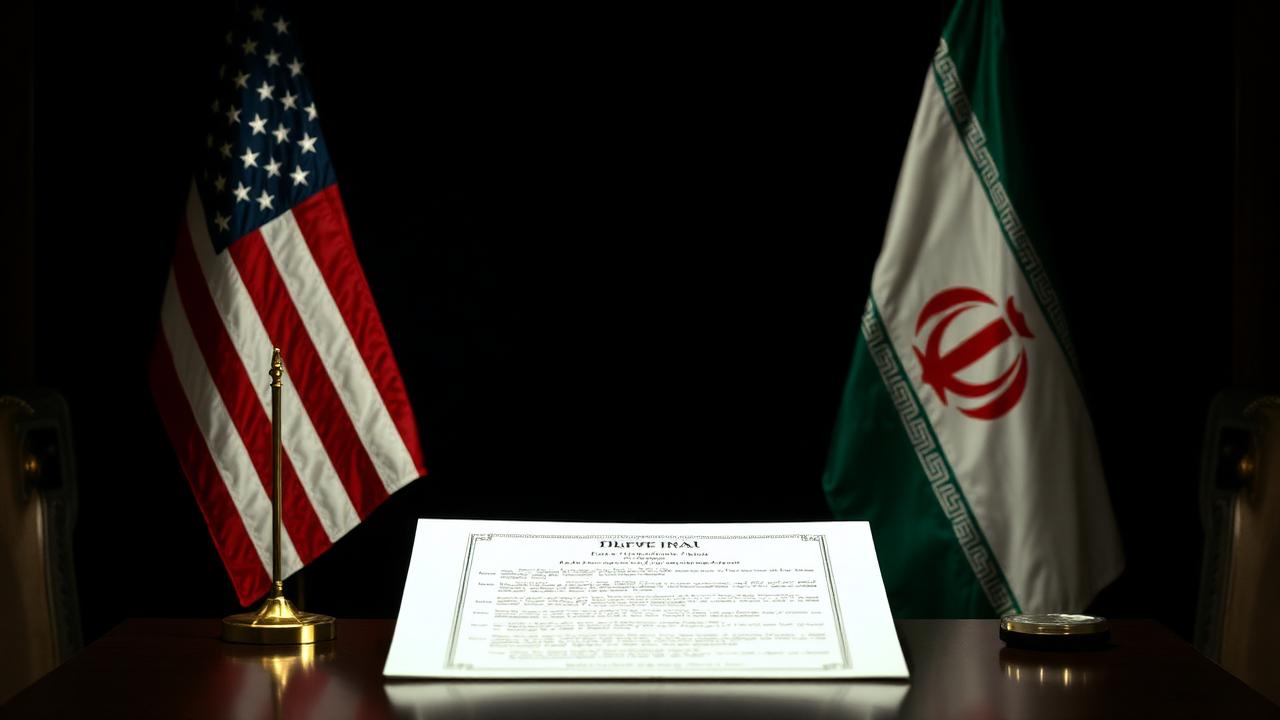
President Donald Trump announced late Tuesday, April 7 -- less than two hours before his own ultimatum to Tehran was set to expire -- a two-week ceasefire with Iran. On his Truth Social network, Trump wrote that the two countries were "very far along" in a "final" peace deal and that he agreed to suspend strikes to allow negotiations to continue. Iran simultaneously announced the reopening of the Strait of Hormuz, vital for the transit of 20% of the world's oil, and the holding of talks in Islamabad under Pakistani mediation. Washington and Tehran are each claiming victory: Trump speaks of a "total and complete victory," while Iranian diplomacy claims to have secured US acceptance of a ten-point plan. (
This ceasefire comes on the 40th day of a conflict that has stunned the world. Since the start of hostilities between Washington, Israel, and Iran, the crisis has caused oil prices to soar above $120 a barrel, disrupted global supply chains, and raised fears of nuclear escalation. Pakistan, playing an unexpected mediating role, has secured the negotiations to be held on its soil, in Islamabad. According to the known terms of the agreement, offensive military operations are suspended, but the situation in Lebanon remains unclear: Israel has stated that the ceasefire does not extend to southern Lebanon, where its ground invasion continues, while Pakistan maintains the opposite. (
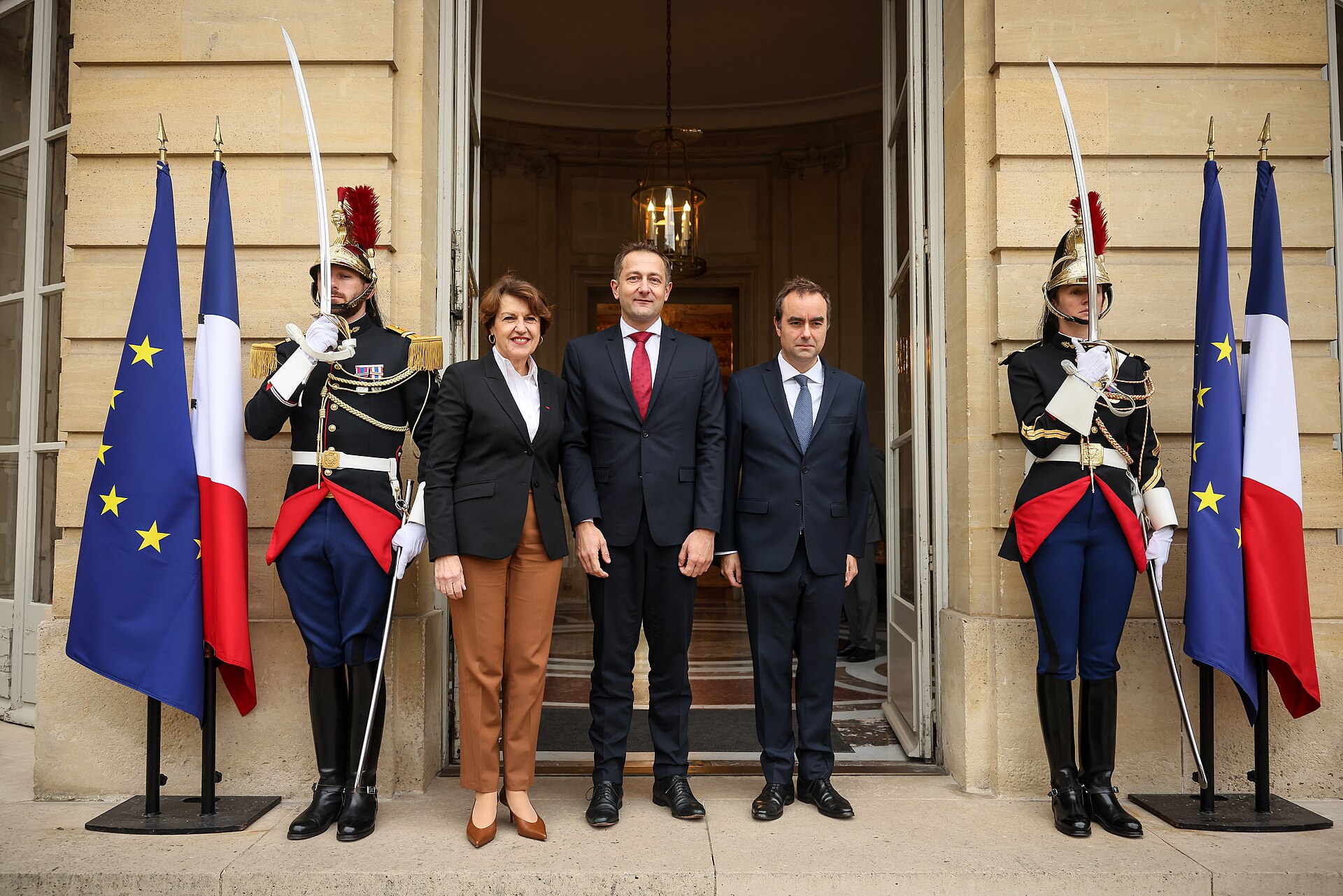
The international community has greeted the announcement with a mix of relief and caution. The European Union hailed it as a "necessary first step" while calling for "lasting peace." China and Russia were more measured, noting that American conditions remained "unacceptable" in the long term. In Paris, Emmanuel Macron convened a national defense and security council for Wednesday morning at the Élysée Palace to assess the situation. The Minister of the Armed Forces, Sébastien Lecornu, also announced checks on pump prices, stating that "prices must fall as quickly as they rose." Markets reacted positively: oil fell by 8% in one day, while the S&P 500 gained 2.3%. (
Geopolitical analysts, however, remain very skeptical about the solidity of this agreement. The ceasefire is described as "fragile" by most observers: Israeli strikes on the southern suburbs of Beirut, occurring just hours after the announcement, illustrate the gray areas of the deal. Experts from the think tank Crisis Group recall that Trump has already changed his mind several times during this conflict, and that the two-week window is extremely short to negotiate a comprehensive agreement on Iran's nuclear program, troop withdrawal, and peace terms with Israel. The BBC summarizes the situation thus: "Trump has found a temporary exit, but at a high cost—and with no guarantee that the door will remain open." (
For the French, the consequences of this conflict are very concrete. The surge in oil prices has caused an increase of 25 to 30 cents per liter at the pump in a few weeks, weighing on purchasing power already weakened by inflation. Energy and food prices were directly impacted by the closure of Hormuz. If the ceasefire holds, markets should gradually normalize, but economists warn that a return to pre-crisis prices will take months. Uncertainty remains the watchword: in Tehran as in Washington, the hardliners in both camps have not said their last word. (