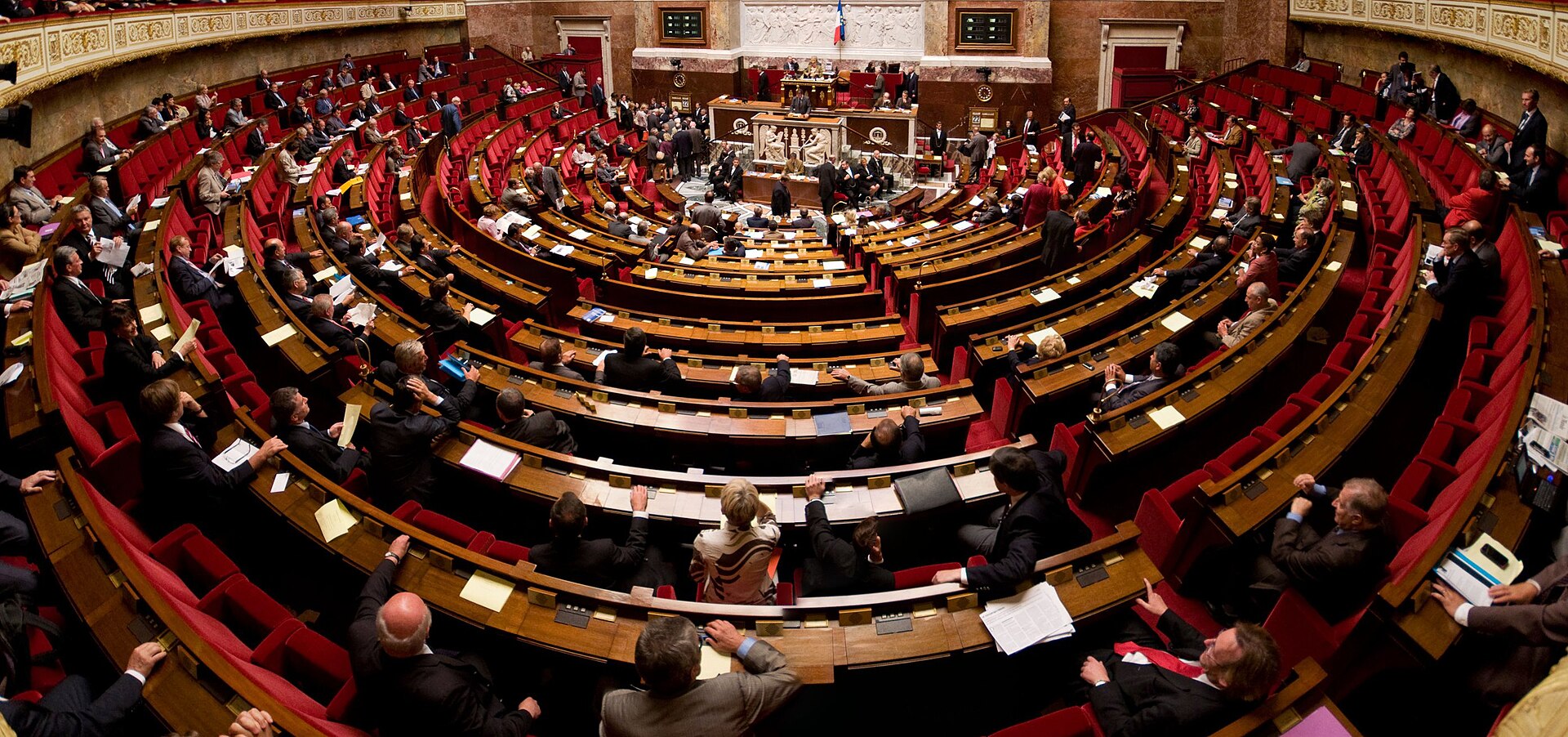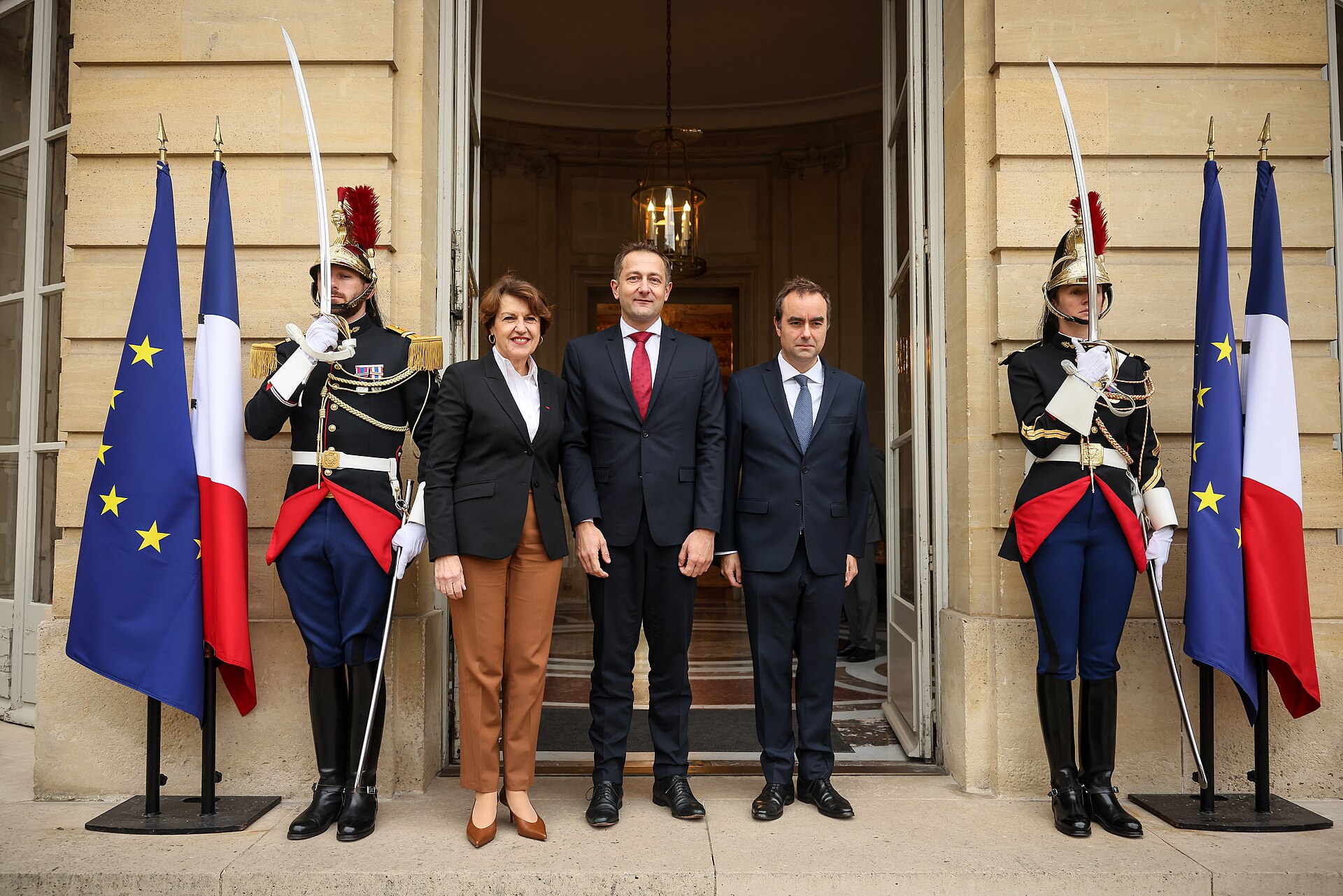

Presented to the Chamber on Friday, June 5th, by Budget Minister Vincent Van Peteghem, the 2026 program law project of the Arizona government—a coalition between N-VA, MR, Les Engagés, CD&V, and Vooruit, led by Bart De Wever—marks the new federal majority's first fully assumed budgetary exercise. It is set to be a structuring element for the entire legislative term.
9.8 billion euros in effort, spread over two years
The core of the proposal: bringing Belgium's public deficit below the 3% of GDP threshold by 2027, in line with commitments made under the new European Stability Pact. To achieve this, the government is combining three levers: 5.2 billion euros in spending cuts (pension reform, recalibrating unemployment benefits based on duration, partial freeze on the indexation of certain administrative scales), 3.1 billion euros in new revenue, and 1.5 billion euros in measures to combat tax fraud.
The pension reform—gradually pushing back the effective retirement age through an intensified bonus-malus system, and ending the more favorable calculation for public careers—is at the heart of union opposition. The FGTB and CSC have announced a national day of action on June 24th, the first major social test for Bart De Wever.
Key figures for the 2026 budget
- €9.8 billion: total budgetary effort over two years.
- 3%: target for public deficit to be reached in 2027.
- 10%: flat rate for the new tax on private financial capital gains, with an annual allowance of €10,000 per taxpayer.
- 30%: withholding tax maintained on dividends and interest, with no changes.
- +1.5%: net effort required from the wealthiest households through new personal income tax brackets.
- +0.7 percentage point of reduced VAT abolished on about ten goods excluding basic food items.
The new capital gains tax, a cornerstone—and an internal casus belli
The most politically divisive measure remains the creation of a general tax on private financial capital gains at a flat rate of 10%, with an annual allowance of €10,000. Long demanded by Vooruit and Les Engagés, it was historically a red line for the MR. The compromise reached—a moderate rate, a broad allowance, exemption for primary residences and pension savings plans—illustrates the delicate balance within the Arizona coalition.
Financial circles—Febelfin, Beama, Euronext Brussels—cautiously welcome a clear framework, significantly less aggressive than versions discussed at the start of the legislative term. Saver associations, conversely, denounce a break with the Belgian tradition of exempting capital gains for private individuals managing their assets as a prudent homeowner.
The Flanders-Wallonia equation remains present
Behind the figures, Belgium's federal mechanics continue to operate. The increase in defense spending (aiming for 2% of GDP by 2027) and continued support for the Regions involve transfers whose distribution remains a subject of persistent tension between Flanders, Wallonia, and Brussels-Capital. The budget project also opens up a sensitive undertaking: the gradual transfer of the automatic salary indexation competence to the Regions, a symbolic measure in Belgium that unions historically hold dear.
What's at stake now
The text will be examined in the Finance Committee starting June 16th, with a plenary vote scheduled for mid-July. Three uncertainties mark the coming weeks: the scale of union mobilization, the solidity of the parliamentary majority on the capital gains tax (where some MR votes might be lacking), and the European Commission's opinion on the multi-year trajectory, expected at the end of June.
To remember
- 9.8 billion euros in Belgian budgetary effort for 2026-2027.
- New capital gains tax at 10%, with a €10,000 annual allowance.
- Stricter pension reform: effective retirement age pushed back, union day of action on June 24th.
- 3% deficit target to be reached in 2027, in accordance with European rules.
- Plenary vote in the Chamber of Representatives scheduled for mid-July 2026.