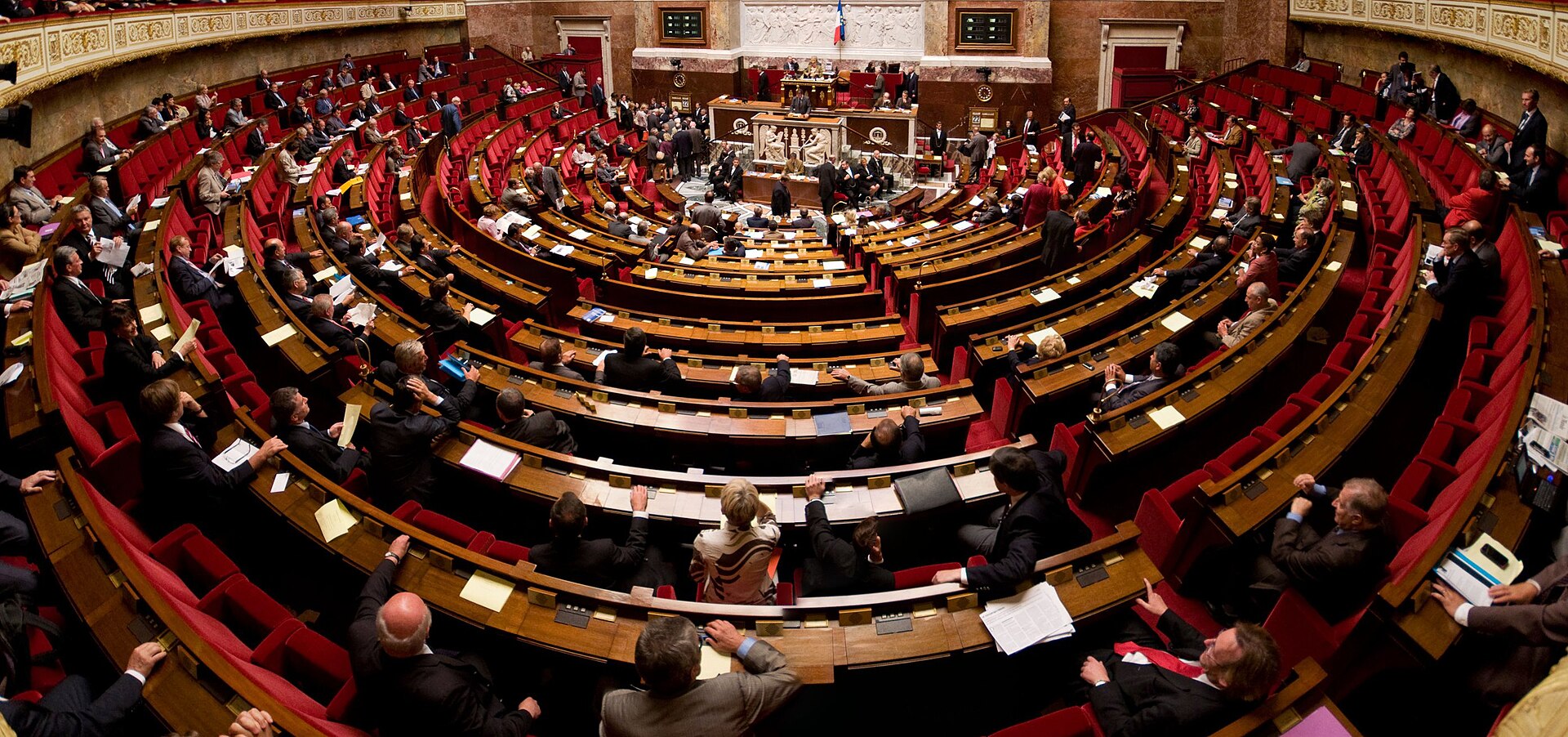
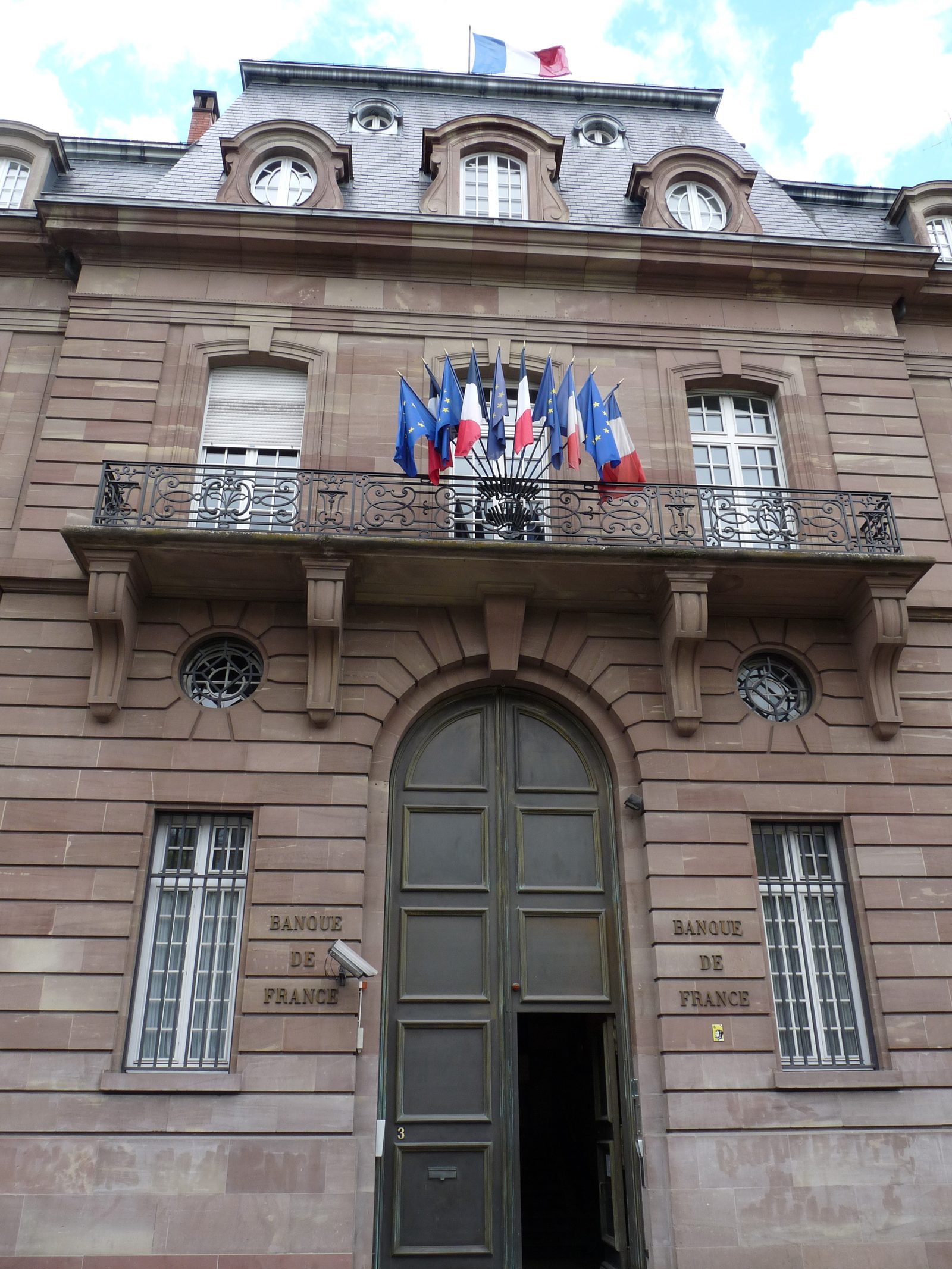
In a packed Salle Lamartine, the Finance Committee of the National Assembly welcomed, this Wednesday, May 20, 2026, at 9:30 am, Emmanuel Macron's candidate for the position of Governor of the Banque de France. Emmanuel Moulin, 56, former Secretary-General of the Élysée and long-time Director of the Treasury, arrived alone, file under his arm, to answer deputies' questions for nearly three hours. In the afternoon, it was the turn of the Senate's Finance Committee, chaired by Claude Raynal, to hear him. Two decisive votes, scheduled for the end of the day, were to allow – or prevent – his appointment as the successor to François Villeroy de Galhau, who has held the post since 2015.
A Career That Crystallizes Suspicion
Moulin's candidacy is far from insignificant. He has been one of the Head of State's closest advisors since 2017, briefly serving as Minister Delegate for Public Accounts in 2024, and then as Alexis Kohler's right-hand man at the Élysée. It is precisely this proximity that has sparked a cross-party backlash, from the Rassemblement National to the Green group, including a portion of the Républicains. On Tuesday, May 19, several parliamentarians had publicly spoken of an 'indulgent choice,' recalling that the Banque de France sits on the Governing Council of the European Central Bank and that the independence of its governor is a constitutional as well as conventional principle.
'I Will Be a Free Man'
The candidate had anticipated this. From his opening remarks, he hammered home the phrase that served as a leitmotif for his hearing: 'I will be a free man at the head of the Banque de France.' According to the committee's reports, Moulin recalled that he had, on several occasions during his career, defended unpopular positions with the executive – particularly during the 2022 energy crisis and when drafting the 2024 stability program. He also cited, as statutory guarantees, the non-renewable six-year term, the dismissal procedure provided for in Article 14.2 of the ESCB Statute, and the organic separation from Bercy.
The Qualified Majority of Three-Fifths
The procedure provided for in Article 13 of the Constitution requires that the combined negative votes of the two committees do not reach three-fifths of the votes cast for the nomination to be validated. At the Palais-Bourbon, positions were known: the presidential majority, the Républicains, and Horizons were to vote in favor; the united left and the RN were to vote against. In the Senate, more difficult to predict, the committee has 49 members, including a majority of LR senators often inclined to approve presidential choices on monetary matters. At 6 pm, the sum of the two votes left little doubt about the outcome: Moulin crossed the threshold, but by a narrow margin, without the consensus his predecessor had achieved in 2015.
What Course for the Banque de France?
Beyond the man, it is the course that raises questions. When questioned about the economic outlook, Moulin confirmed his orthodox view: the necessity of continuing French budget consolidation, vigilance regarding the public debt trajectory, now exceeding 116% of GDP, and support for the ECB's strategy of maintaining the deposit rate at 1.75% as long as disinflation is not durably anchored. On regulation, he stated his intention to strengthen oversight of neobanks and crypto platforms, following the tensions of winter 2025. On innovation, he confirmed his commitment to finalizing the deployment of the digital euro in a test zone, scheduled for the fourth quarter of 2026.
A Sensitive Succession
François Villeroy de Galhau will officially leave his duties on May 30, after eleven years marked by the outbreak of the pandemic, the war in Ukraine, the inflationary shock of 2022-2023, and the sequence of tensions in the Middle East since 2025. His European stature – he is one of the deans of the ECB Governing Council – leaves his successor a prestigious but exposed seat. The Banque de France employs nearly 9,500 people, supervises 760 credit institutions, and manages France's gold reserves, the second-largest stock in the world after the United States. The choices of the next governor will immediately weigh on the financing conditions for the state and businesses.
Opposition That Does Not Back Down
Following the hearing, several deputies announced they would refer the matter to the Court of Justice of the European Union in case of doubt about the functional independence of the future governor – a rare procedure but one legally open. On the union side, the representative staff organizations of the Bank requested a swift meeting to discuss staffing trends and service modernization. The atmosphere, compared to the serenity that surrounded Christian Noyer's appointment in 2003, illustrates how much the institution has become, in twenty years, a political object in its own right.
Editorial Opinion
The appointment of Emmanuel Moulin, if confirmed, will be the most politically charged since 1993. On substance, his profile – solid, experienced, familiar with European trade-offs – is not scandalous: he is, in many ways, the most technically prepared candidate to take over rue de la Vrillière. But in a democracy, perception matters as much as competence: entrusting the Central Bank to a man who left the presidential office eighteen months ago poses an image problem that European institutions cannot ignore indefinitely. It is now up to Moulin to transform this initial suspicion into undeniable authority. This will be the challenge of his next six years.
Key Takeaways
- Wednesday, May 20, 2026: Emmanuel Moulin heard in the morning at the National Assembly, in the afternoon at the Senate.
- The candidate, former Elysée Secretary-General, would succeed François Villeroy de Galhau from May 30.
- Repeated promise: 'I will be a free man' at the head of the Banque de France.
- Vote under Article 13 of the Constitution procedure, default validation by three-fifths negative votes.
- Course confirmed: budgetary orthodoxy, support for the ECB, deployment of the digital euro by the end of 2026.
- Cross-party criticism regarding independence, from the RN to the left, including part of the LR.