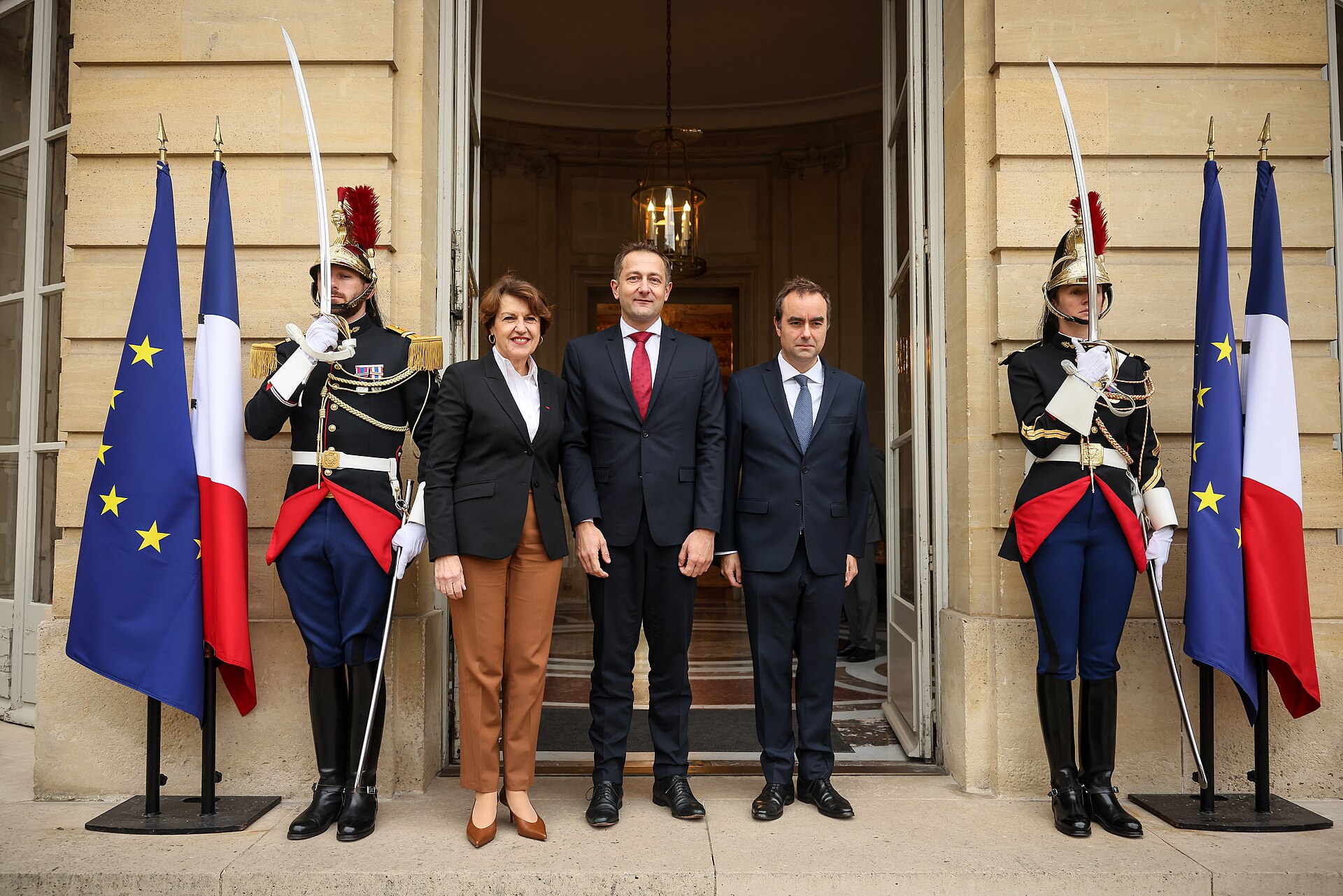
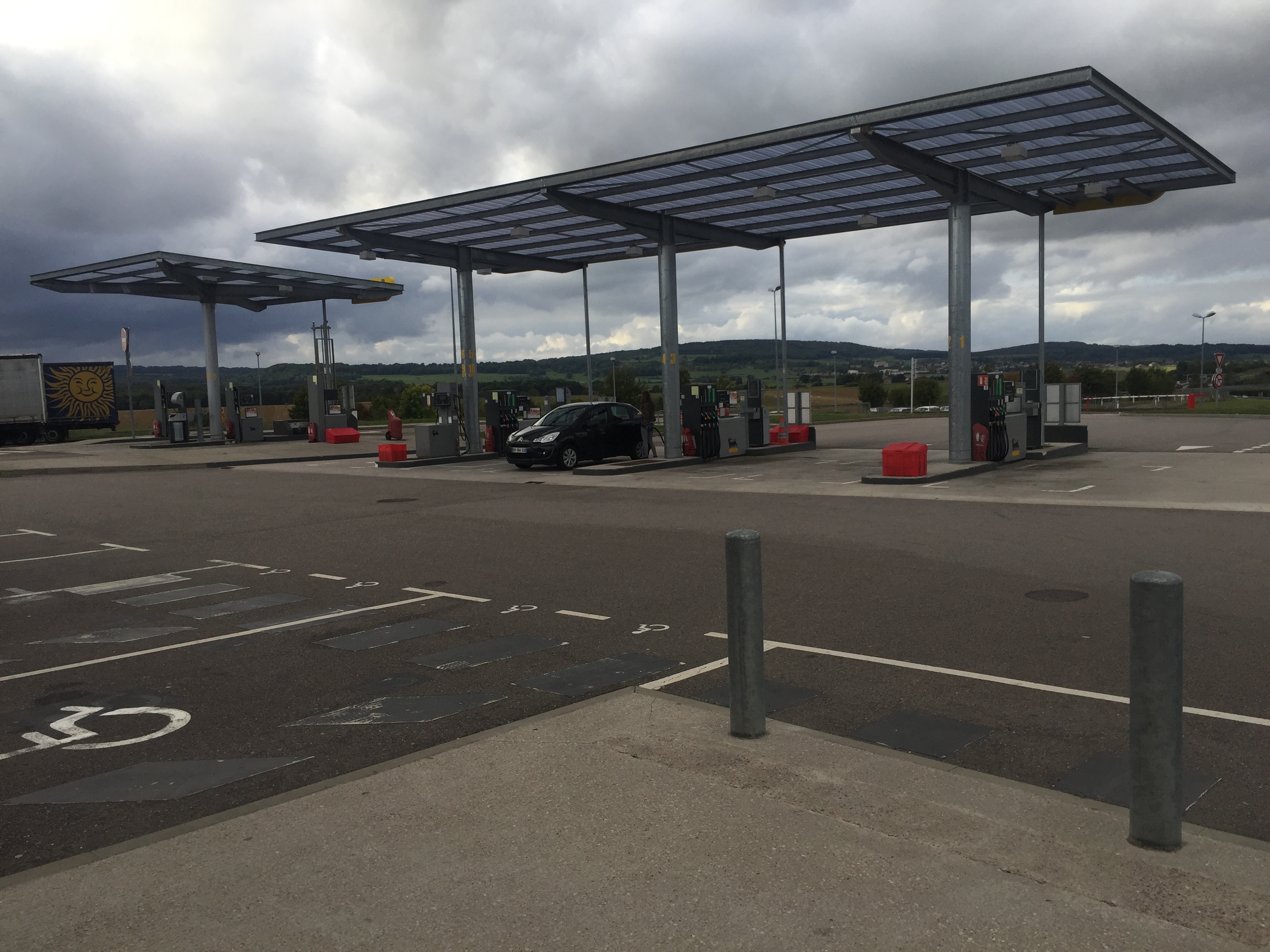
Twenty-four hours after Sébastien Lecornu's statement, the government specified on Wednesday, April 22, 2026, the mechanism for the new fuel aid promised to "heavy drivers." On RTL radio and then on the steps of the Elysée Palace after the Council of Ministers, government spokesperson and Minister Delegate for Energy Maud Bregeon spoke of "a flat-rate aid of 50 euros per person for this initial three-month period—April, May, and June," retroactive and paid from June to the beneficiaries' bank accounts. Minister of Public Accounts David Amiel, for his part, estimated the total cost of support measures at 180 million euros for May alone, compared to 150 million in April.
Who will be concerned?
The targeting is narrow, and this is the cause of all parliamentary tensions. To benefit from the 50 euros, three cumulative conditions are set by the decree being prepared at Bercy: belonging to the first five income deciles (tax reference income per share less than 16,410 euros), needing one's vehicle for work, and covering at least 12,000 kilometers per year for these professional trips. According to estimates from the Ministry of Ecological Transition relayed by Le Figaro, approximately 4.3 million French people should be eligible, which is significantly less than the 11 million beneficiaries of the "fuel allowance" in 2023.
Unusual Retroactivity
The novelty lies mainly in the retroactivity. For the first time since the "energy check" in 2018, the state agrees to pay aid for expenses already incurred at the time of payment. Concretely, a motorist who filled their tank in April and May will receive their aid in June without having to provide proof beyond their 2025 tax return and an online form on impots.gouv.fr. The Directorate General of Public Finance has been entrusted with managing the system, similar to what was done for the energy transition bonus. The first payments are expected between June 15 and June 25.
The Bill Quickly Adds Up
The budgetary cost continues to increase. David Amiel confirmed on Boursorama on Wednesday at 2:35 PM that fuel aid and the extension of certain support measures will cost 180 million euros in May, after 150 million in April. If the surge continues until the end of June as the Treasury services fear, the total bill for the "fuels" component alone could reach 600 million euros for the quarter. Added to this are the 6 billion euros already budgeted to absorb the macroeconomic impact of the conflict in the Middle East—a figure confirmed by Maud Bregeon on Tuesday before the Senate Finance Committee.
Oppositions Divided
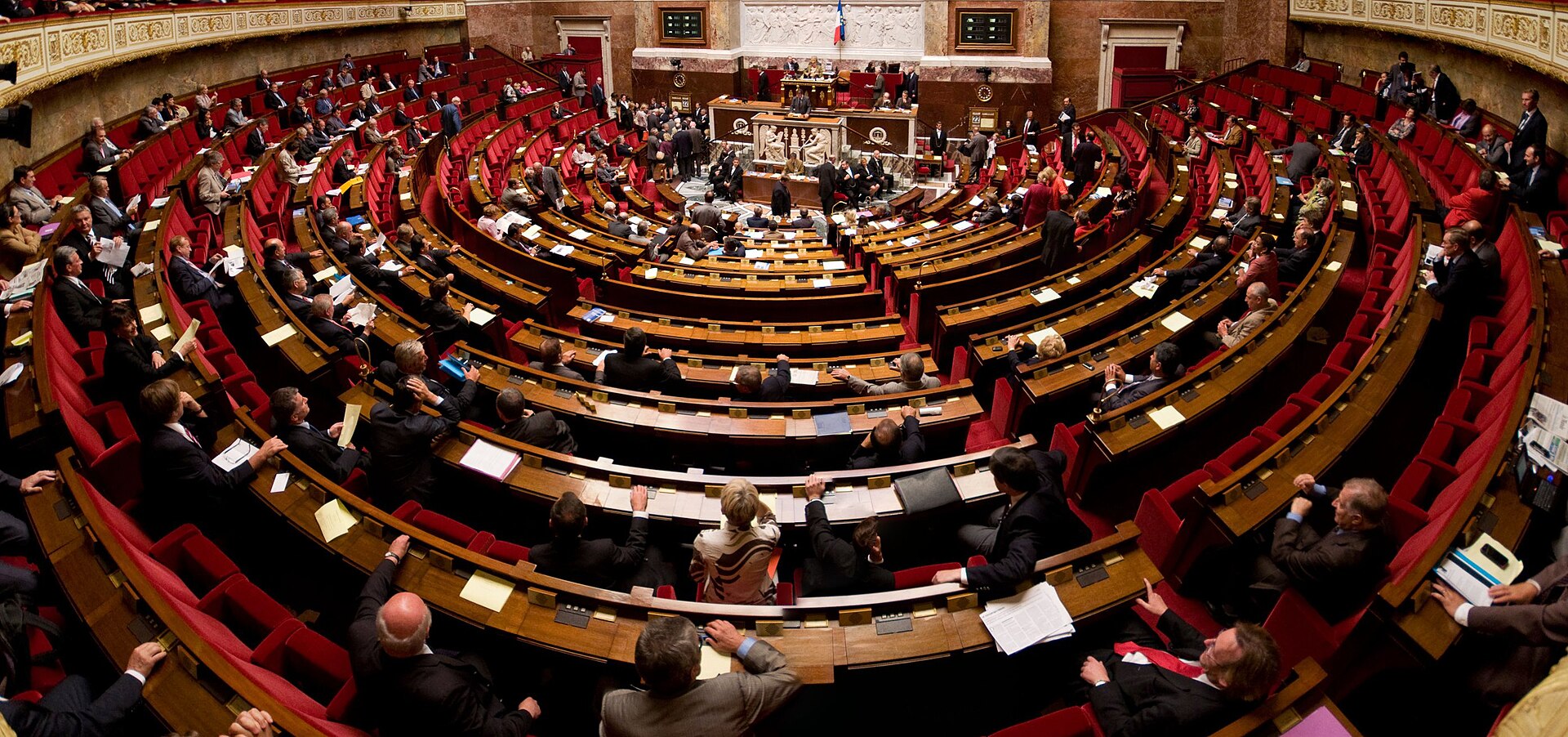
Political reactions illustrate the usual divide in the French landscape. The Rassemblement national, through Jean-Philippe Tanguy, considers the system "too narrow, too late, and symbolically insulting to the middle classes." On the left, La France insoumise is calling for "administrative price controls at 1.90 euros per liter" and immediate taxation of TotalEnergies' superprofits. Les Républicains, through Olivier Marleix, are voting for support "subject to a credible trajectory of declining public spending." The Horizons group, on the other hand, supports it without reservation. The vote on the draft amending finance law, expected on May 6, promises to be extremely close.
A Signal of Method
Beyond the figure, it is the method that marks this announcement: a targeted, capped, retroactive system—the opposite of the "check for everyone" from the 2022 Borne sequence. Bercy assumes a doctrinal shift and attempts to reconcile immediate support for the most exposed households with a debt reduction trajectory. It remains to be seen whether the French concerned will perceive this aid as a real safety net or as a political patch before the 2026 municipal elections.
Editorial Opinion
The "heavy drivers" aid is just in principle—it protects those who have no choice but to use a car—but insufficient in amount. Fifty euros over three months represents less than fifteen full tanks of fuel at 2.20 euros per liter. For a rural worker who drives 25,000 km per year, the annual surcharge linked to the current surge already exceeds 600 euros. The real answer cannot avoid a debate on floating TICPE and the acceleration of the deployment of the social electric leasing scheme, whose 2026 budget remains understated. The government is buying time. It is not solving the country's oil dependence.
Key Takeaways
- Flat-rate aid of 50 euros per person, paid from June and retroactive for April, May, and June.
- Conditions: modest tax income, professional use of the vehicle, at least 12,000 km per year.
- Approximately 4.3 million French people concerned, compared to 11 million in 2023.
- Total cost of aid estimated at 180 million euros in May and 150 million in April.
- Amending finance law expected on May 6 in the National Assembly.