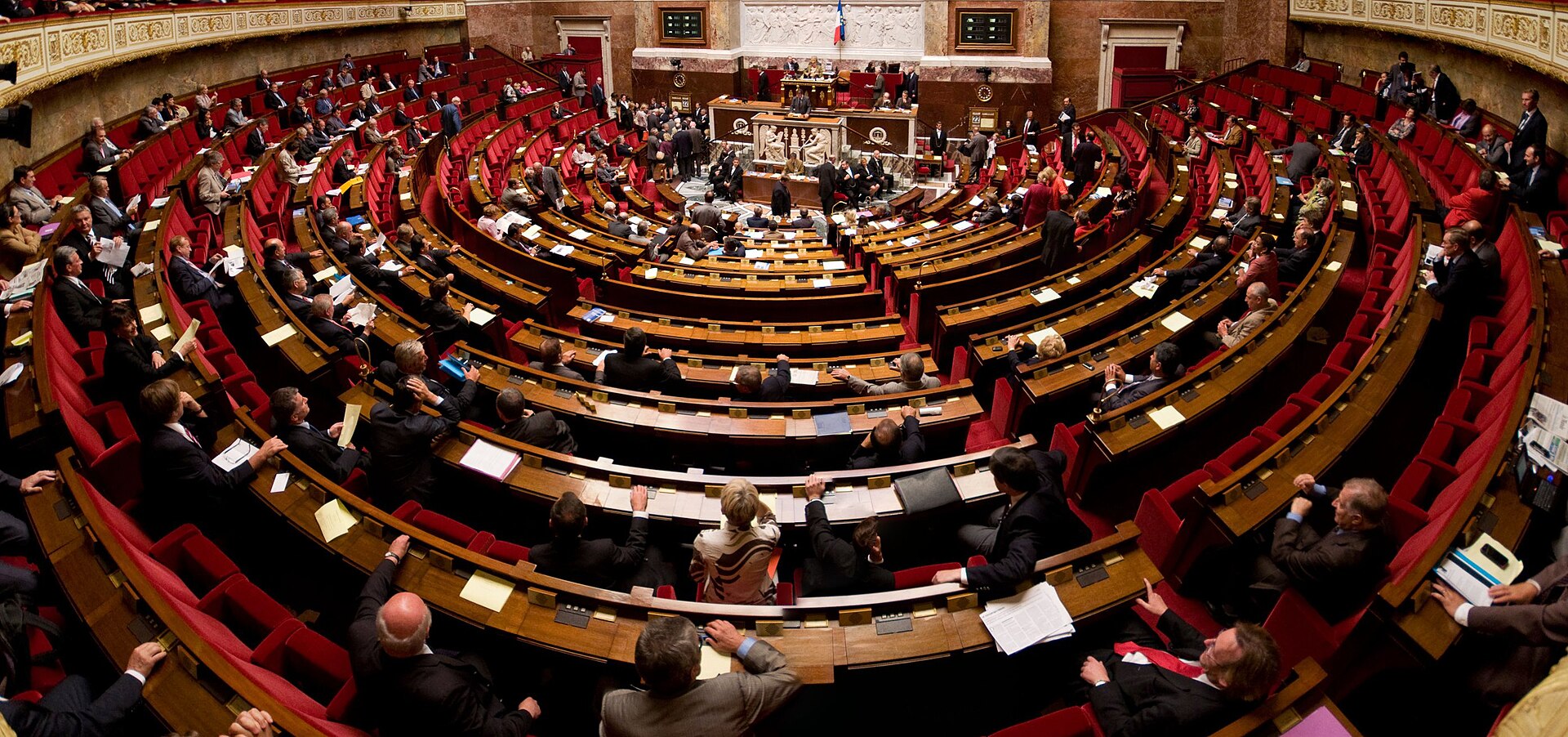

A text awaited for several years has just passed a decisive stage. MPs have adopted the bill allowing for the right to assisted dying, with a final vote scheduled for July 15 to complete the text's parliamentary journey. This legislative advancement marks a turning point in a societal debate that has spanned France for years, between proponents of a new freedom offered to terminally ill patients and defenders of a model focused exclusively on palliative care.
A Strict Framework, Designed to Prevent Abuses
The text strictly defines the conditions for accessing the mechanism. It concerns only individuals suffering from serious and incurable diseases that threaten their life prognosis, and not all situations of suffering or disability. This precise delimitation aims to pre-empt the most frequent criticisms leveled against this type of legislation, namely the risk of a gradual expansion of eligibility criteria, a phenomenon observed in some countries that legislated earlier on this subject.
A Divide that Cuts Across Parties
The vote was preceded by heated debates, reflecting a divide that does not follow traditional partisan lines. Supporters of the text see it as the culmination of a struggle for individual autonomy and dignity in the face of suffering, in continuity with the Leonetti and then Claeys-Leonetti laws, which gradually broadened patient rights at the end of life without ever crossing the threshold of active assisted dying. Other voices, on the contrary, rise to denounce what they perceive as social regression.
The Alert from Disability Associations
This is particularly the case within associations representing people with disabilities, several figures of whom have expressed grave concern after the vote. Some have denounced a text accused of endangering sick and disabled people, in a social context they deem hyper-ableist and unequal. The central argument: a choice is never totally free when it is part of a society that already precariousizes vulnerable people, due to insufficient resources allocated to palliative care and support for the elderly and disabled.
France's Lag in Palliative Care
This point crystallizes most of the criticisms addressed to the government since the beginning of the text's examination: the fear that assisted dying might become, de facto, a default solution due to an insufficiently developed palliative care offer across the entire territory. France indeed suffers from a structural delay in this area, with significant disparities between departments in access to these services.
Two Decisive Weeks
Before the final vote on July 15, the text could still be subject to adjustments, particularly regarding the precise modalities of the conscientious objection clause granted to healthcare professionals or the reflection periods imposed on patients. The coming days promise to be decisive, both for parliamentarians and for all medical and associative stakeholders mobilized on this issue for months.
The Editorial Opinion
One of the most sensitive societal issues. The legitimacy of the concerns expressed by disability associations cannot be dismissed out of hand: they rightly remind us that a law of freedom only produces its expected effects in a society capable, upstream, of guaranteeing to the most vulnerable the material means for a true choice.