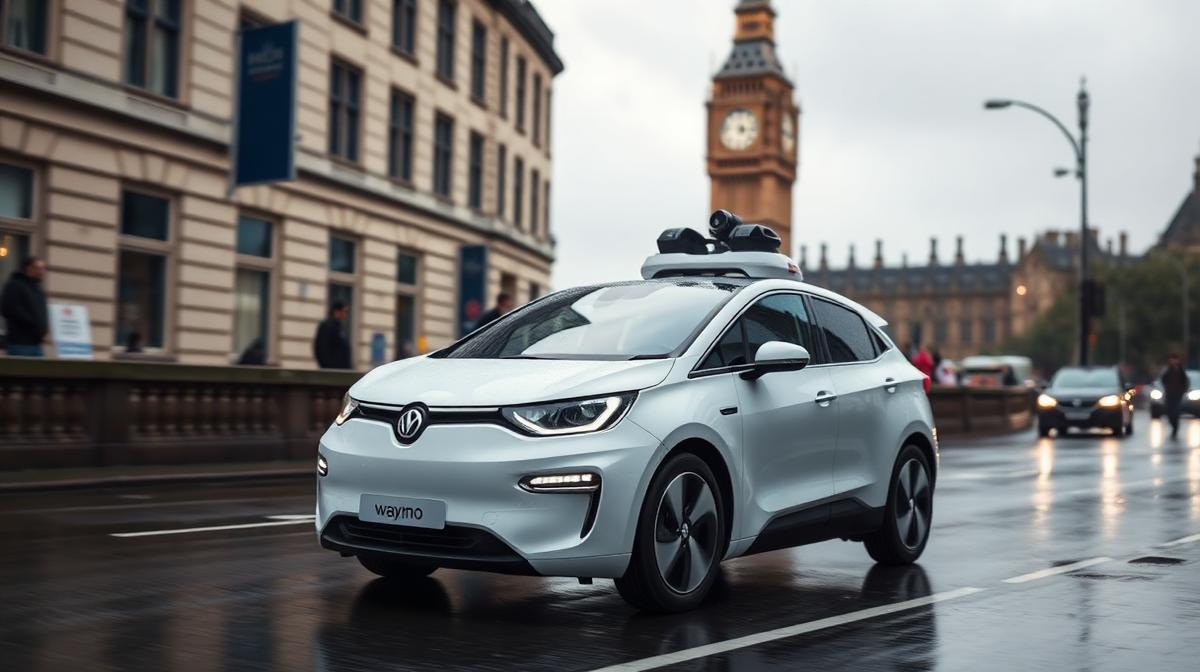
Waymo, the autonomous driving subsidiary of Alphabet (Google), announced on March 27, 2026, that it is now completing 500,000 paid rides per week in 10 American cities, a tenfold increase in less than two years. The company aims for 1 million weekly rides by the end of 2026.
Waymo operates at Level 4 autonomy – fully autonomous driving within defined geographical areas (geofenced). Level 5, which would allow autonomous driving everywhere and under all conditions, remains an unachieved goal for any manufacturer worldwide in 2026. Experts estimate it will still require several more years of development.
In Europe, the regulatory framework is evolving. The European Union adopted a regulation in 2022 authorizing Level 3 automated driving systems (the driver can release the steering wheel under certain conditions). Mercedes-Benz was the first manufacturer to obtain Level 3 homologation for its Drive Pilot system, limited to highway traffic jams at a maximum speed of 60 km/h.
Chinese manufacturers are advancing rapidly. Baidu Apollo operates a robotaxi service in Wuhan and Beijing. Pony.ai has obtained a robotaxi license in Guangzhou. China is the most advanced market in terms of permits granted for autonomous driving in urban environments.
The potential societal impact remains considerable. The WHO reminds us that road accidents kill approximately 1.19 million people worldwide each year, and that 90% of accidents are related to human error. Autonomous vehicles could significantly reduce this toll, but their large-scale deployment raises questions about employment (professional drivers), insurance, and legal liability.
The autonomous vehicle market is in a consolidation phase: several startups have gone bankrupt (Argo AI in 2022), while the best-funded players – Waymo, Cruise (GM, paused after an accident), Tesla (no LiDAR approach) – are concentrating investments. The year 2026 is considered a turning point for the industrial maturity of the sector.