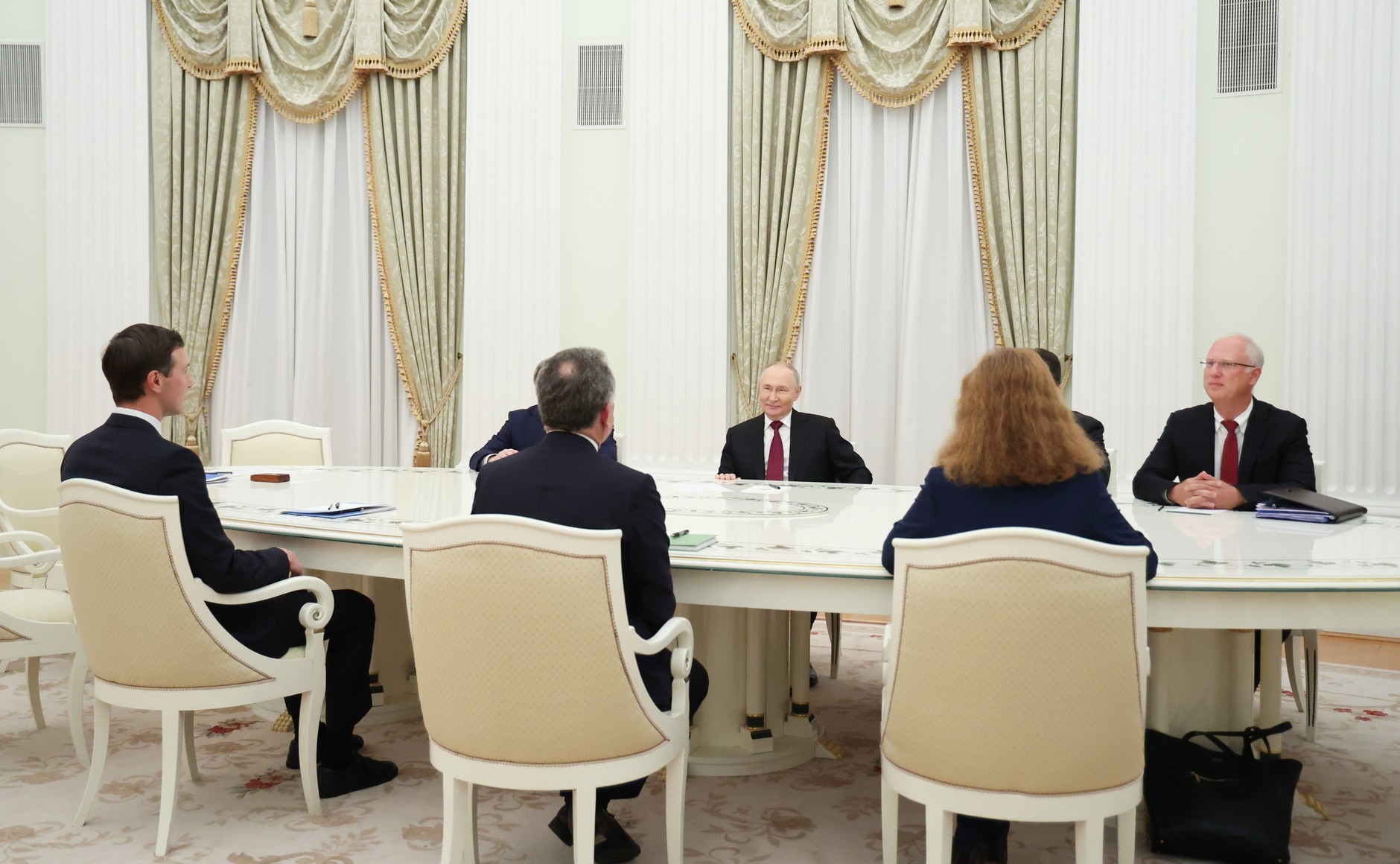
The Orthodox Easter truce, unilaterally decreed by Russian President Vladimir Putin on Thursday, April 10, 2026, did not withstand the realities on the ground. On Sunday, April 12, the day Orthodox Easter was celebrated, Ukraine and Russia mutually accused each other of violating the 32-hour ceasefire, which had entered into force at 4 p.m. Moscow time on Saturday. According to Reuters, reciprocal accusations began in the early hours of the truce, with each side documenting shelling and strikes attributed to the adversary.
Putin had ordered a halt to hostilities
The ceasefire, announced by the Kremlin on Thursday, stipulated a complete cessation of Russian military operations from Saturday 4 p.m. until Sunday evening. Ukrainian President Volodymyr Zelensky had pledged to observe the truce in a "mirroring" fashion, while warning that a "swift military response" would be triggered in case of Russian violations. According to CBS News, the Ukrainian army recorded "multiple violations" of the ceasefire in the Donetsk and Kherson regions, including artillery fire and drone strikes. For its part, the Russian Ministry of Defense accused Ukraine of "provocations" in the Kursk region.
The faithful between prayers and explosions
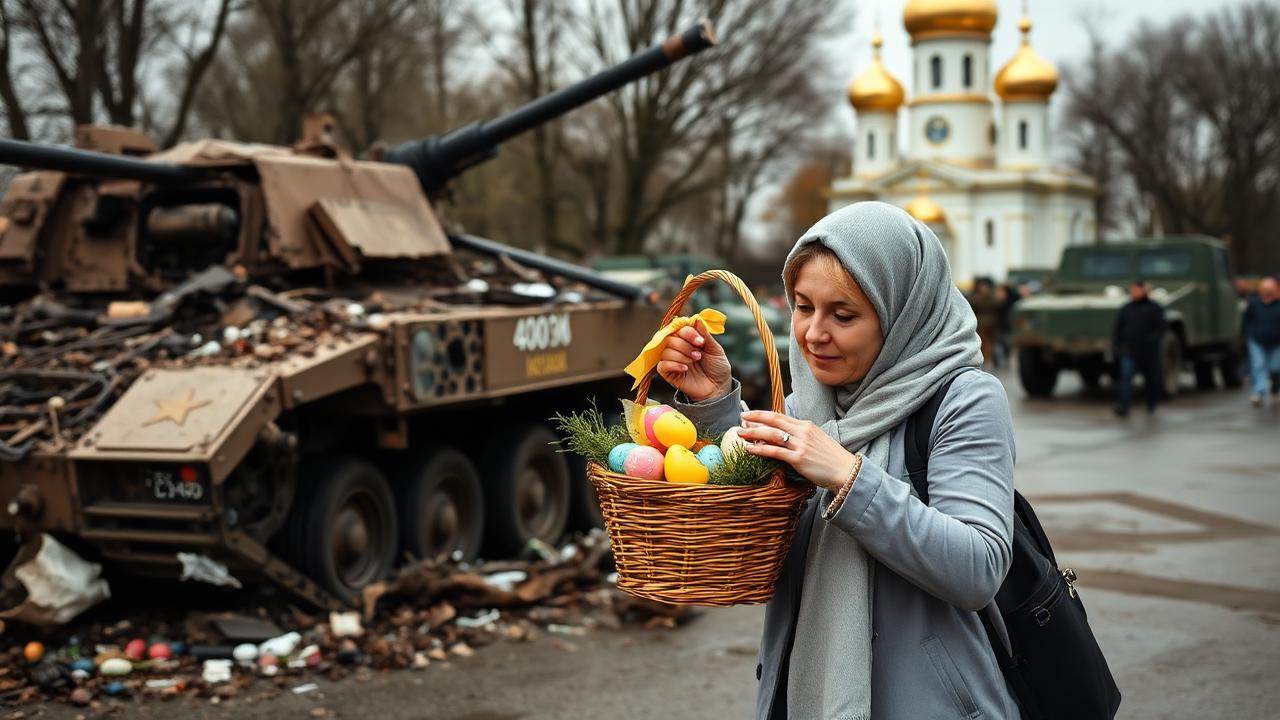
Despite the fighting, millions of Ukrainians and Russians celebrated Orthodox Easter in their churches. In Kyiv, as reported by Reuters, women carried Easter baskets in front of the wreckage of Russian tanks displayed on Mykhailivska Square—an image that has become a poignant symbol of this war, which has been ongoing for over four years. Pope Leo XIV delivered an Easter message from the Vatican, denouncing the "folly of war" and calling on "those who hold the power to start wars to choose peace," in what was described as his strongest rebuke since the beginning of his pontificate.
1,509 days of war
This Sunday, April 12, 2026, marks the 1,509th day of the war in Ukraine, according to GlobalSecurity's count. The Easter truce, the second ceasefire attempt on the Ukrainian front in 2026, joins the long list of aborted pauses in this conflict. Analysts, however, see it as a signal: Putin's willingness to propose truces, even symbolic ones, could indicate an opening—or a communication strategy aimed at presenting Russia as the reasonable party. The next diplomatic window remains uncertain, with international attention largely consumed by the Iranian crisis.