
The stock market euphoria is losing momentum. Just one month after achieving the largest initial public offering of all time, SpaceX stock has fallen below its initial offering price. The shares, traded under the symbol SPCX on Nasdaq, closed Thursday at $131.11, down more than 3% for the session — its fourth consecutive losing close — and below the symbolic $135 threshold set during its market debut on June 12.
The Contrast with Initial Enthusiasm
The contrast with the initial enthusiasm is striking. The stock had surged by nearly 50% during its first three trading sessions, momentarily propelling Elon Musk's company's valuation beyond that of Amazon and Microsoft combined, and making its founder the very first "trillionaire" in history. The stock had peaked at over $225 in mid-June, before beginning a slow decline that ultimately erased all of the post-IPO premium. In total, the correction now exceeds 40% from that peak.
A Net Loss That Dampens Expectations
Several factors combine to explain this turnaround. SpaceX recorded a net loss of $4.9 billion for the 2025 fiscal year, a figure that dampened many investors' expectations regarding the profitability trajectory of the group, specialized in both space launchers and, more recently, artificial intelligence. Analysts also point to the upcoming expiration of lock-up periods imposed on historical shareholders and early investors, which could increase selling pressure in the coming weeks.
Added to this are broader headwinds in the markets, including uncertainties about the trajectory of the US Federal Reserve's interest rates and growing doubts about the sustainability of the stock market rally linked to artificial intelligence, particularly among semiconductor manufacturers.
"Based on Nothing, on Speculation"
For Matthew Maley, Chief Market Strategist at Miller Tabak, quoted by the economic press, this correction confirms a diagnosis feared by part of the market: the stock was rising "based on nothing, on speculation," rather than on solid fundamentals. Meanwhile, Daniela Hathorn, an analyst at Capital.com, emphasizes that the selling movement reflects both profit-taking, a re-evaluation of the company's valuation deemed excessive, and the unwinding of very bullish bets accumulated around one of the most anticipated IPOs of the decade.
Starship, the Next Acid Test
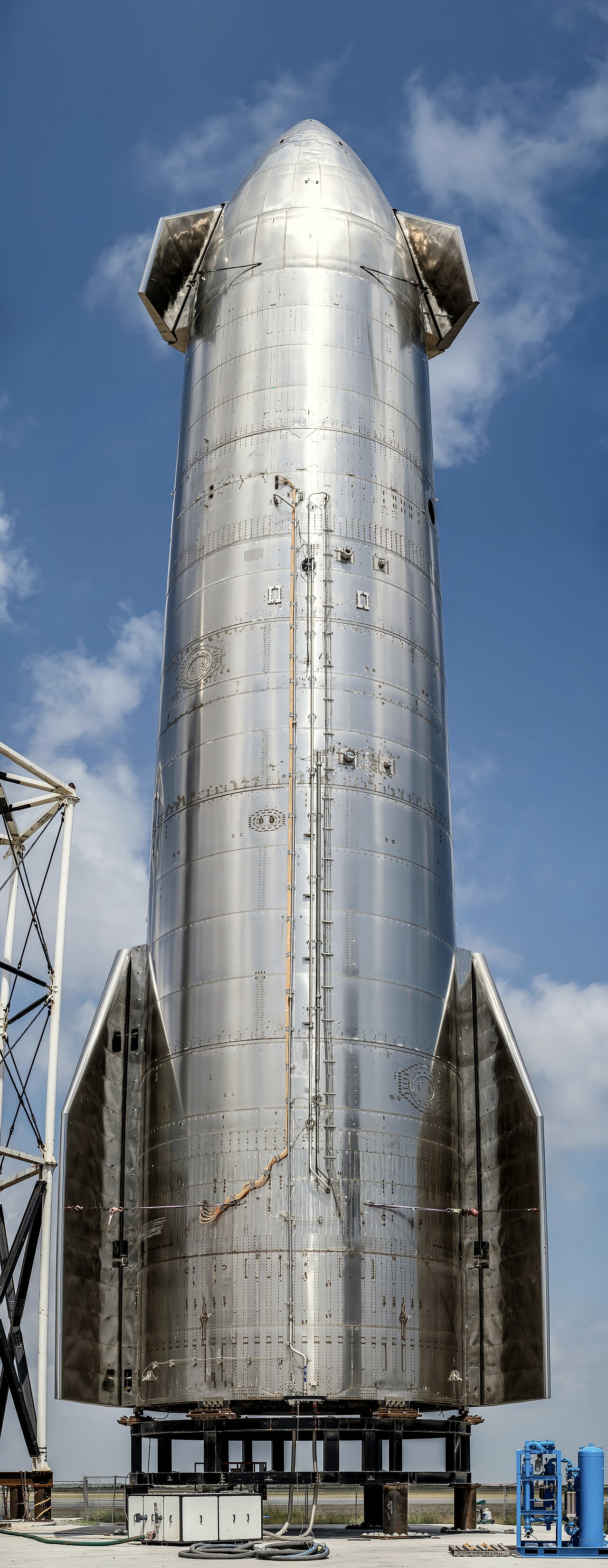
This stock market chill comes at a particularly sensitive time for SpaceX, on the eve of the thirteenth test flight of its Starship rocket, scheduled for Thursday. The company is banking on this giant, reusable launcher, designed to carry over 100 tons into orbit, to ultimately justify its record valuation — a technological and financial gamble that markets seem, for now, to view with increasing skepticism.
The Editorial Board's Opinion
This stock market correction is far from anecdotal: it questions the market's ability to distinguish, in the space sector as in artificial intelligence, speculative enthusiasm from real economic fundamentals. A company posting nearly $5 billion in annual losses cannot indefinitely justify a valuation of several trillion dollars solely on the promise of future Martian flights. The outcome of Starship's thirteenth flight will be watched very closely.