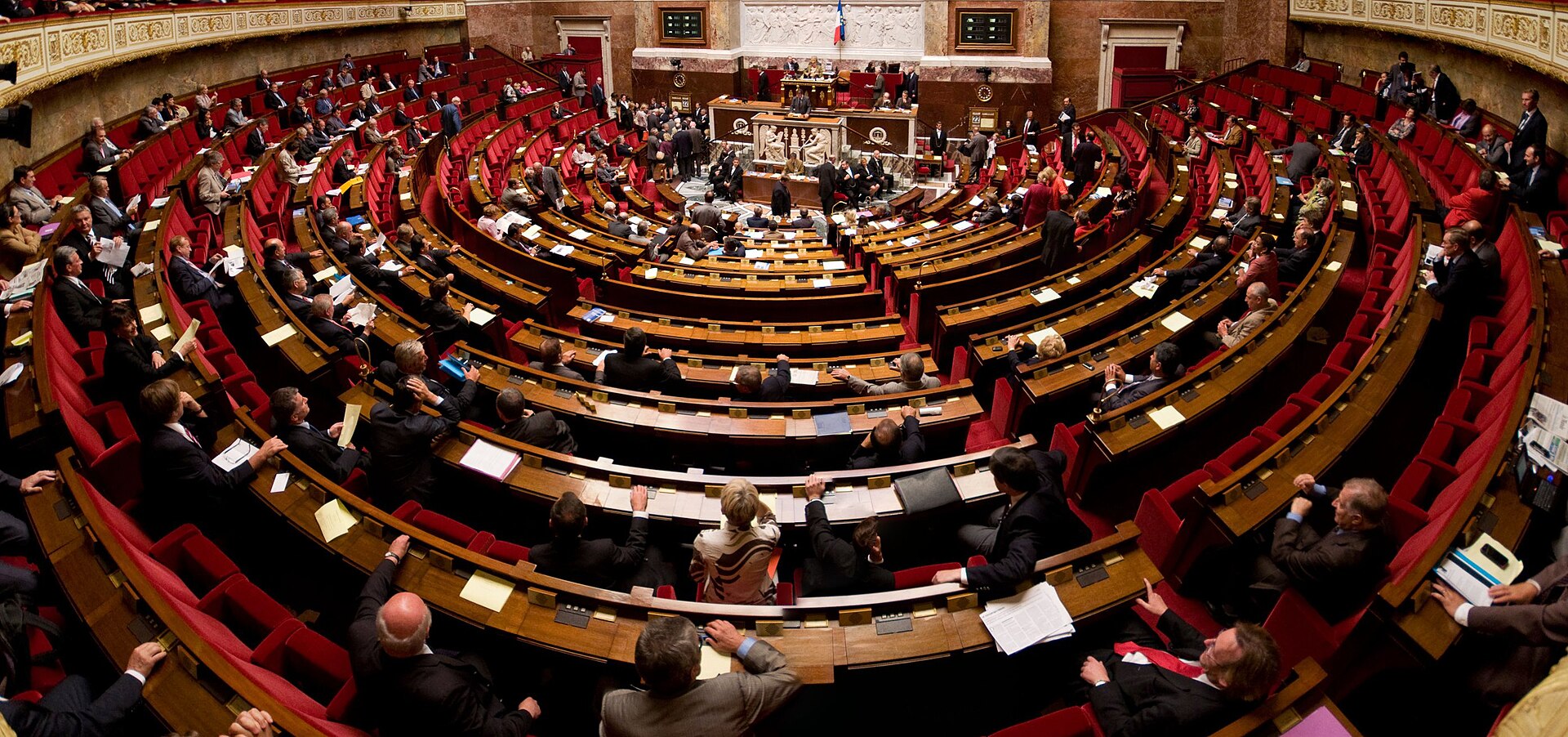

Washington, Friday, June 5, 2026, 5 AM. After nineteen hours of debates, amendments, and corridor negotiations, the US Senate adopted a colossal $70 billion bill to fund federal immigration enforcement agencies—ICE (Immigration and Customs Enforcement) and Border Patrol—until the end of Donald Trump's term in 2029. The final vote was 52 to 47.
Lisa Murkowski, Alone in Republican Dissent
Republican Senator Lisa Murkowski from Alaska was the only GOP lawmaker to vote against the bill, joining the unanimous Democratic opposition. She justified her refusal not by fundamental disagreement on immigration agency funding, but by opposing the method: the use of budget reconciliation—a mechanism that bypasses the traditional bipartisan filter of annual appropriations—constitutes, in her view, 'a dangerous precedent that will discourage resolving partisan disputes in the future.'
Bill Details: ICE, Border Patrol, and a Controversial Fund
The law allocates $38.6 billion to ICE, $22.6 billion to Border Patrol, and $5 billion to the Department of Homeland Security, available immediately upon enactment. An additional $108.5 million is dedicated to combating child exploitation—a bipartisan concession. However, the major controversy of the bill revolved around a $1.776 billion fund, dubbed the 'anti-weaponization fund,' intended to compensate individuals who claim to have been victims of 'politically motivated prosecutions' under the Biden administration. Democrats, joined by several moderate Republicans, saw this as a slush fund potentially for January 6th rioters or other Trump political allies. Their amendments to regulate or eliminate it all failed.
A Vote-a-Rama Marked by Republican Divisions
The special parliamentary procedure known as 'vote-a-rama,' unique to budget reconciliation, forced senators to vote on a barrage of amendments for nineteen consecutive hours. Several Republicans facing re-election, such as Susan Collins (Maine), Dan Sullivan (Alaska), and Jon Husted (Ohio), hesitated for a long time before joining the majority at the final vote. Thom Tillis (North Carolina) also abandoned his last-minute amendments.
Thune and Schumer: Two Opposing Narratives
Majority Leader John Thune called the vote 'a victory for the security of Americans,' while Minority Leader Chuck Schumer denounced 'a blank check to Trump to persecute his opponents.' The bill must now be adopted by the House of Representatives, which has adjourned for the weekend and will not resume work until early next week.
Editorial Opinion
Seventy billion dollars and nineteen hours of sleepless night for a vote that polls did not predict would be so close: the internal fracture of the Republican Party on immigration issues is as real as the Democrats' inability to block the machine. This fortified funding until 2029 transforms ICE into an almost off-budget agency, shielded from future shutdowns—a structural shift in the US federal government whose significance will be remembered more than the procedure.
Key Takeaways
- US Senate vote 52-47, early June 5, 2026, after 19 hours of session.
- $70 Billion: $38.6B for ICE, $22.6B for Border Patrol, $5B for DHS.
- Funding guaranteed until the end of 2029, protected from shutdowns through budget reconciliation.
- The $1.776B 'anti-weaponization' fund remains in the bill without safeguards.
- Lisa Murkowski, the only Republican against; all Democrats opposed.
- The House of Representatives still needs to vote next week.