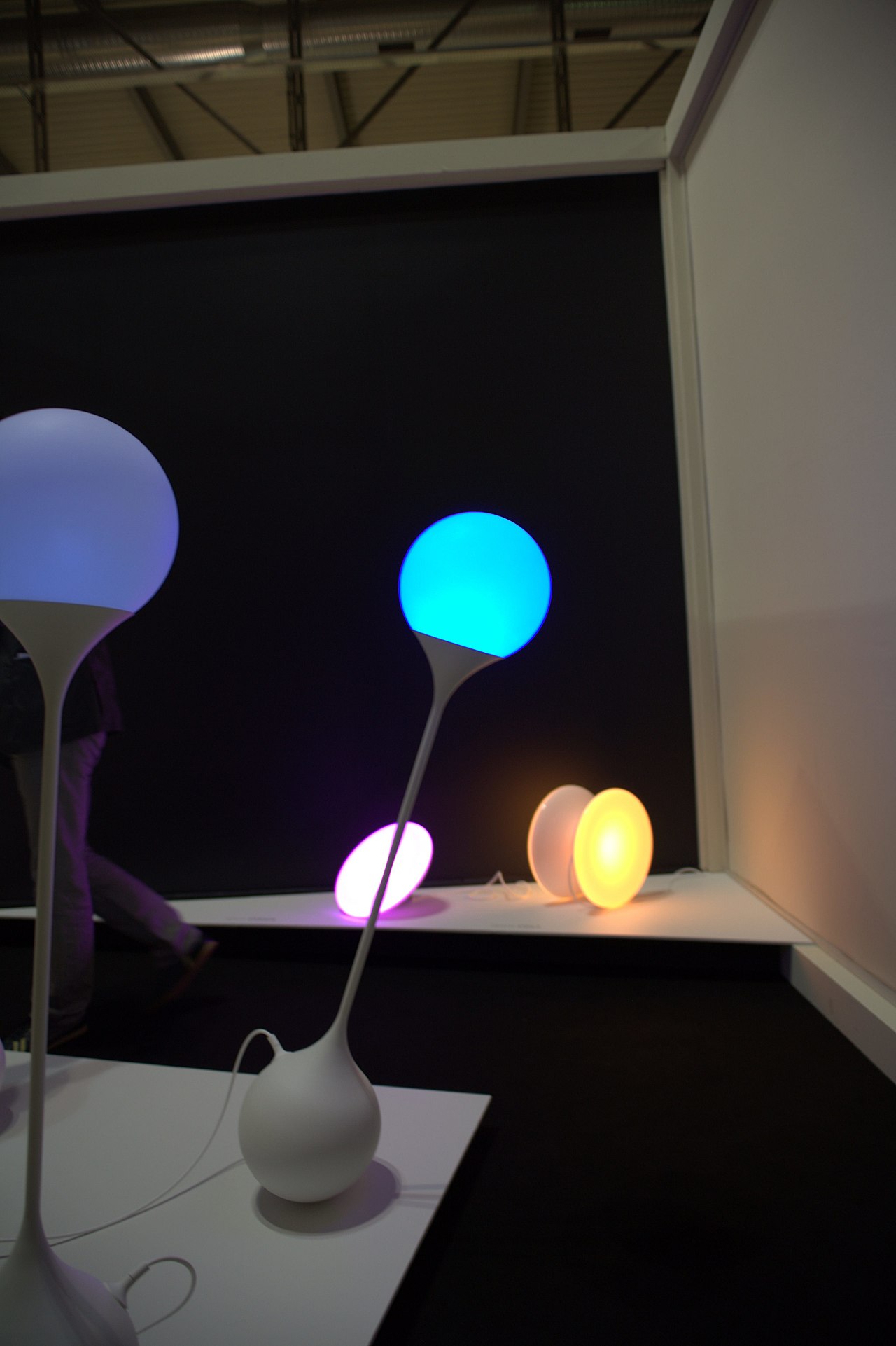
Six days, nearly 2,000 exhibitors, over 360,000 expected visitors, and the entire Brera district transformed into an open-air exhibition: Salone del Mobile.Milano 2026 closed its doors this Sunday, April 26, 2026, at Fiera Milano Rho. The 64th edition of the world's leading interior design event, which opened on Tuesday, April 21, confirmed Milan's status as the undisputed capital of the sector—ahead of Cologne, Stockholm, and Paris. Chaired by Maria Porro, the fair also drew, more clearly than in previous years, an aesthetic dividing line: between the 'all connected' ethos continuing from the 2010s and a 'slow design' approach that champions slowness, materiality, and longevity.
The Return of Living Materials
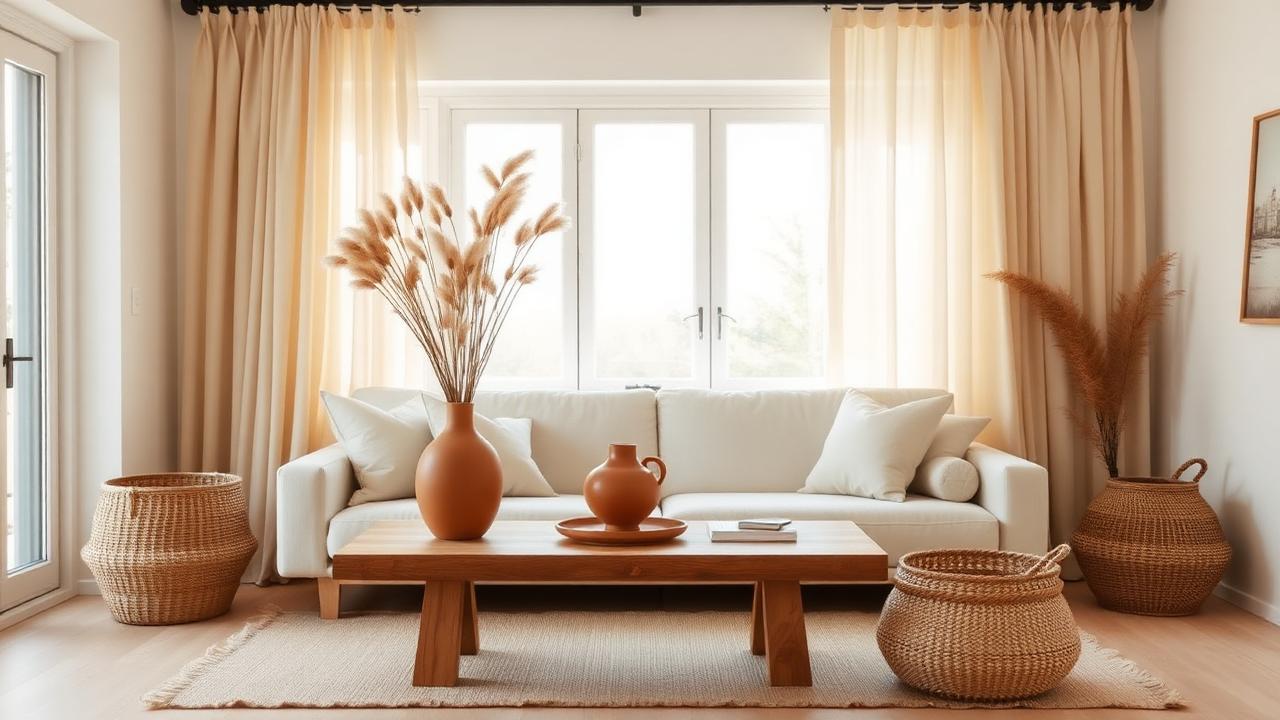
The first strong trend of the 2026 edition concerns materials. Solid wood (oak, ash, walnut) is making a powerful comeback, as is raw stone—travertine, veined marble, basalt—used for tabletops, consoles, and even lighting fixtures. Major Italian publishers like Cassina, B&B Italia, Poliform, Molteni&C, and Edra all presented pieces that embrace their mass, weight, and imperfections. In textiles, virgin wool bouclé, washed linens, and vat-dyed hemp set the tone. This return to materiality is accompanied by a clear discourse on sustainability: several brands now display the detailed carbon footprint of each piece, following the European CSRD directive that came into effect in 2025.
Slow Design as a Manifesto
Second strong signal: 'slow design' is establishing itself as the dominant lens. The concept, popularized in the early 2000s by Carolyn Strauss and Alastair Fuad-Luke, refers to an approach to design that prioritizes long-term use, repairability, and emotional attachment to the object. In Milan, this translated into limited capsule collections, collaborations between designers and artisans (Japan, the guest of honor, powerfully demonstrated this with its urushi lacquer workshops), and the systematic highlighting of repair instructions. Scandinavian brands like HAY, Muuto, and Ferm Living have made 'buy less, buy better' their unofficial slogan. This marks a clear break from the production pace of fast fashion, which had also infiltrated the furniture industry in the 2010s.
AI in Design: Between Promise and Controversy
In 2026, it's difficult to organize a fair without addressing the question of artificial intelligence. Several studios—notably Foster + Partners, Gensler, and Patrick Jouin—presented generative pieces, designed using algorithms to optimize materials, ergonomics, and manufacturing. However, the enthusiasm was tempered by unexpected criticism, particularly from Patricia Urquiola and Konstantin Grcic, who published a joint op-ed in the Italian newspaper Repubblica during the fair: 'Design is not just an equation; it's an intention.' The warning resonated. Several debates held at the Triennale di Milano extended the discussion: where does optimization end, and where does expression begin? The topic will undoubtedly be at the heart of the 2027 and 2028 editions.
Fuorisalone, the City's Laboratory
As every year, the excitement was not confined to the main pavilion. The Fuorisalone, comprising all the installations scattered across the city (Brera, Tortona, 5Vie, Isola, Porta Venezia, Lambrate), transformed Milan into a giant exhibition route. Among the most noteworthy installations were the 'Inhabited Forest' imagined by BIG in the courtyard of the Pinacoteca di Brera, the Hermès / studio Sambonet collaboration on metalwork, and IKEA's immersive installation on the theme of 'small European living.' The Milanese Design Week, as a whole, now generates over 2 billion euros in economic impact for the city, according to a study by Politecnico di Milano published during the fair.
Editorial Opinion
The 2026 edition of Salone del Mobile.Milano will be remembered as a turning point. For two decades, design had followed the accelerated pace of globalized consumption—collections refreshed every season, composite materials, Asian manufacturing. The climate crisis, prolonged inflation, and general aesthetic fatigue have put an end to that. What Milan 2026 offers, through its curatorial choices and the voices of its leading figures, is a return to values that had never truly disappeared: materiality, use, longevity. It is also a subtly framed response to the massive influx of AI into studios: no, the algorithm will not replace the artisan's craft, and no, optimization does not dispense with intention. For interior enthusiasts, the promise is appealing: fewer pieces, but better chosen, designed to stand the test of time. For the industry, the challenge is immense: it will be necessary to relearn how to produce less, better, and at a higher price—without compromising accessibility.
Key Takeaways
- 64th edition of Salone del Mobile.Milano from April 21 to 26, 2026, Fiera Milano Rho.
- Nearly 2,000 exhibitors, over 360,000 expected visitors, chaired by Maria Porro.
- Trends: natural materials (solid wood, raw stone), slow design, Japonisme.
- Major debate: the role of AI in creation, joint op-ed by Urquiola–Grcic.
- 2 billion euros in economic impact for Milan (Politecnico study).