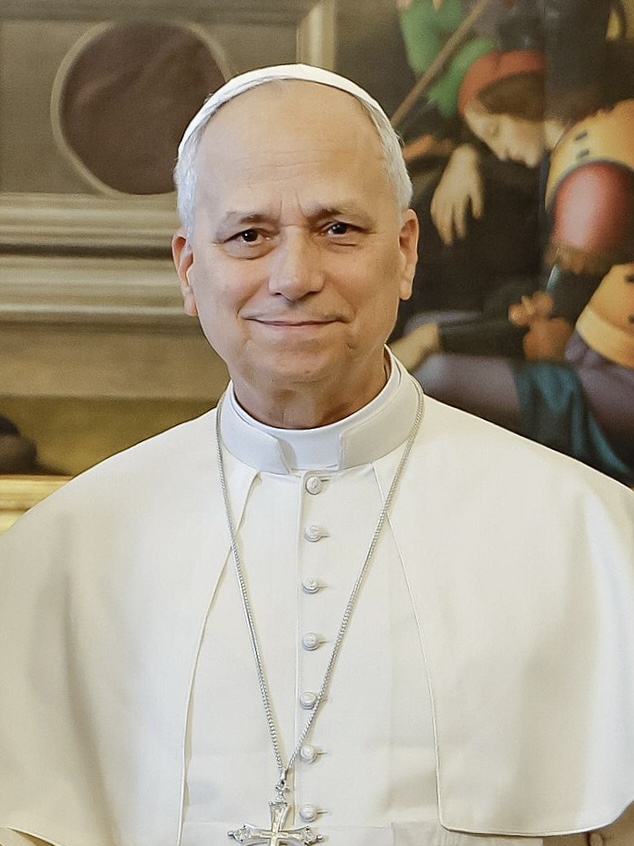
For his second day in Equatorial Guinea, Pope Leo XIV faces a schedule this Wednesday, April 22, 2026, whose intensity contrasts with the usual prudence of papal trips. Three domestic flights, two masses, a visit to Black Beach central prison, a meeting with civil society, and a private audience with President Teodoro Obiang Nguema Mbasogo, in power since 1979: the pace is described as 'frenetic' by Vatican News and AFP. This day is part of Leo XIV's third apostolic journey, which takes him successively to Algeria, Cameroon, Angola, and Equatorial Guinea, from April 13 to 23, 2026.
A difficult political message to deliver
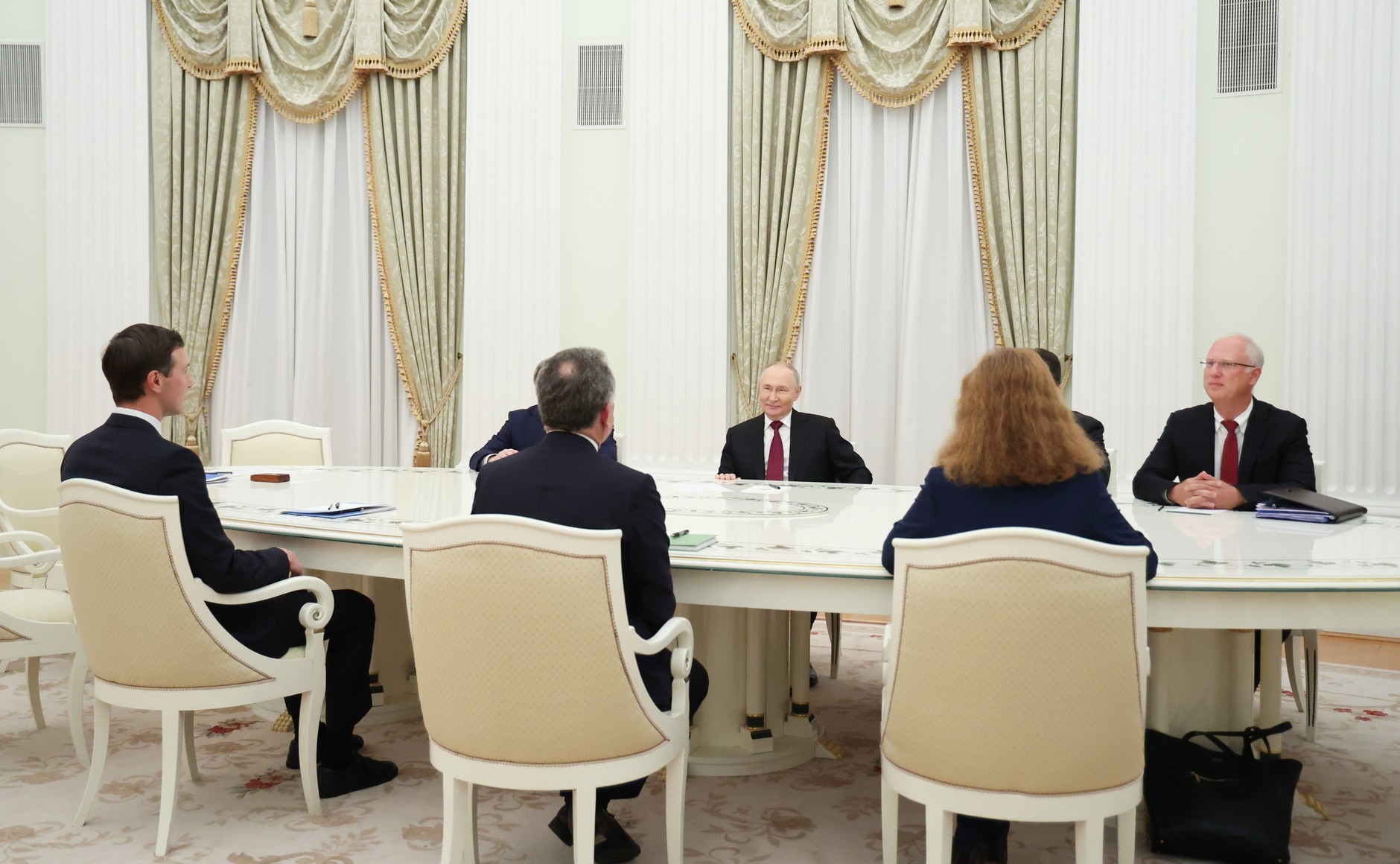
The choice of Equatorial Guinea is not trivial and constitutes the most delicate point of the entire trip. The country, ruled with an iron fist by Teodoro Obiang for forty-seven years, regularly ranks among the ten most authoritarian regimes in the world according to Reporters Without Borders and Freedom House. Human rights organizations denounce systematically rigged elections (the president officially receives 99% of the vote), opponents imprisoned without trial, and enforced disappearances. The visit to Black Beach prison, particularly symbolic, will be closely watched: will the Pope publicly demand the release of political prisoners, or will he content himself with diplomatic words about 'human dignity'?
The Algerian precedent
The first days of the trip have already set the tone. In Algeria, where he began his tour on April 13 in the footsteps of Saint Augustine, Pope Leo XIV delivered a notable homily at the Basilica of Saint Augustine in Annaba, advocating for 'interreligious dialogue as a bulwark against all forms of extremism.' According to Vatican News, the pontiff also stated to journalists on the Rome-Algiers flight: 'I am not a politician, I speak of the Gospel.' This statement was widely commented on in the Italian press and marks a perceptible shift in tone from the previous pontificate, which was more directly engaged on geopolitical issues.
Cameroon and Angola: Controlled stops
The Cameroonian (April 16-18) and Angolan (April 19-20) segments proceeded without major incident. In Yaoundé, the mass at Japoma Stadium drew over 80,000 faithful. In Bamenda, in the English-speaking region shaken by a separatist crisis since 2017, Leo XIV called for 'inclusive national dialogue' without directly naming the Ambazonian armed groups. In Kilamba, Angola, the Sunday mass gathered 1.2 million people according to local authorities, likely making this event the largest religious gathering of the pontificate to date. African media coverage was massive: RFI, BBC Africa, Jeune Afrique, and all Catholic channels.
Vatican diplomacy in full recomposition
This third journey is also the first real test for the Holy See's new diplomatic doctrine, recomposed since Leo XIV's election in May 2025. Secretary of State Pietro Parolin, reconfirmed in his role, is banking on a 'presence' approach: multiplying trips to peripheral Catholic or Muslim countries, rather than favoring major capitals. According to the Italian daily Avvenire, Leo XIV already plans six more trips by the end of 2027: Mexico (July 2026), Indonesia (October 2026), Vietnam (March 2027), Mongolia (May 2027), Argentina (August 2027), and Lebanon (November 2027, if the security situation permits). No visits to Russia or China are on the agenda.
Return to Rome Thursday evening
Pope Leo XIV is scheduled to conclude his trip on Thursday, April 23, in the mid-afternoon with a farewell mass at Malabo Cathedral, followed by a protocol lunch with President Obiang. The return flight to Rome is scheduled for early evening, and the traditional press conference aboard the papal plane will be closely watched: it is generally on this occasion that the pontiff offers his most candid analyses of international issues. Vatican observers are particularly awaiting statements on the Iranian truce, the situation in Gaza, and the migration tragedy in the central Mediterranean, where over 980 people have already died since the beginning of the year according to the IOM.
Editorial Opinion
The choice of Equatorial Guinea is courageous in its intent but perilous in its execution. By visiting Teodoro Obiang, Pope Leo XIV risks appearing as a moral endorsement of one of the most brutal regimes in Central Africa. Everything will depend on the pontiff's ability to publicly state, in front of the cameras, what Vatican diplomacy cannot say in official communiqués. The visit to Black Beach prison is, in this regard, the moment of truth for the entire trip. If the Pope settles for conventional words, the diplomatic operation will backfire. If he dares to speak the right words, he will restore the moral authority of the Holy See in a region where it has been eroding for ten years. The stakes go far beyond Equatorial Guinea.
Key Takeaways
- Frenetic schedule for the second day in Equatorial Guinea.
- Highly symbolic visit to the Black Beach political prison.
- Third apostolic journey of the pontificate (Algeria, Cameroon, Angola, Equatorial Guinea).
- Six more trips planned by the end of 2027: Mexico, Indonesia, Vietnam, Mongolia, Argentina, Lebanon.
- Press conference on the return flight Thursday evening: a key anticipated moment.
##