The Strait of Hormuz crisis entered a new, even more worrying phase on Sunday, April 19, 2026. The Iranian navy stopped an Indian-flagged tanker attempting to cross the passage and ordered it to "turn back immediately," according to images published by Times of India and reported by major agencies. At the same time, US destroyers from the Fifth Fleet have tightened the blockade of Iranian ports, shots were recorded against several merchant ships, and a high-ranking US official cited by BFMTV warned that "if there is no breakthrough, war could resume in the coming days."
Indian Tanker Ordered to Turn Back
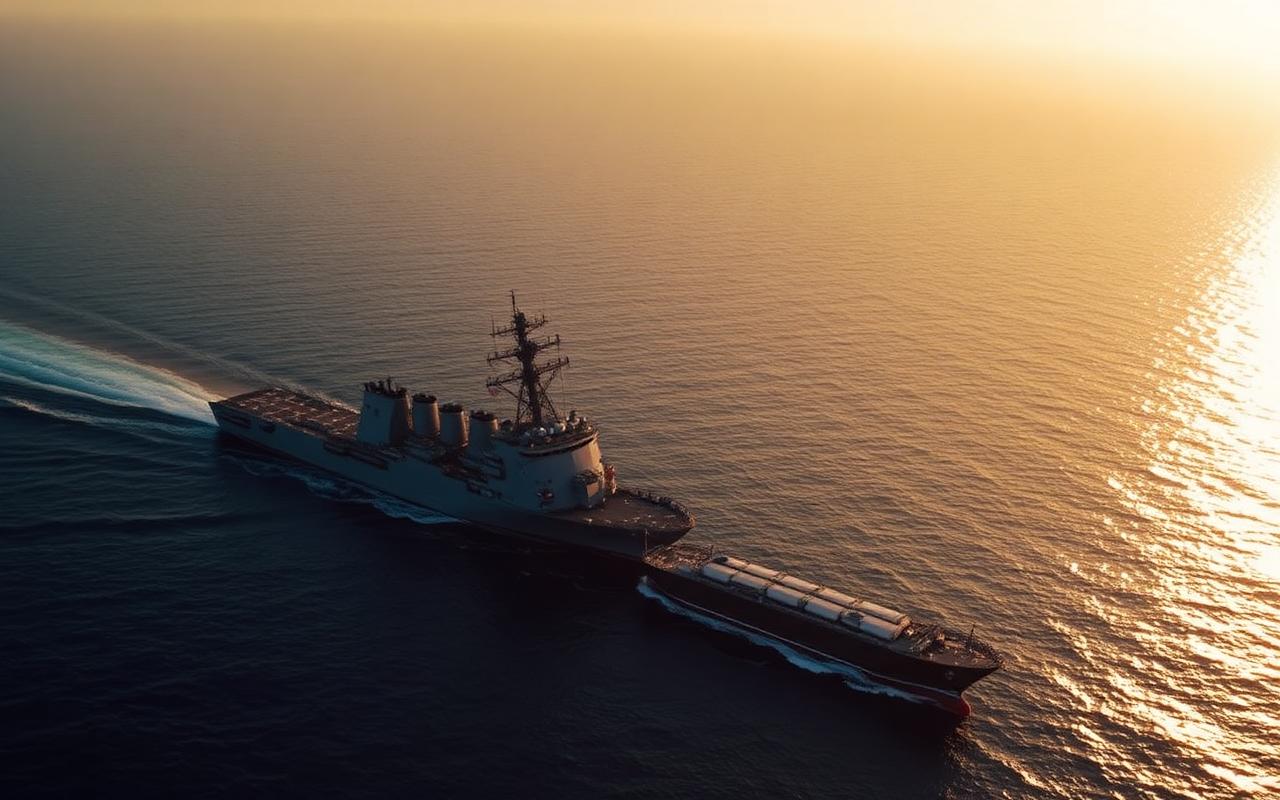
The most emblematic incident of the weekend concerns the Indian tanker intercepted by a Revolutionary Guards patrol boat on the night of Saturday to Sunday. Times of India released the audio recording of the summons: "Turn back immediately, you are violating Iranian sovereign territory." The vessel, which was on a rotation between Bandar Abbas and Mumbai, complied without attempting to force the passage. New Delhi confirmed the incident on Sunday morning and summoned the Iranian ambassador to demand "immediate clarifications." India, the world's third-largest oil importer, depends on crude transiting through Hormuz for nearly 60% of its supplies.
US Blockade Reinforced in the Arabian Sea
Images published by CENTCOM, relayed by Gulf News, show sailors from the USS Rushmore (LSD-47) conducting blockade operations in the Arabian Sea. According to ThisDay, US destroyers have been equipped with expanded search and seizure capabilities to prevent clandestine Iranian crude exports. Tehran reacted by warning that "the strait will remain closed as long as Washington does not lift the naval pressure," a statement reported by Gulf News on Sunday. This logic of reciprocal retaliation, where each American measure triggers an immediate Iranian response, poses a risk of major incident in the world's most strategic economic zone.
Trump: War Could Resume "in the Coming Days"
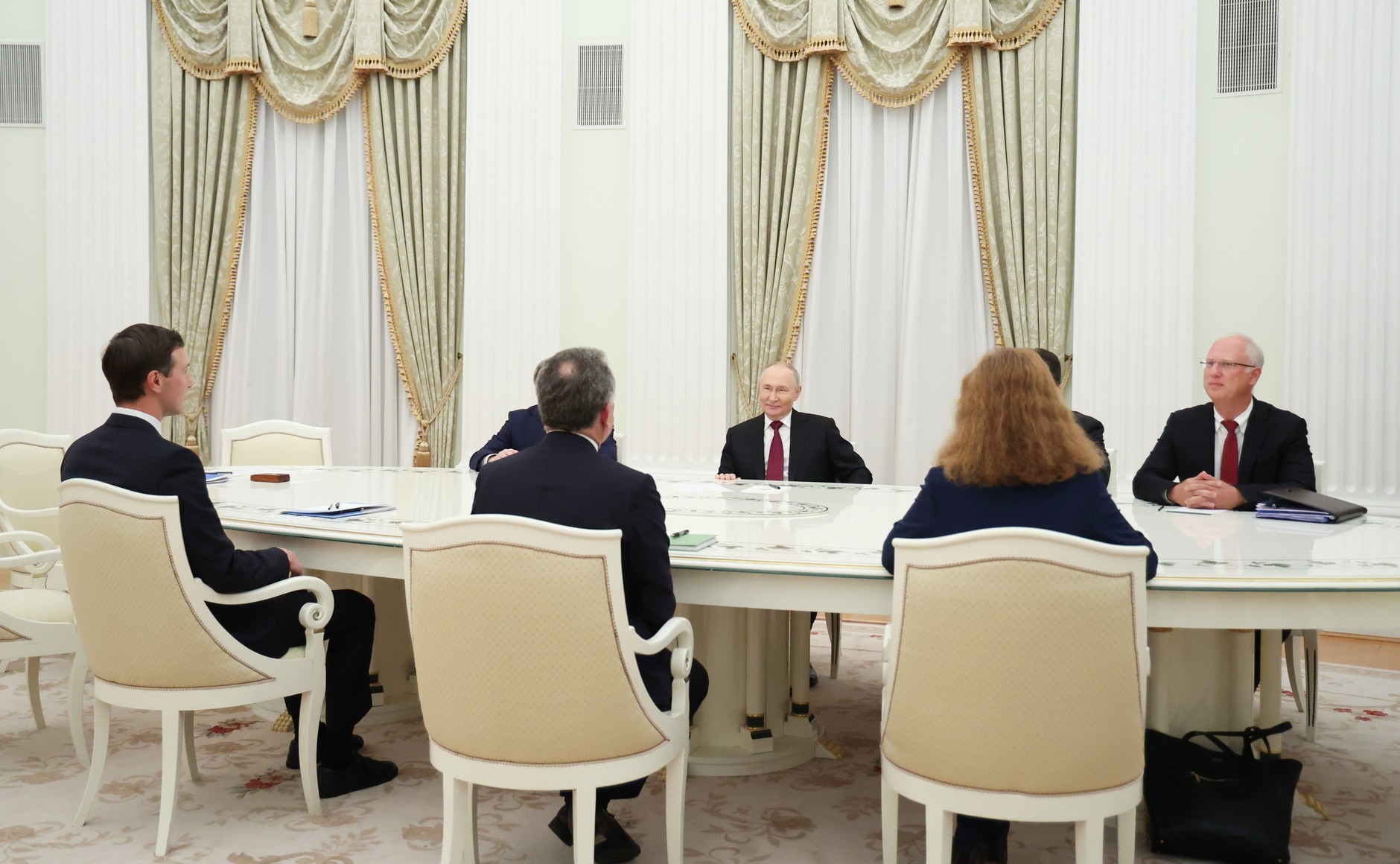
Diplomatic tension reached a new peak on Sunday morning with the statement by a high-ranking US official to BFMTV, warning that "in the absence of a breakthrough," last March's military campaign could resume. The Iranian Parliament's president, according to La DH/Les Sports+, indicated that negotiations "had progressed" but judged that a final agreement remained "distant." Donald Trump, who is due to receive the Qatari Minister of Foreign Affairs this week, is now playing on two simultaneous registers: public military threat and discreet diplomatic pressure. A strategy reminiscent of that deployed in March, just before the strikes.
Oil Markets: Return of Risk Premium
After the spectacular drop in the barrel to below $75 on Friday, hailed by The Independent as a "return to calm," initial indications on Sunday evening suggest a new surge at the Asian opening on Monday. Bloomberg, which had already reported the turnaround of Greek and Indian tankers before entering the strait on Saturday, anticipated in its weekend analysis a barrel between $100 and $110 as early as Monday in case of confirmed closure. European economies, already weakened by the cumulative costs of the Middle East war—estimated at 4 billion euros for France according to the Ministry of Economy cited by BFMTV—are among the most exposed to the looming shock.
Editorial Opinion
The sequence of the last forty-eight hours paints a scenario that markets and chanceries have feared for three weeks: Tehran is using the intermittent closure of the strait as a calibrated economic weapon, and Washington is responding with a naval blockade that amounts, under international law, to an act of war. Between the two, third-party states—India, Greece, South Korea, but also France—are seeing their energy security tested without having a say in the decision. The diplomatic window remains open, but it closes with each maritime incident. A Qatari breakthrough this week has become the condition for de-escalation; without it, the end of April looks explosive.
Key Takeaways
- An Indian tanker was ordered to turn back on Saturday, April 18, by the Iranian navy in the Strait of Hormuz.
- The USS Rushmore and the Fifth Fleet are reinforcing the US naval blockade against Iranian ports.
- Tehran: the strait will remain closed as long as Washington maintains naval pressure.
- A high-ranking US official warns: "war could resume in the coming days."
- Immediate risk for markets: barrel expected between $100 and $110 at the Asian opening on Monday.