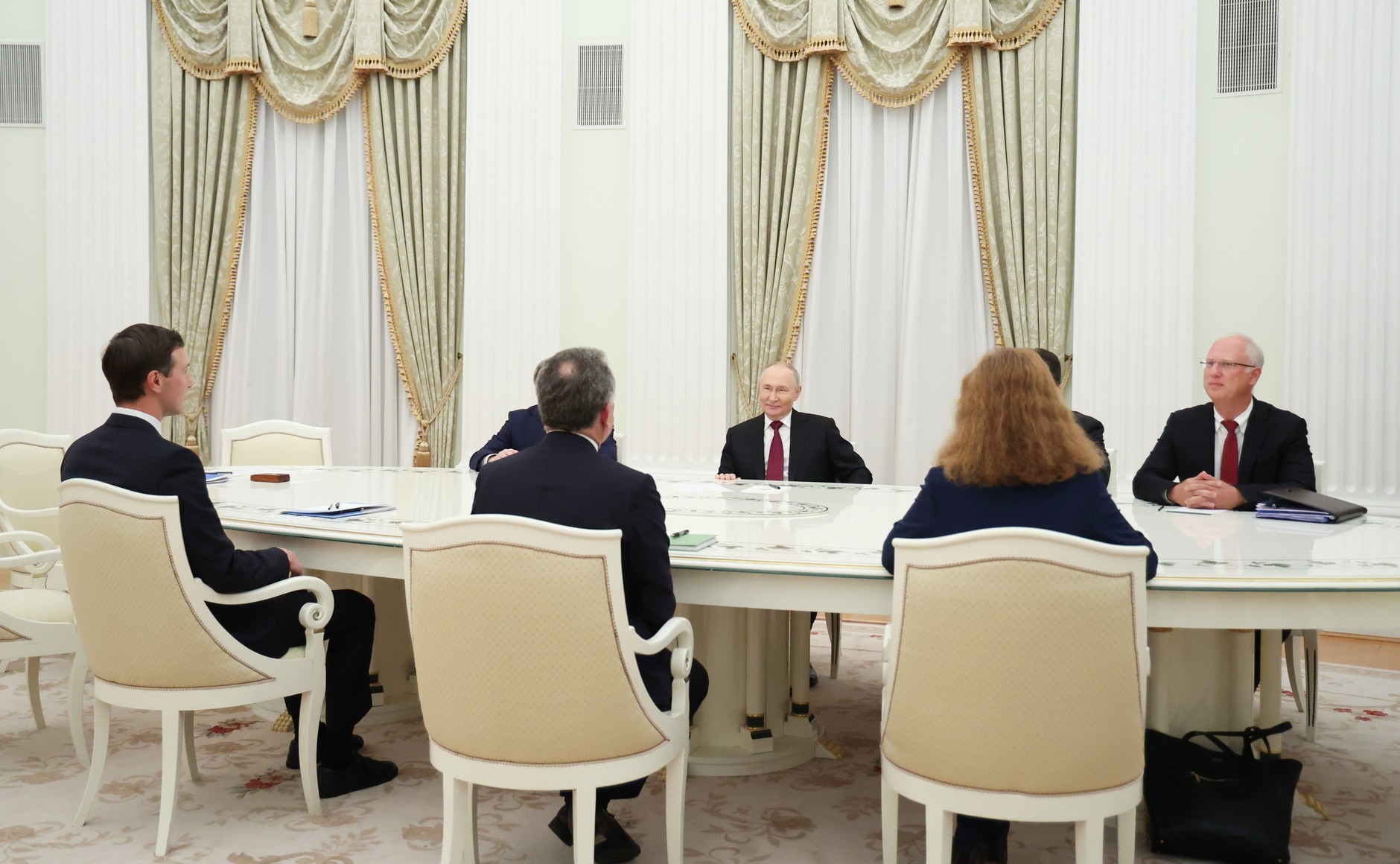
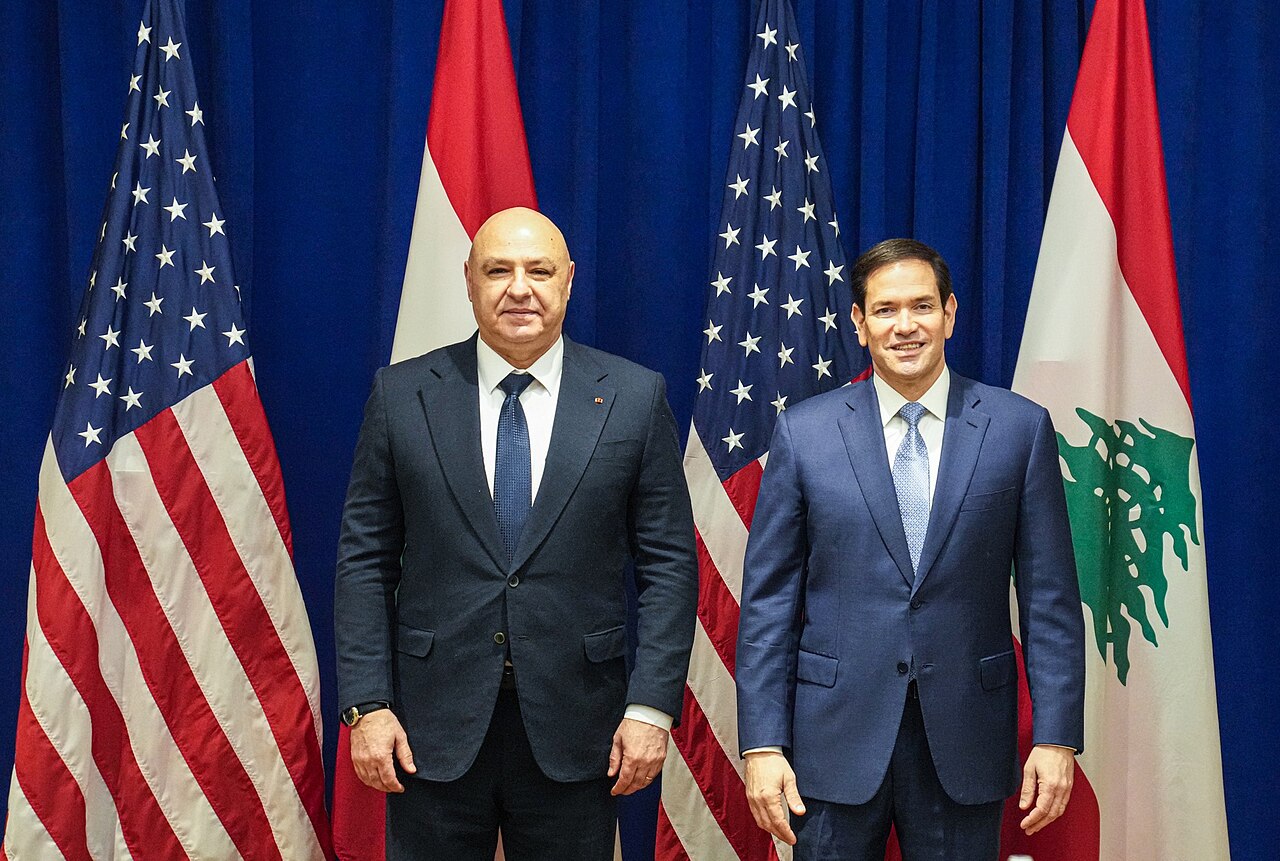
It is with carefully orchestrated discretion that the second round of direct Israeli-Lebanese talks opens on Thursday, April 23, 2026, at 4 PM Washington time. The meeting, held on the seventh floor of the State Department under the auspices of Secretary of State Marco Rubio, brings together American mediator Morgan Ortagus, Lebanon's ambassador to Washington Nawaf Salam, Israel's ambassador Yechiel Leiter, and the United States ambassador to Lebanon Michel Issa. This is the first time since the 1949 armistice that Lebanese and Israeli diplomats have publicly sat at the same negotiating table to discuss lasting peace.
The Fragile Truce of April 17
The session comes nearly a week after the ten-day ceasefire agreement concluded on April 17, driven by Marco Rubio, which ended six months of deadly fighting between the Israeli army and Hezbollah in southern Lebanon. According to figures from the Lebanese Ministry of Health, Israeli strikes have caused 1,482 deaths in Lebanon since November 2025; on the Israeli side, 89 soldiers and 24 civilians have lost their lives, according to the IDF. The truce, signed in Beirut, includes the withdrawal of Israeli forces from five positions south of the Litani, the redeployment of the Lebanese army, and the suspension of all arms transfers to Hezbollah from Iran.
Beirut Pushes for Extension
The Lebanese delegation, mandated by President Joseph Aoun and Prime Minister Nawaf Salam (a namesake of the ambassador), arrives with a singular objective: to obtain an additional one-month extension of the ceasefire, until May 27. "We need time to finalize the deployment of the Lebanese army to the border," a Lebanese diplomatic source told Annahar. Beirut fears that a resumption of hostilities on April 27 could trigger a new wave of internal displacement – 320,000 Lebanese have already returned home since the truce, according to OCHA – and jeopardize reconstruction efforts estimated at $12 billion by the World Bank.
Israel Sets Strict Conditions
Israel, for its part, will only agree to any extension under strict conditions. Prime Minister Yair Lapid's office issued a statement Wednesday evening demanding: the effective disarmament of Hezbollah south of the Litani, verified by UNIFIL and the Lebanese army; a complete halt to the reconstruction of border tunnels; and the release of the remains of two Israeli soldiers still held by Hezbollah since October 2024. "Without these three elements, there will be no extension, nor agreement," stated Defense Minister Israel Katz on public radio Kan.
Lebanon Freed from Tehran?
The stakes go beyond technical discussions. According to the Beirut-based daily Ici Beyrouth, Lebanon's entire relationship with Tehran is being redrawn. For the first time since 1982, the Lebanese government is negotiating without having to consult the military command of Hezbollah, which has been significantly weakened by the loss of over 80% of its leadership since the elimination of Hassan Nasrallah in September 2024. Naïm Qassem, his successor, issued a statement Tuesday calling for "strategic patience" without publicly condemning the talks. Analysts in Lebanon interpret this silence as tacit approval.
The United States Pressed by Gulf Allies
Marco Rubio is being urged by his Gulf allies – Saudi Arabia, the United Arab Emirates, Bahrain – to transform this fragile truce into a lasting political agreement, which would create a precedent for the diplomatic resolution of the neighboring conflict with Iran. Saudi Crown Prince Mohammed bin Salman conveyed to Donald Trump, during a phone call Tuesday, that he was ready to financially contribute to Lebanon's reconstruction with up to $3 billion if a framework agreement is signed by the end of May.
Editorial Opinion
The Washington talks are not anecdotal; they perhaps represent the first serious diplomatic window between Lebanon and Israel in four decades. The military and political collapse of Hezbollah, coupled with economic pressure on Iran and the American desire for a diplomatic success before the midterms, creates an unprecedented configuration. However, history teaches caution: no Lebanese-Israeli agreement has survived the resumption of regional tensions since 1949. The real unknown variable remains Hezbollah itself: weakened but not dead, capable of a final surge of violence to sabotage an agreement that would solidify its political marginalization. Lebanon has a historic opportunity to become a sovereign state again. It also has everything to lose if it fails.
Key Takeaways
- Second round of direct Israel-Lebanon talks in Washington on April 23, under Rubio-Ortagus mediation.
- Beirut requests a one-month extension of the April 17 truce, until May 27.
- Israel conditions any extension on the effective disarmament of Hezbollah south of the Litani.
- First direct public negotiation between Lebanon and Israel since the 1949 armistice.
- Lebanese reconstruction estimated at $12 billion, potential Saudi contribution of $3 billion.