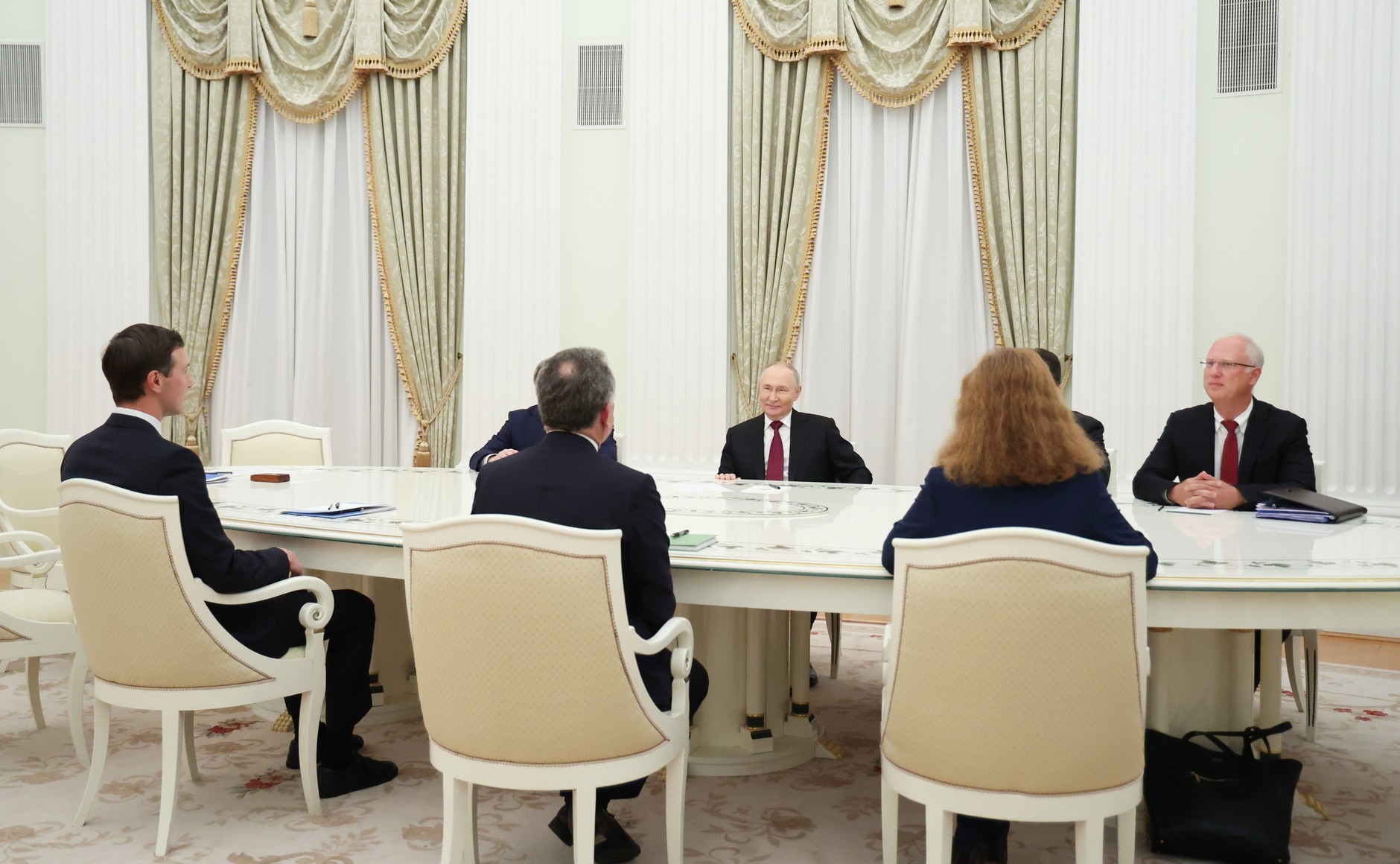
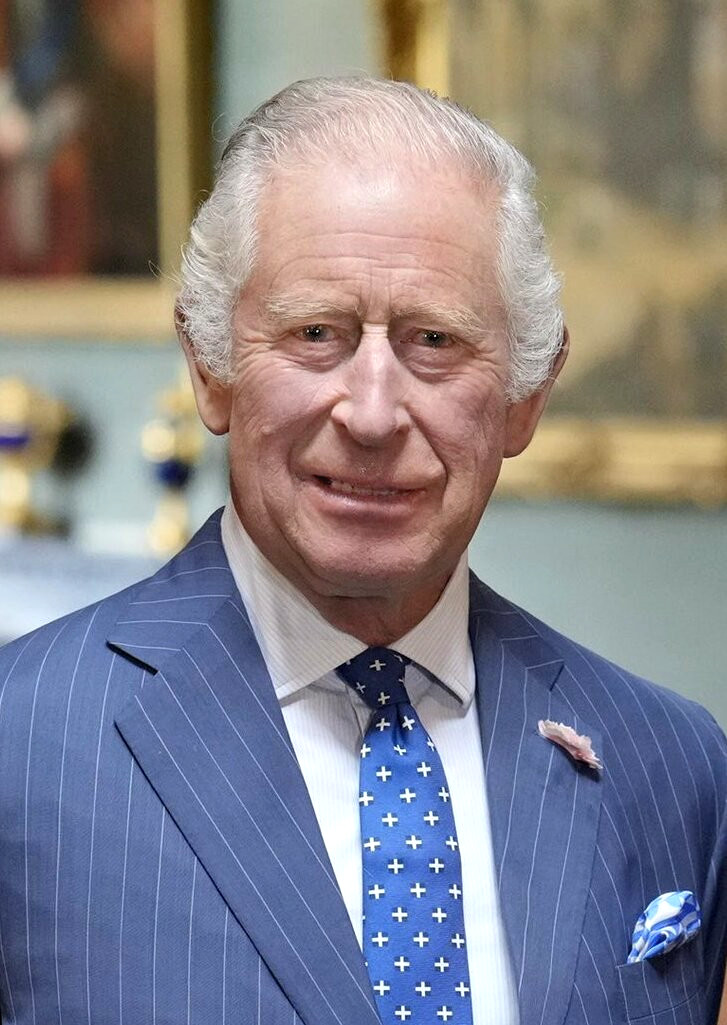
The royal plane touched down on the tarmac at Andrews Air Force Base in Maryland shortly after 2 p.m. local time on Monday, April 27, 2026. Upon disembarking, King Charles III and Queen Camilla were greeted by Vice President J.D. Vance, his wife Usha Vance, and Secretary of State Marco Rubio. This marks King Charles III's first state visit to the United States since his accession to the throne in September 2022 – and the stakes are far from merely ceremonial. Long desired by Buckingham Palace to commemorate the 250th anniversary of the signing of the Declaration of Independence, the visit takes place two days after an attempted attack at the Washington Hilton, amidst a heavy political and security atmosphere.
Four Days, Two States, One Congress
The official itinerary, released Sunday evening by Buckingham Palace and the White House, outlines four days of rare diplomatic intensity. Monday includes an official welcome at the White House by Donald Trump and Melania Trump, followed by a State Dinner in the State Dining Room. On Tuesday, April 28, King Charles III will deliver a historic address to a joint session of Congress – an honor previously extended to very few foreign monarchs. Wednesday, April 29, will see a trip to Williamsburg, Virginia, the colonial cradle of the American nation, and a visit to Capitol Hill focused on bilateral relations. Thursday, April 30, includes a stop in Boston for a conference on climate change, a topic of particular interest to the King.
A "Special Relationship" Under Strain
The political backdrop is significant. Since Donald Trump's return to the White House in January 2025, and especially since the outbreak of the US-Iran war in early spring 2026, relations between London and Washington have notably deteriorated. Labour Prime Minister Keir Starmer publicly refused to support the Strait of Hormuz blockade demanded by Donald Trump. Worse still: London co-chaired a conference on April 17 with Paris, bringing together thirty countries for a "purely defensive" mission in the Gulf – a format perceived by the White House as a betrayal of the Atlantic alliance. Within the Foreign Office, several voices were raised against the continuation of the royal visit, deeming it inopportune.
King Charles III, Unwitting Mediator
Amidst this diplomatic storm, the King plays the role of a silent intermediary. Donald Trump, who openly admires the British monarchy, personally insisted on the visit proceeding and announced an "exceptional" State Dinner. The unofficial objective of Buckingham's advisors is to decouple state diplomacy from the political climate: allowing institutions of both countries to continue cooperating (Five Eyes intelligence, banking, finance, technology) despite divergences over Iran. The Royal Family, with its symbolic stability, can serve as a channel for de-escalation where diplomatic channels are faltering. King Charles III, who was previously received by Trump at Windsor in September 2025, is a man of compromise – not out of conviction, but by function.
Exceptional Security Following April 25th
The shooting at the White House Correspondents' Association dinner on Saturday, April 25, has reshuffled all the cards. The US Secret Service and the British Royalty and Specialist Protection organized "exceptionally heightened" security measures throughout the weekend, according to palace statements. Crowd interactions, usually numerous during royal visits, have been minimized. Motorcade escorts have been doubled in personnel, and several access points to Capitol Hill were closed for Tuesday's joint session. At Buckingham, some voices suggested postponing the trip on Sunday; the decision was ultimately made to proceed, with the conviction that backing down would amount to succumbing to intimidation.
Editorial Opinion
King Charles III's visit to Washington is a balancing act that history will judge. On one hand, the King is providing a valuable symbolic endorsement to an American president isolated on the international stage – that of the oldest Western monarchy. On the other, the British government hopes this symbolic capital will allow for renewed momentum in a "special relationship" that has significantly cooled over Iran, trade, and defense. It is a risky gamble: Donald Trump could just as easily instrumentalize the event for his domestic political needs, without yielding on substantive issues. Conversely, King Charles III has demonstrated, at Windsor in September 2025 and through several climate interventions, that he knows how to exert influence without ever stepping outside his constitutional role. The sequence will therefore be a full-scale test of monarchical diplomacy in the 21st century. And incidentally, a test for the very concept of the "special relationship," eight decades old, which many in both London and Washington now deem obsolete.
Key Takeaways
- State visit of King Charles III and Camilla to the USA from April 27 to April 30, 2026 (4 days).
- First state visit by the British monarch across the Atlantic since his coronation.
- Historic address to a joint session of Congress scheduled for Tuesday, April 28.
- Tense context: Rift over Iran, shooting at the WHCA dinner on April 25.
- Itinerary: White House, Williamsburg (VA), Boston (climate conference).