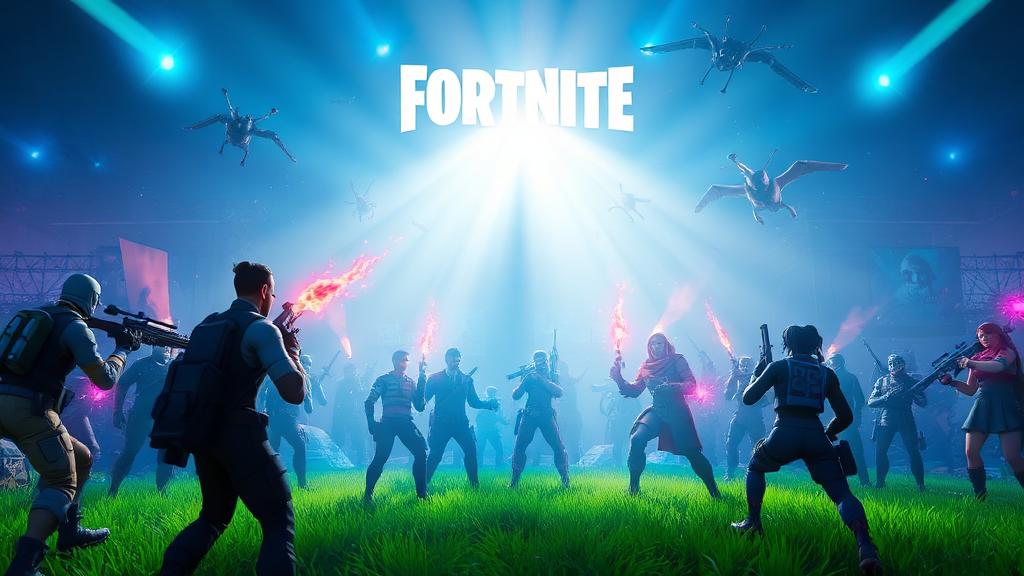

The video game industry is increasingly integrating generative AI for procedural content creation. Studios are using AI to generate terrain, textures, NPC dialogues, and adaptive quests. AI enables the creation of vaster and more varied worlds with smaller development teams.
Next-generation NPCs (non-player characters) are incorporating language models to offer more natural conversations and less predictable behaviors. Studios like Ubisoft (Ghostwriter) and Inworld AI are developing specific tools for dynamic dialogue in games. The technology remains emergent but is progressing rapidly.
The industry's business model is transforming. AI tools are reducing production costs for certain assets (textures, environments, voiceovers) while raising questions about the employment of 3D artists, scriptwriters, and voice actors – a topic that was at the heart of the SAG-AFTRA strike in 2023.
Esports continues to grow, with a global audience estimated at 540 million people in 2025 according to Newzoo. Competitions are gradually incorporating procedural elements to limit memorization and favor tactical adaptation.
The video game industry, worth approximately $187 billion in 2025 according to Newzoo, remains the leading global entertainment sector, ahead of cinema and music combined. Mobile platforms account for nearly half of the global revenue.
Cloud gaming (Xbox Cloud, GeForce NOW, PlayStation Portal) is progressing but has not yet replaced consoles and PCs. Network latency remains an obstacle, especially for competitive games, although advancements in 5G and edge computing are gradually improving the experience.