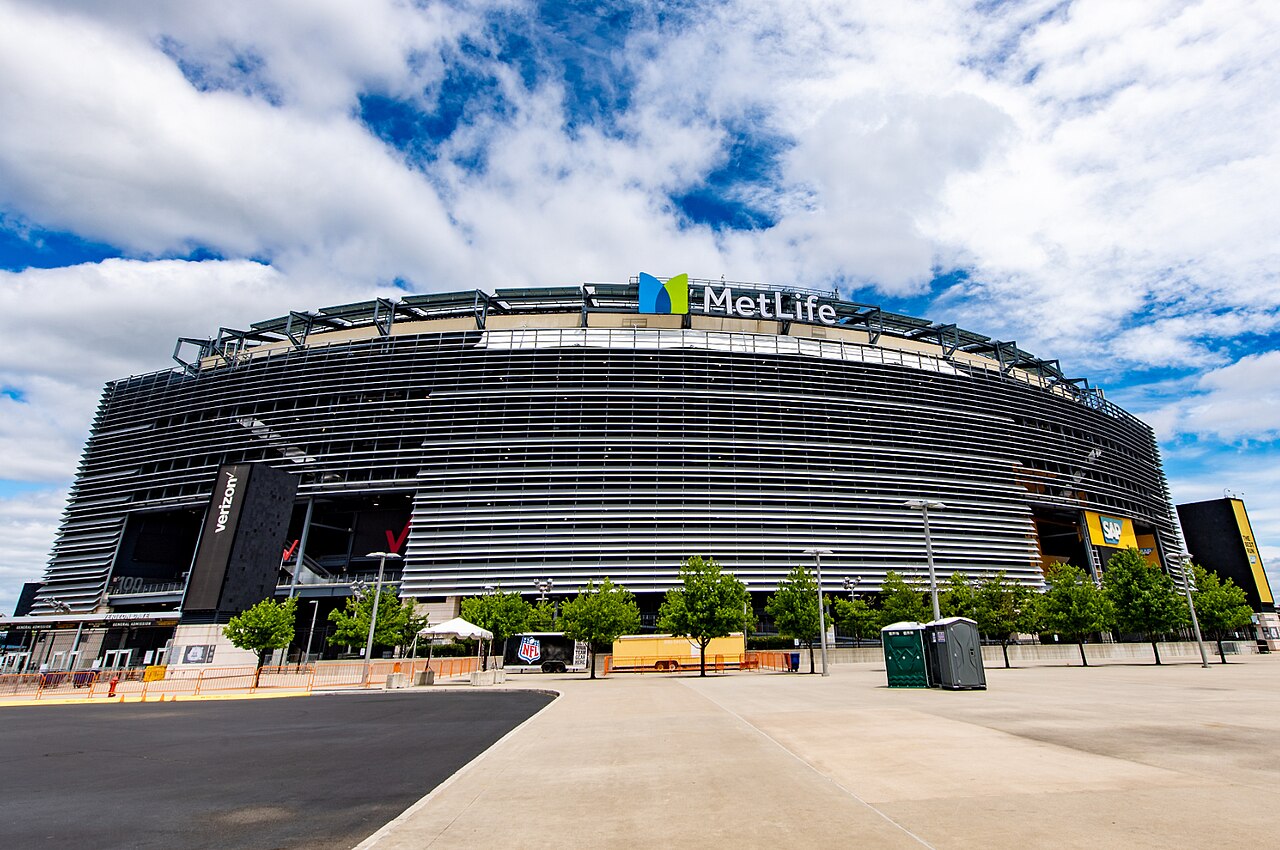

Two years before the 2028 Olympic and Paralympic Games, the LA28 organizing committee has made a distinctive strategic choice: to build no new permanent stadiums. According to Ouest-France, the facilities are mostly ready, with the city leveraging its existing sports infrastructure – SoFi Stadium, Los Angeles Memorial Coliseum, Crypto.com Arena (formerly Staples Center), and Dignity Health Sports Park.
This approach, praised by the IOC, aims to avoid the 'white elephant' syndrome – those costly Olympic facilities that fall into disuse after the Games. The projected budget of $6.9 billion is being financed without public funds, a unique model in recent Olympic history.
The main challenge remains transportation. Los Angeles, a city dependent on cars with a limited public transport network, is investing heavily in extending subway and bus lines. However, experts doubt the work will be completed in time for July 2028. The organization is also relying on autonomous shuttles and carpooling.
The Olympic Village will be located in the South Los Angeles area, with plans for conversion into affordable housing after the Games – a significant social commitment in a city facing an acute housing crisis, where the median home price exceeds one million dollars.
California's summer heat is a concern. With temperatures potentially exceeding 40°C in July, organizers are planning adapted event schedules (early morning and evening), misting stations, and shaded areas. Climate change adds a dimension of uncertainty to the planning.
The cultural program and the opening ceremony, the details of which remain confidential, are expected to be the most ambitious in Olympic history, in a city that is the global heart of the entertainment industry.