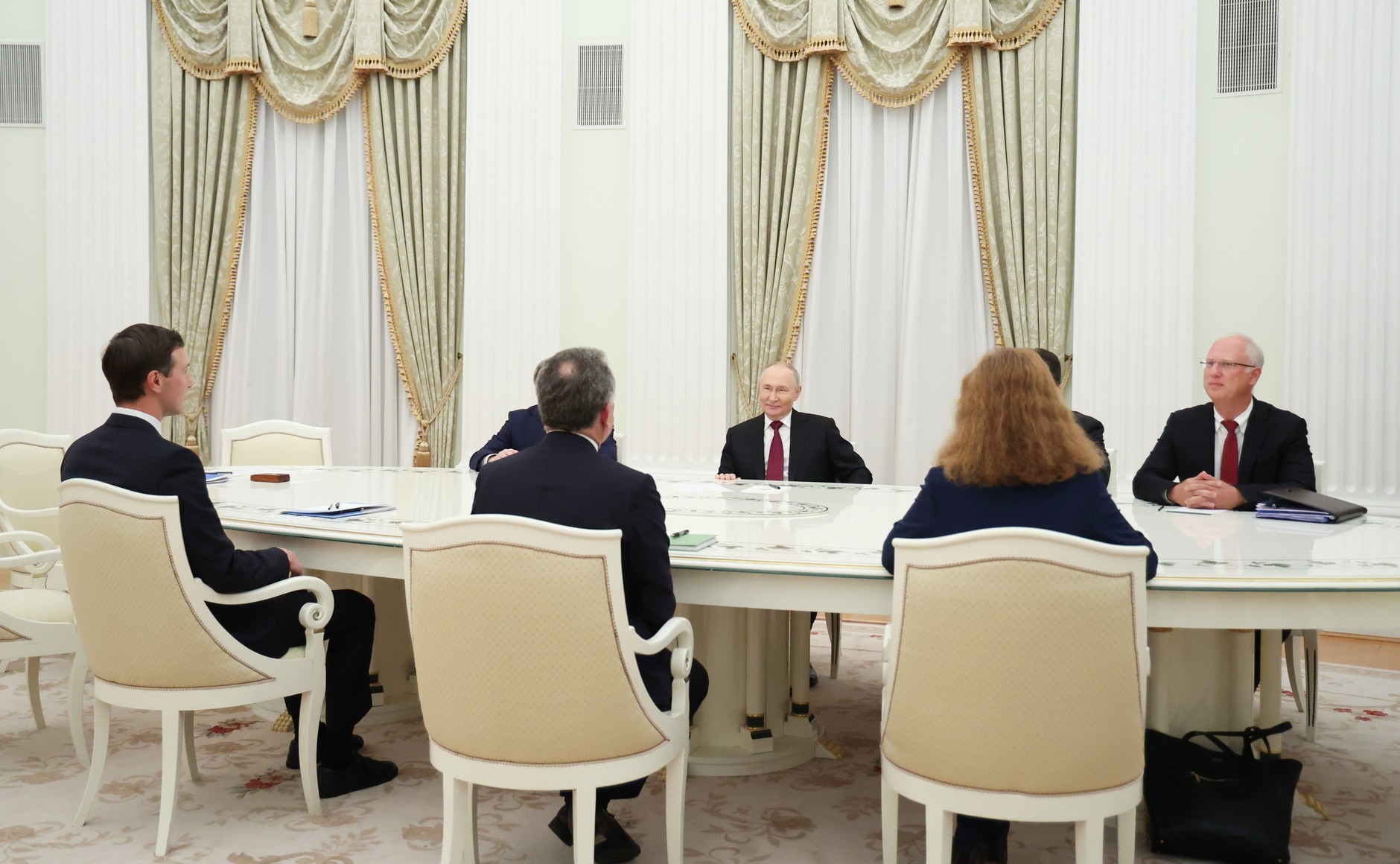
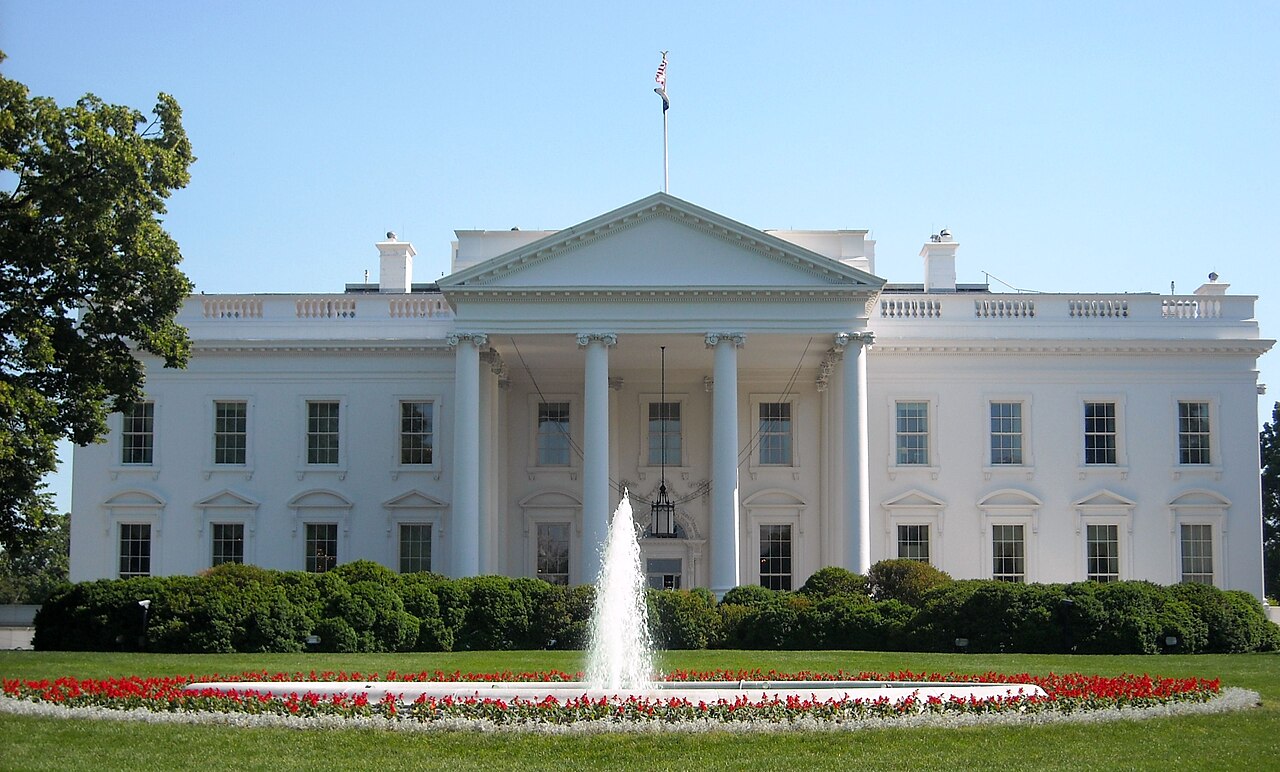
It was on the steps of the Oval Office, at 11:47 PM Washington time, that Donald Trump made his announcement on Thursday, April 23, 2026, before a handful of carefully selected journalists: "Israel and Lebanon have just agreed to a three-week extension of the truce. This is good. This is very good. And Lebanon will protect itself from Hezbollah." A few hours earlier, the US President had hosted the ambassadors of both countries, Yechiel Leiter for Israel and Nada Moawad for Lebanon, for the second time in fifteen days. The meticulously choreographed meeting lasted nearly two hours and marks a new stage in American mediation in the Middle East.
Truce Extended Until May 15, 2026
The new agreement now runs until May 15, 2026, inclusive. It extends the ceasefire that came into effect on April 17, following about ten days of particularly deadly clashes between the IDF and Hezbollah in southern Lebanon. The text, whose final version has not been made public, retains the main parameters of the previous one: gradual withdrawal of Israeli forces south of the Litani River, reinforced deployment of the Lebanese army and UNIFIL, freeze on Israeli strikes on South Beirut and the Bekaa Valley, suspension of all rocket or missile fire from Lebanese soil. A specific "red line" has been added at the US's request: no delivery of Iranian weapons by land via Syria, under penalty of immediate lifting of the truce.
Hezbollah Defiant: "A Meaningless Truce"
Hezbollah's reaction came less than two hours after Donald Trump's announcement. In a statement read on Al-Manar, the party's television channel, spokesperson Mohammad Afif called the agreement a "truce without substance, meaningless, and signed without us." The militia recalled that it "was not a party to the negotiations" and that it "reserves the right to respond to any Israeli violation." A few hours later, two rockets were fired from southern Lebanon towards the Galilee—causing no casualties, but enough to demonstrate that Hezbollah, despite its military setbacks in recent months, retains a capacity for disruption. The IDF retaliated with targeted strikes on three positions south of the Litani.
Beirut in Unstable Balance
In Beirut, President Joseph Aoun and Prime Minister Nawaf Salam hailed "an indispensable respite" that "gives the Lebanese state the necessary time to regain exclusive control of armed force throughout the territory." This carefully worded statement directly targets Hezbollah without naming it. According to European diplomatic sources, the Lebanese army has already deployed nearly 8,000 additional soldiers between Tyre and the Litani since early April, partly funded by a French emergency package of 320 million euros announced on April 14. Prime Minister Sébastien Lecornu, speaking on Thursday evening during the national tribute to French soldier Adrien Pelletier, killed the previous week in Lebanon, hailed "a fragile but real signal of hope."
The Iranian Background
The Lebanese-Israeli truce is inseparable from the Iranian issue. Donald Trump himself made the explicit link on Thursday evening: "I am ready to wait for the best deal with Iran. Time is on our side." Since the naval blockade imposed on Iranian ports in early April, Tehran's oil exports have fallen by more than 90%, the rial is collapsing, and protests are beginning to erupt on the streets due to the rising cost of living. The US President is now betting on economic strangulation to bring Tehran to sign a "historic" nuclear agreement, much more restrictive than the 2015 JCPOA. Hezbollah, now deprived of the Islamic Republic's air cover, has only the choice between underground resilience and political marginalization.
Editorial Opinion
The extension announced at the White House is less a peace agreement than a temporary suspension of the conflict. Three weeks is neither enough to rebuild a sovereign Lebanese state, nor too little to allow American diplomacy to impose its conditions on Tehran. Donald Trump skillfully plays on this timeline: he transforms an absence of confrontation into a personal victory and capitalizes on Hezbollah's relative silence, whose rhetorical response barely masks its material exhaustion. But the window is narrow. If the truce were to collapse due to the lack of a political agreement with Iran, Lebanon would plunge back into war—and this time, without any buffer. The real question now is that of Hezbollah's effective disarmament south of the Litani: until it is verifiably achieved, every truce will merely be a step on the slope towards a conflict that Beirut has not chosen.
Key Takeaways
- Israel-Lebanon truce extended by 3 weeks, until May 15, 2026.
- Agreement reached at the White House, with ambassadors Yechiel Leiter (Israel) and Nada Moawad (Lebanon) received by Trump.
- Hezbollah calls the truce "meaningless"; two rockets fired from southern Lebanon.
- Lebanese army reinforced with 8,000 soldiers south of the Litani since early April.
- Trump links the truce to maximum pressure on Iran (naval blockade, 90% drop in oil exports).