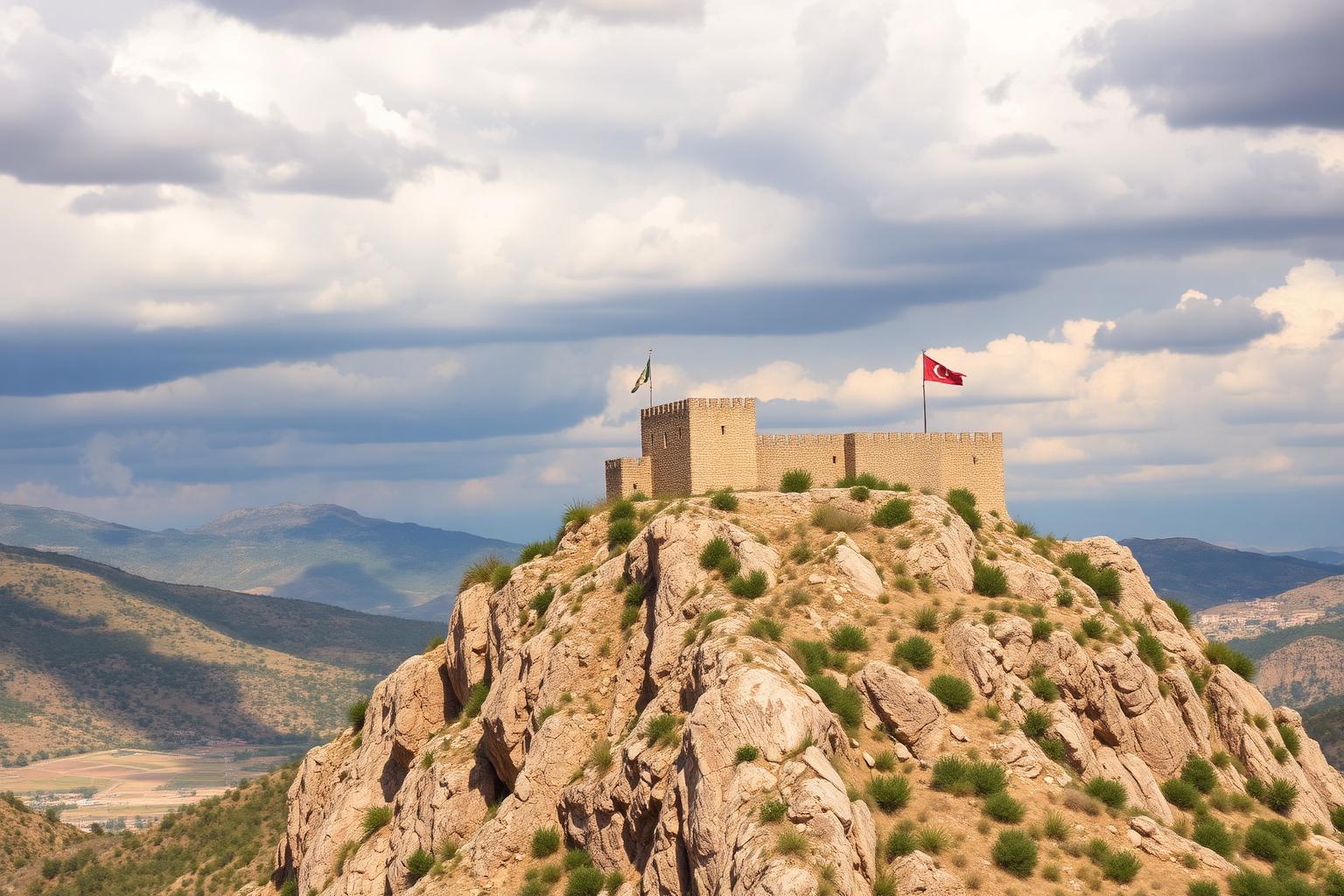
Images from AFP broadcast Sunday morning showed the Israeli flag flying over the ramparts of Beaufort Castle, a medieval fortress perched in the heights of southern Lebanon, while thick smoke rose from the surroundings under artillery fire. The site is now under the control of the IDF for the second time in its modern history, twenty-six years after the Israeli withdrawal from South Lebanon.
"Decisive turning point" for Netanyahu
The Israeli Prime Minister Benjamin Netanyahu described this capture as a "decisive turning point" in the offensive against Hezbollah, ordering the army to "deepen and expand" its control over positions held by the pro-Iranian militia. For Defense Minister Israel Katz, it is the symbolic return of Israeli soldiers to the summit of a place they had left in 2000, after two decades of occupation of southern Lebanon. "Forty-four years after the heroic battle of Beaufort," he declared, "our soldiers have once again raised the flag of Israel".
France refers the matter to the UN
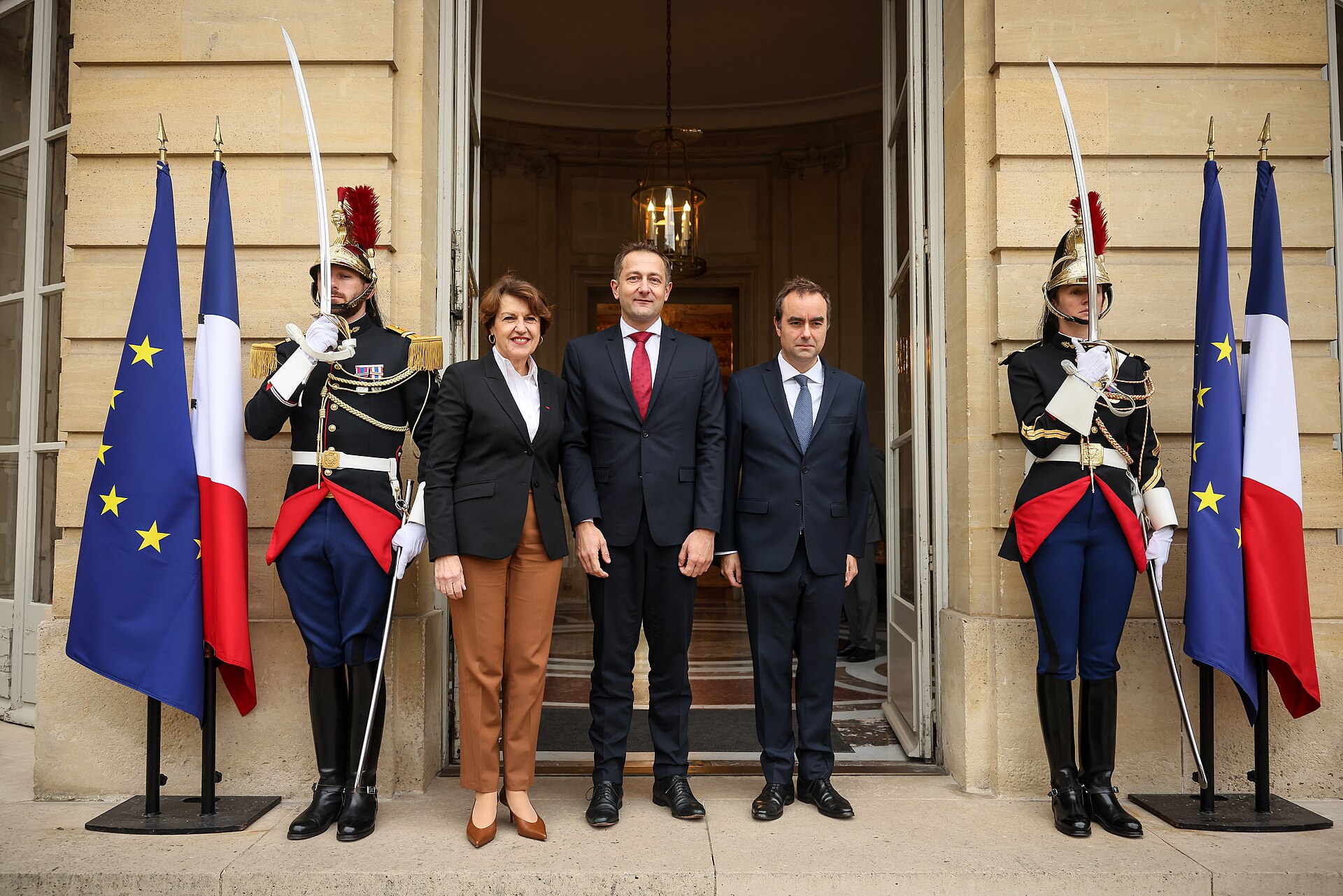
The French reaction was swift. Foreign Minister Jean-Noël Barrot immediately requested the convening of an emergency meeting of the UN Security Council, stating that "nothing can justify the prolongation of Israeli military operations in Lebanon and its increasingly deep occupation of Lebanese territory". Paris, which has contingents within UNIFIL in the country, is particularly vigilant about any extension of the conflict.
A ceasefire stripped of its substance
This offensive comes in a context of extreme regional tensions. A temporary ceasefire was concluded in April 2026 under the auspices of the United States, but it now seems to have been stripped of its substance. The international community is observing with growing concern a dynamic that pushes the boundaries of what is acceptable further away each week.
Editorial opinion
The capture of Beaufort has not only military value: it has political significance. Israel is saying, through the flags it plants, that it will no longer wait for a regional agreement to redraw its northern border. This is understandable from a security perspective – but it is the gamble of a total victory in a region where no army has ever achieved total victory. The French referral to the UN is useful, provided it leads to political mediation, not another statement.
To remember
- The IDF takes Beaufort Castle, southern Lebanon, Sunday, May 31, 2026; Israeli flag raised.
- Netanyahu speaks of a "decisive turning point"; Katz refers to the 44 years since the 1982 battle.
- Jean-Noël Barrot calls for an emergency meeting of the UN Security Council.
- The April 2026 ceasefire, sponsored by Washington, is de facto suspended.
- France maintains contingents in UNIFIL in South Lebanon.