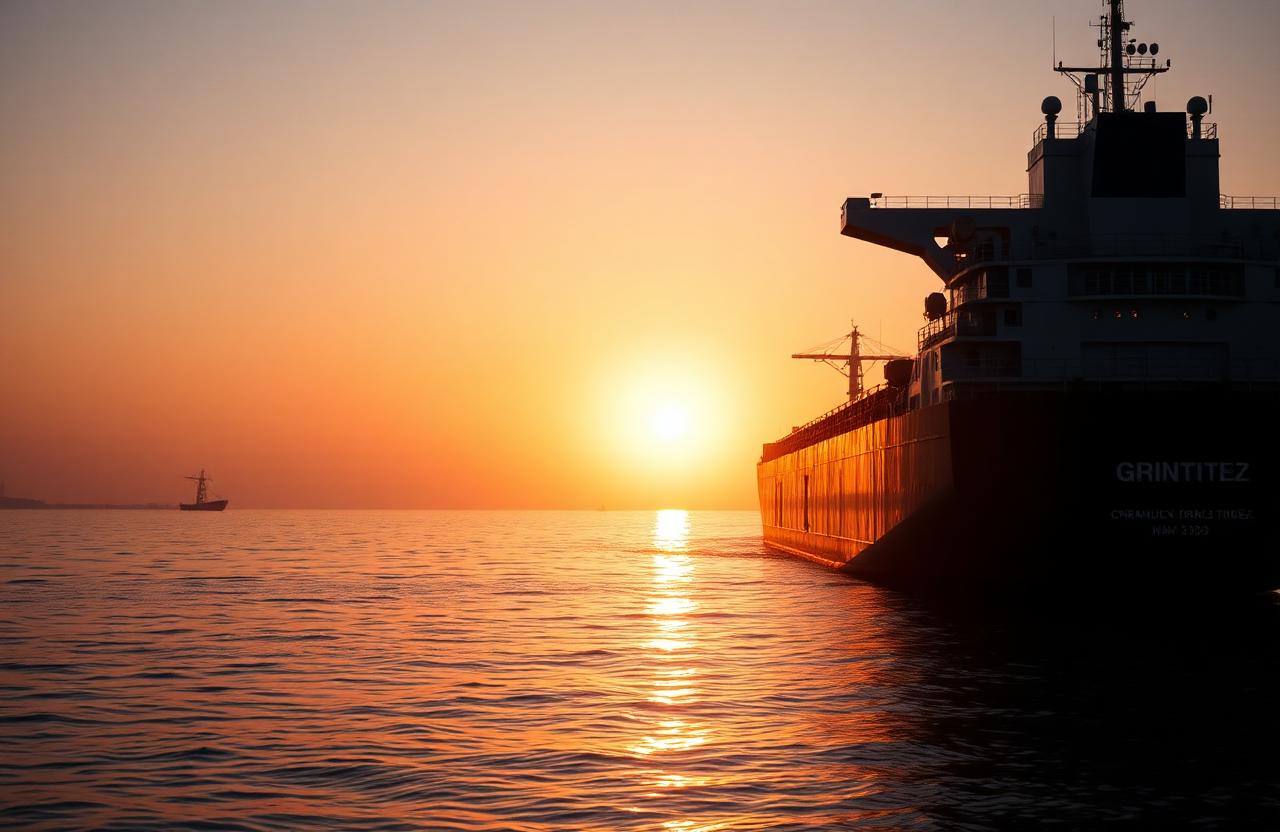
The period of calm was short-lived. The day after the Franco-British conference in Paris, Iran announced this Saturday, April 18th, 2026, that the Strait of Hormuz "has returned to its previous state" – in other words, is once again closed to commercial navigation. This information, reported simultaneously by the Associated Press, NPR, Bloomberg, and the Daily Mail, marks a new escalation in the standoff between Tehran and Washington since the military episode in March between the United States, Israel, and Iran.
Shots Fired at Merchant Ships
According to the Associated Press, the Islamic Revolutionary Guard Corps (IRGC) opened fire Saturday morning on several ships attempting to transit the passage. Bloomberg also reports that Greek and Indian oil tankers turned back before entering the strait, amid total uncertainty regarding the continuation of the opening announced by Tehran the previous day. International shipowners are suspending their transits awaiting clarification, which effectively paralyzes the world's main oil artery, through which nearly one-fifth of the planet's crude oil consumption still passes.
Trump Threatens to Resume Strikes
In a press statement made aboard Air Force One on Friday evening, cited by NPR, U.S. President Donald Trump confirmed that he is maintaining his blockade on Iranian ports and explicitly mentioned the possibility of resuming the bombing campaign if Tehran does not sign the peace agreement negotiated under Qatari mediation. "We are very close to a deal - or very close to war," he summarized, according to remarks reported by the Daily Mail. This calculated ambiguity maintains diplomatic pressure without engaging Washington in immediate military escalation.
Oil Markets Shaken Again
After a spectacular drop on Friday – hailed by The Independent as a "return to calm" for the barrel, which had fallen back below $75 – early indications on Saturday morning suggest a new shock at the opening of the Asian markets on Monday. Reuters, in its analysis published Thursday, had already emphasized that the U.S. Federal Reserve would have to revise its interest rate cut scenario as crude prices stabilized; this new closure now reshuffles all the cards. Analysts interviewed by Bloomberg estimate that a prolonged closure could push the barrel beyond $110 from Monday's trading session.
European Diplomacy Weakened
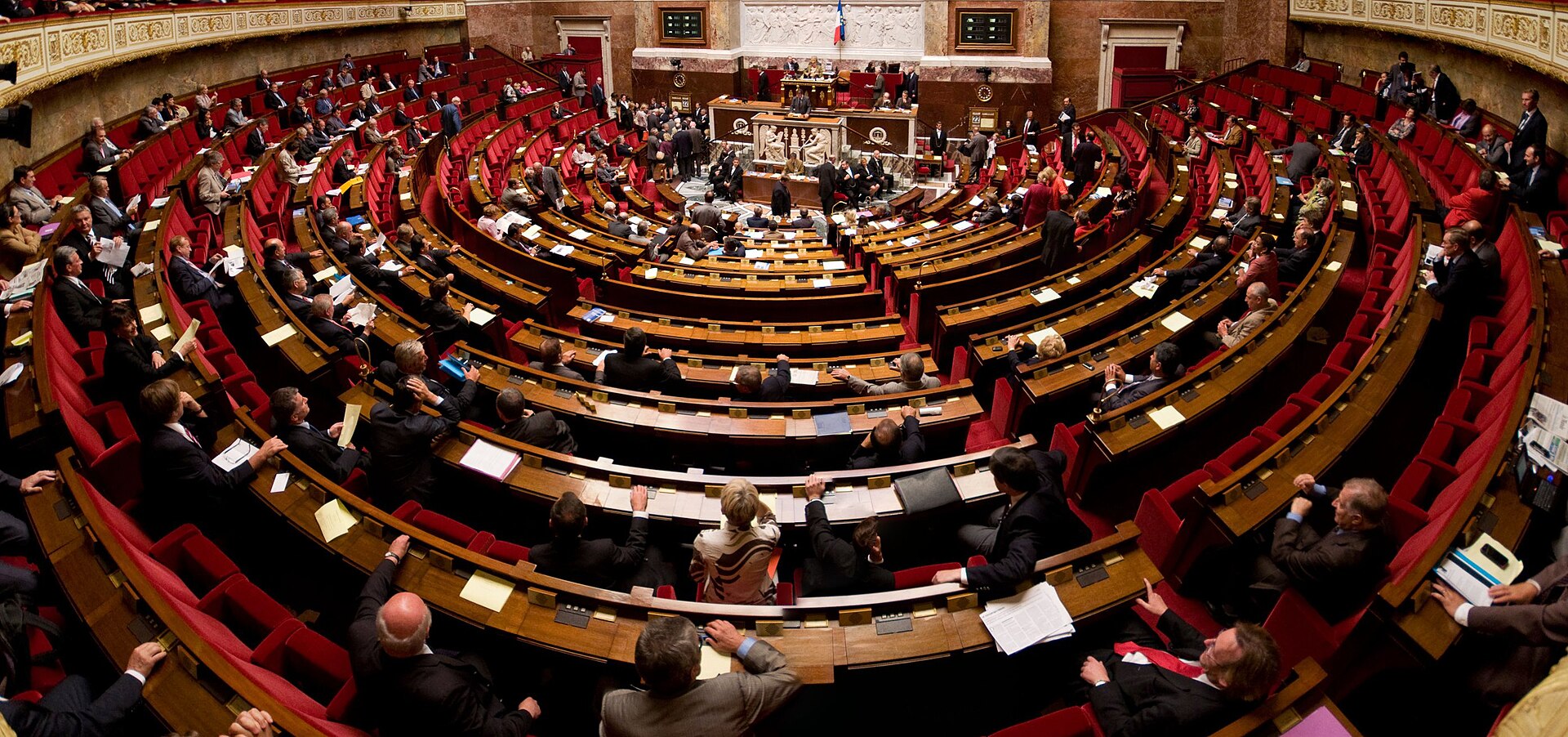
The defensive initiative launched the previous day by Emmanuel Macron and Keir Starmer, bringing together some thirty countries, sees its scope immediately tested. The French presidency, contacted by the agencies, indicated on Saturday that it was "following the situation hour by hour." For Brussels and London, the difficulty is twofold: demonstrating that the chosen defensive posture is not an admission of powerlessness, while avoiding appearing aligned with an American strategy that many European states deem excessively coercive towards Tehran.
Editorial Opinion
The sequence of the last forty-eight hours starkly illustrates the nature of the Iranian dossier: every opening is followed by a closure, every promise of appeasement is denied the next day. Tehran is playing for time, hoping that a new surge in oil prices will politically weaken Donald Trump a year before the U.S. mid-term elections. But this calculation is risky: Washington's patience has limits, and the military option, already tested in March, remains on the table. In the short term, European economies will be the first exposed to the next wave of energy inflation.
Key Takeaways
- On Saturday, April 18th, 2026, Iran announces that the Strait of Hormuz "has returned to its previous state."
- The Revolutionary Guard opens fire on ships attempting to pass.
- Bloomberg reports that Greek and Indian tankers turned back before the strait.
- Donald Trump threatens to resume bombing if no agreement is reached.
- Analysts anticipate the barrel exceeding $110 from Monday's session.